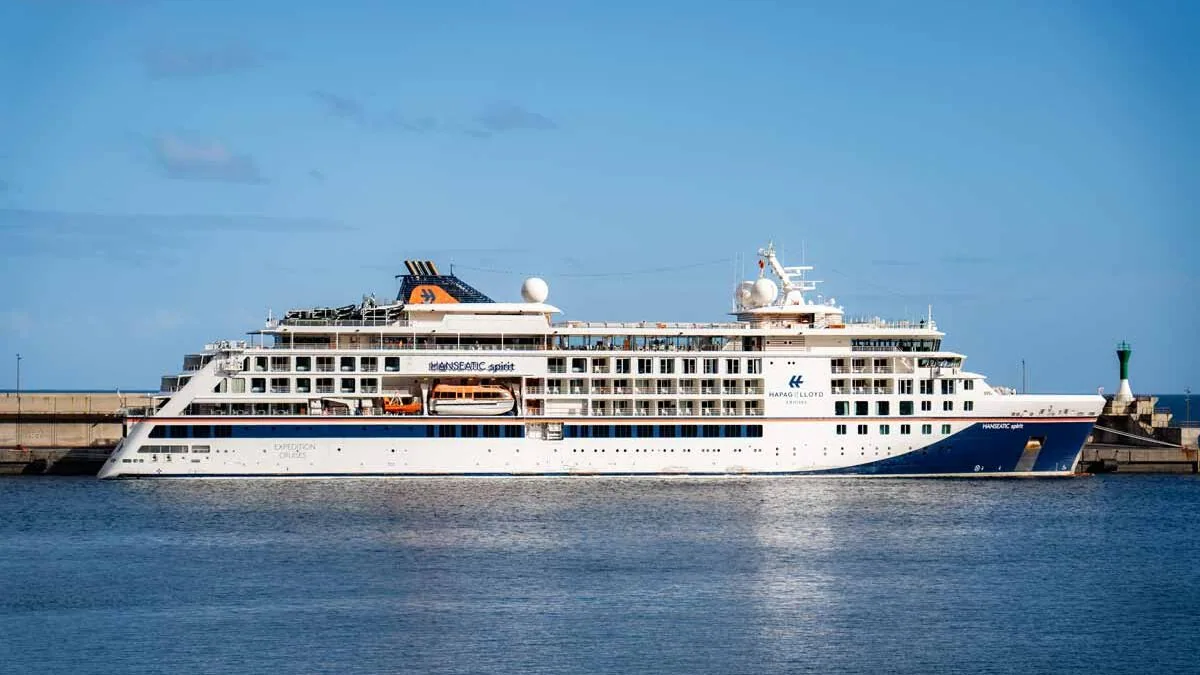
From 20 October to 1 November 2023, I travelled around the Canary Islands and Cape Verde as the on-board photographer on Hanseatic Spirit with Hapag-Lloyd Expedition Cruises. If you do not know me yet: my name is Christian Rothe, and I work as a freelance photographer and videographer in the travel and tourism industry. Hapag-Lloyd Cruises has a reputation as the world's best cruise line; all its ships have received five stars in the Berlitz Awards. In this travel report, I will tell you why Cape Verde is a real hidden gem, which island is my favourite and what my responsibilities on board involved.
Contents
Incidentally, I took all the photographs in this article myself, of course.
Canary Islands
Cape Verde Islands
Itinerary
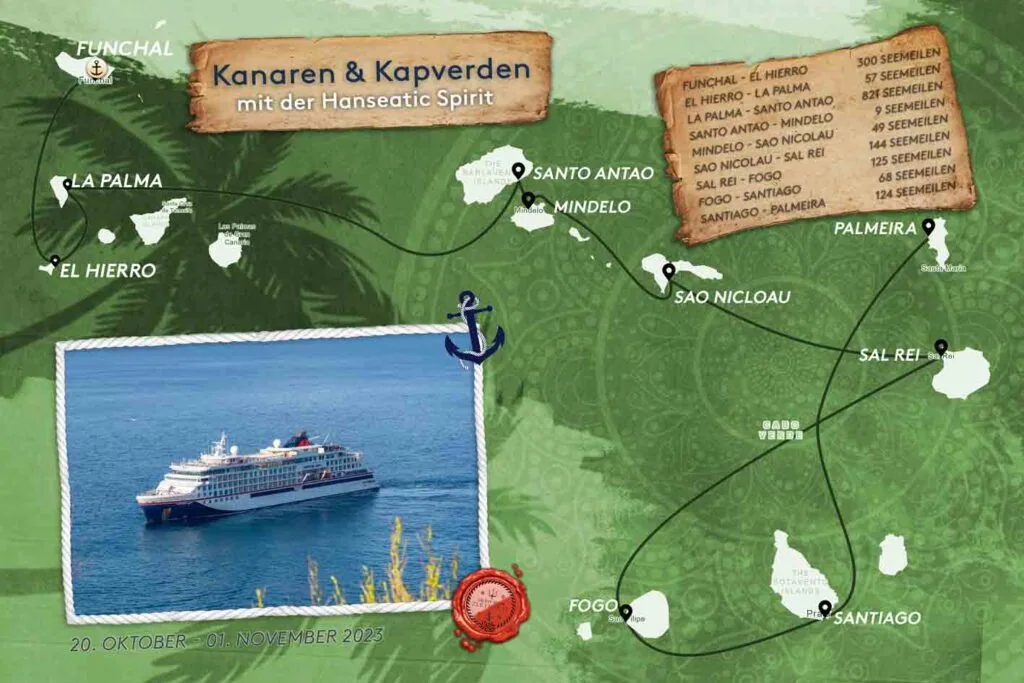
At the start of every voyage aboard Hapag-Lloyd's expedition ships, one of my tasks is to create a nautical chart of the journey. It has a fixed standard size of 20 × 30 cm, so the route sometimes requires a little creativity. The Canary Islands are not west of Cape Verde, of course, but this is more about the overall itinerary and the order of stops than geographical accuracy.
Funchal, Madeira / 20 October 2023
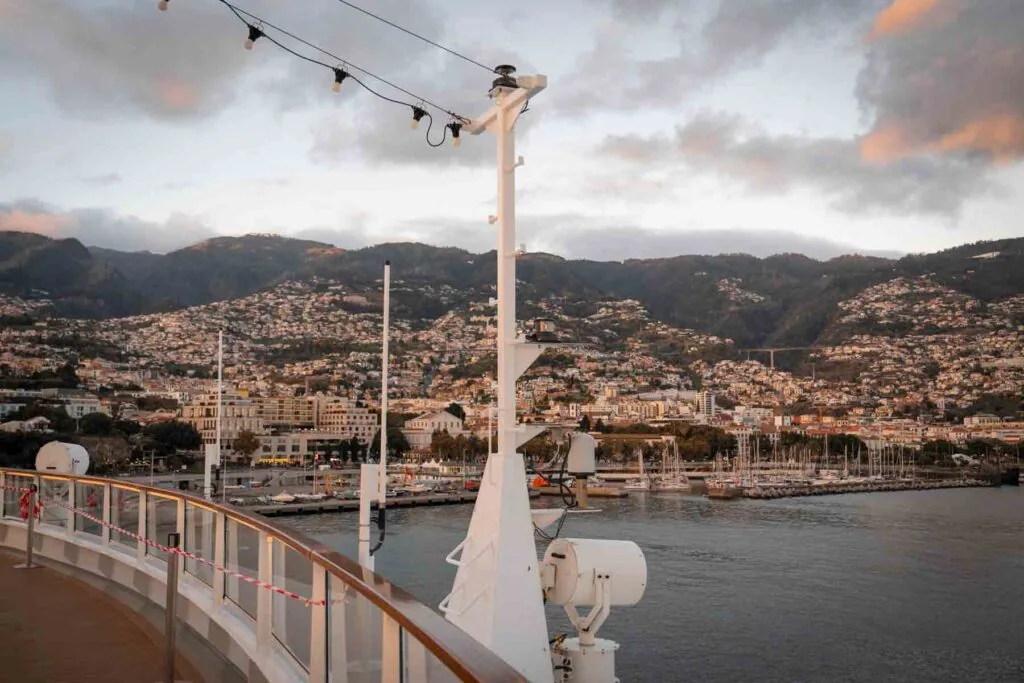
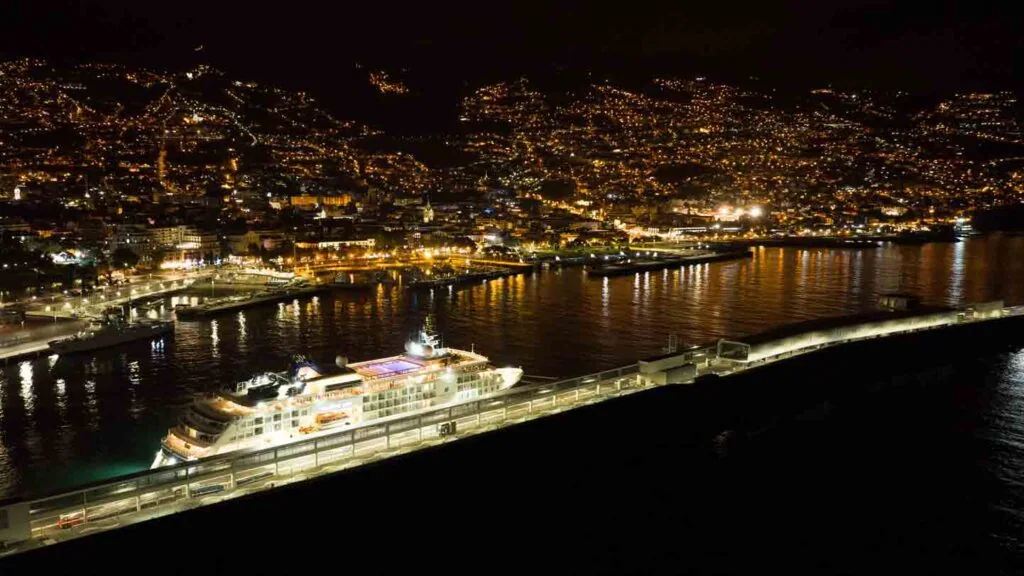
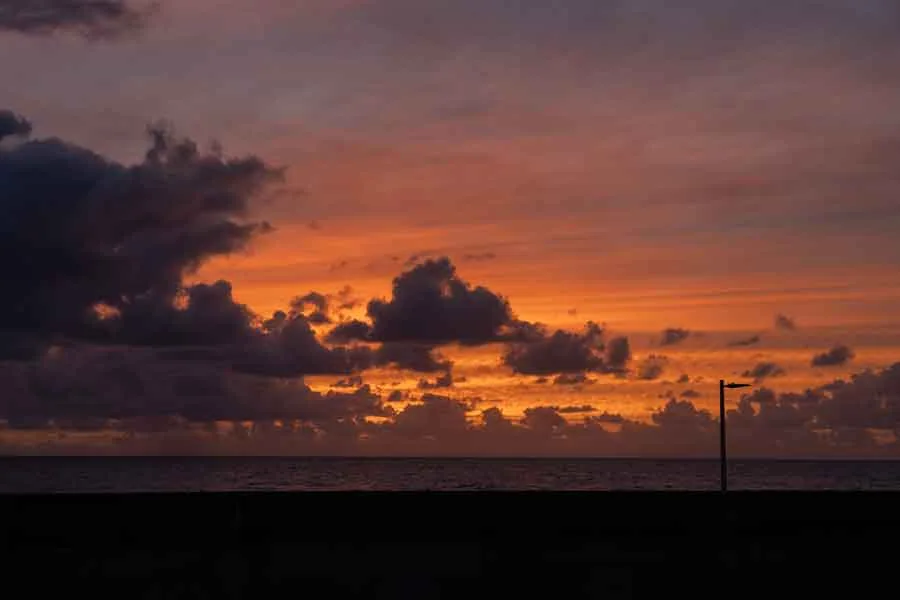
My travel report begins in Funchal, the capital of Madeira. As I only arrived today, there was unfortunately not much daylight left when I reached Hanseatic Spirit. I did just manage to catch the sunset before the lights of the city began to glow.
Early the next morning, it was time to set sail, heading for El Hierro.
El Hierro, Canary Islands / 22 October 2023
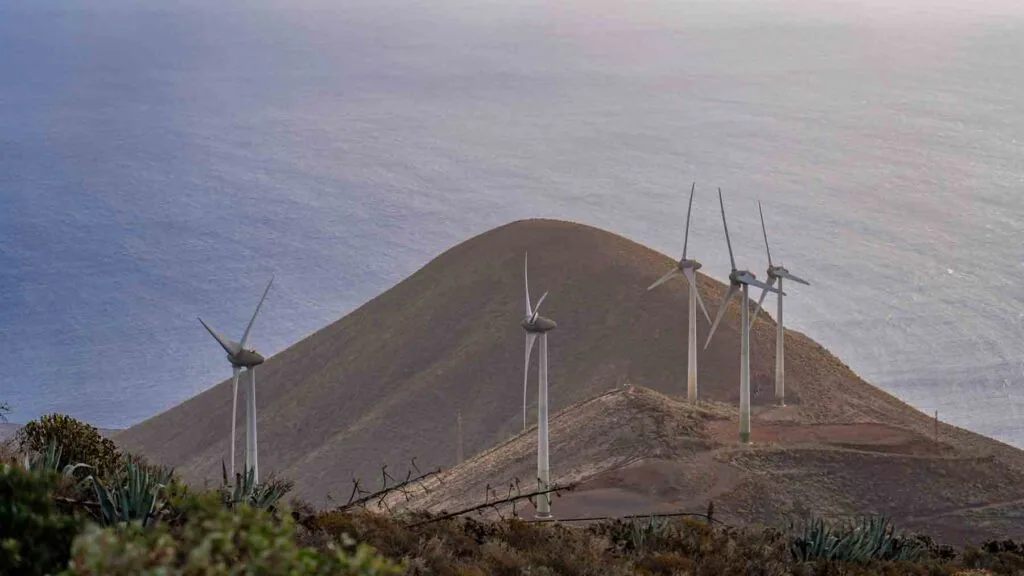
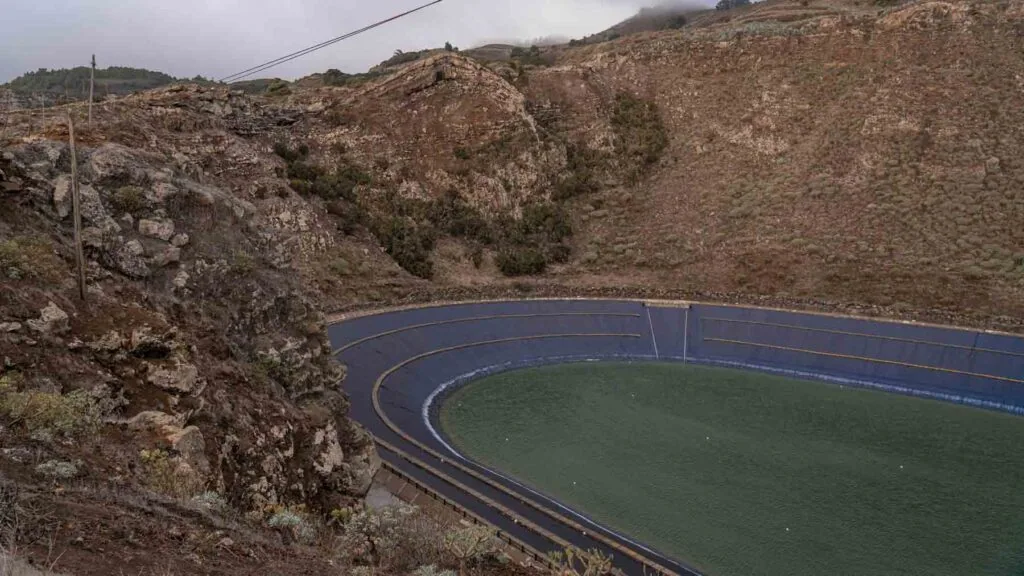
Today, on the island of El Hierro, we set off on our first excursion: “The Wild Natural Beauty of El Hierro”, as it is affectionately called. Our first photo stop is the Mirador la Gorona del Viento viewpoint. Energy production is always an important subject in the Canary Islands, including here. El Hierro is a pioneer in sustainable, independent energy production. On average, 60% of its electricity already comes from sustainable sources, with diesel generators making up any shortfall. This was recognised by the EU-funded RESponsible project in 2021. A water reservoir at a higher elevation, visible from here, plays an important role. When the wind is strong enough to generate excess electricity, the island uses it to pump seawater into the mountains. On windless days, the water flows back down through a hydroelectric power station, generating electricity in the process.
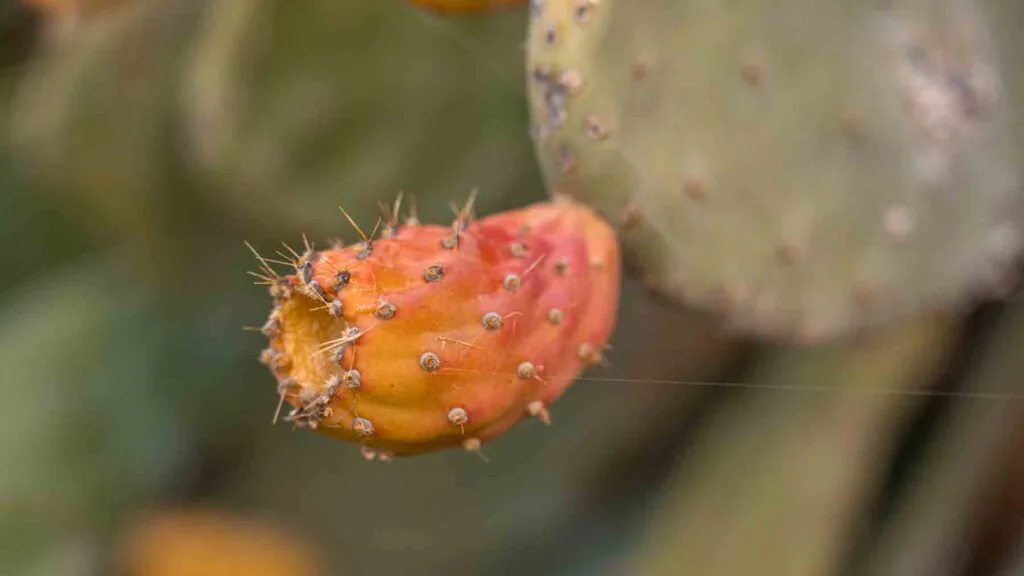
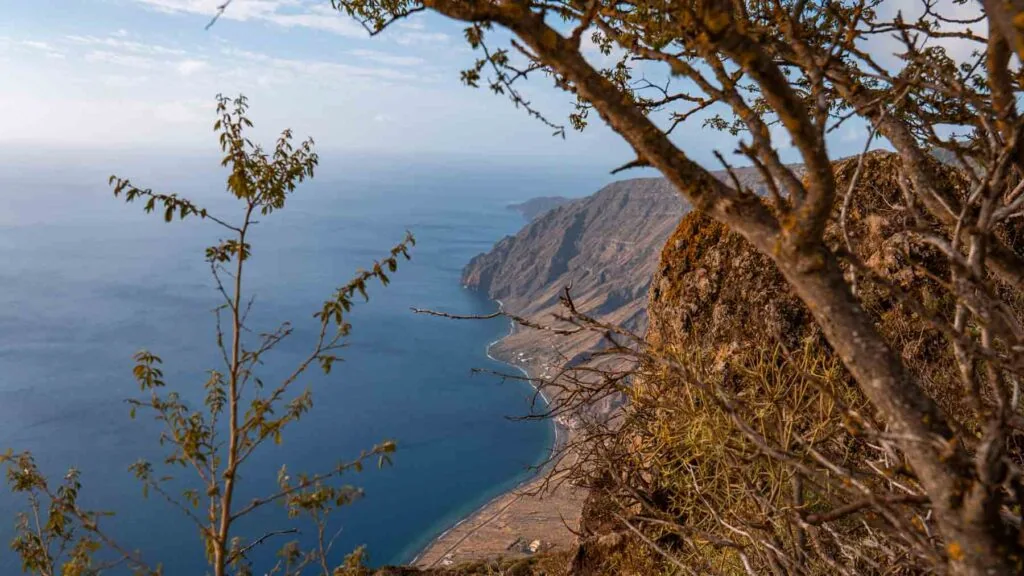
At the next viewpoint, we see native plants alongside the enormous coastal cliffs. One example is the prickly pear cactus. Found in sun-drenched, dry landscapes, it is striking for its colourful appearance and sweet-tasting fruit.
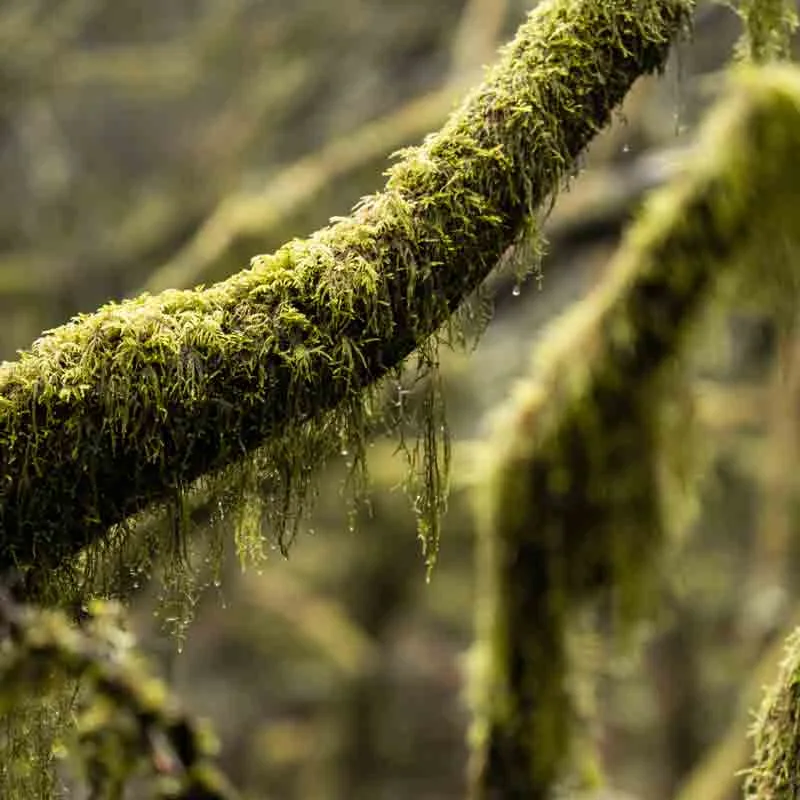
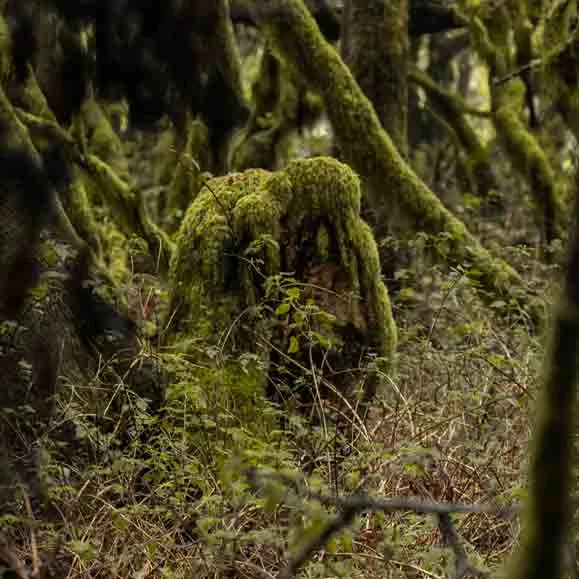
We then head up to the island's highest point. The dense, damp forests here, also known as laurisilva or laurel forests, are remnants of the subtropical forests that once covered large parts of southern Europe and North Africa. These mist-shrouded forests, found in the higher and wetter parts of the Canary Islands, are known for their rich biodiversity and numerous endemic plant and animal species. They form a unique ecosystem shaped by the moist trade winds and provide a vital refuge for the islands' flora and fauna.
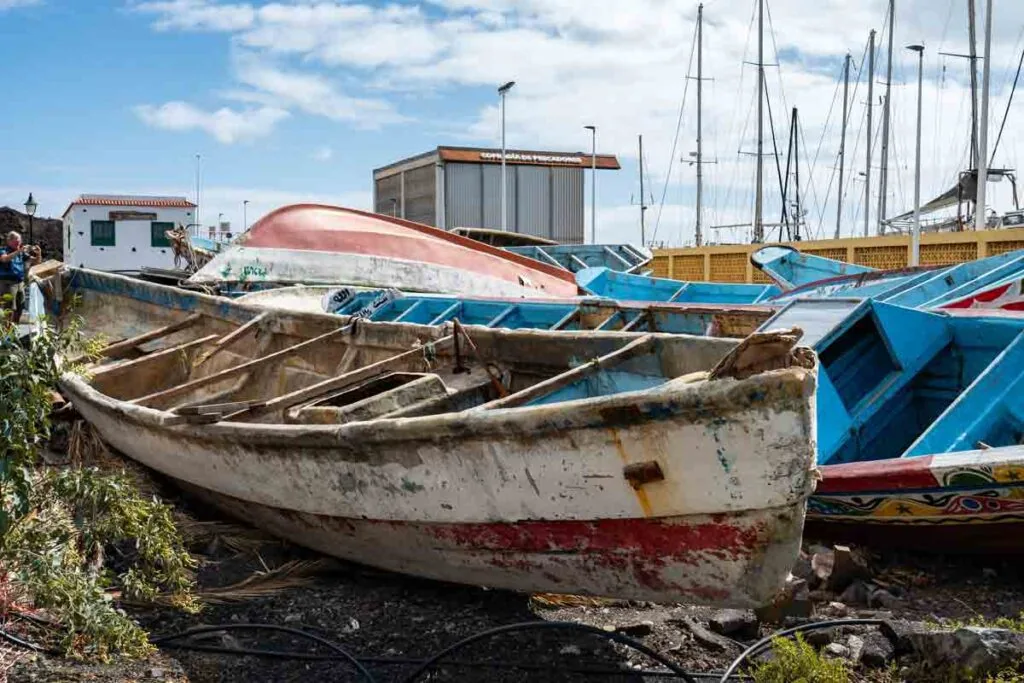
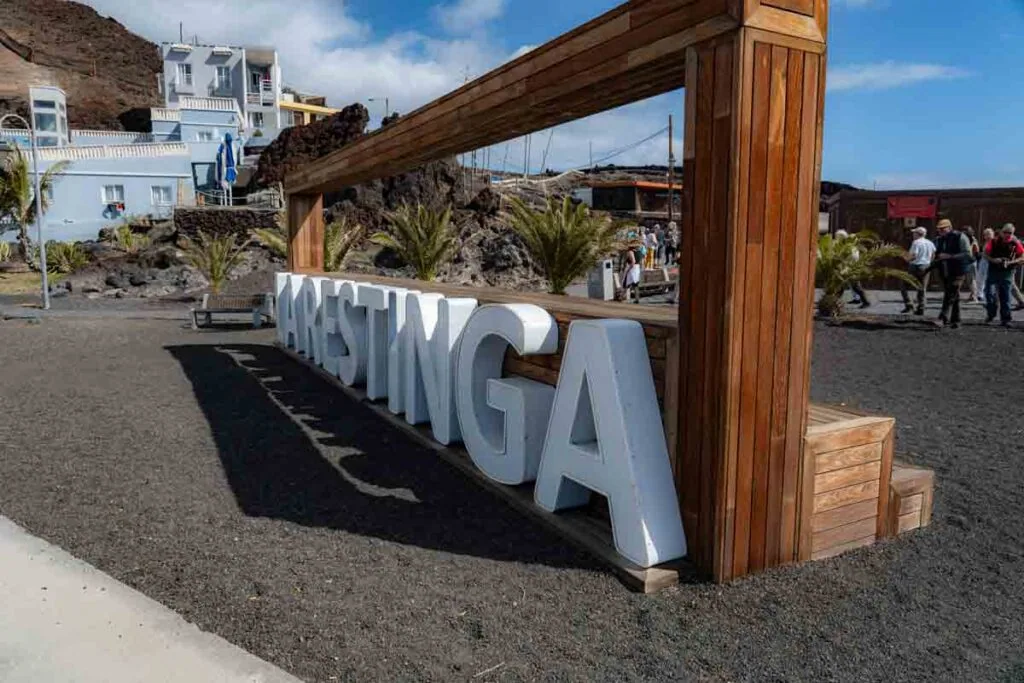
Next, the bus takes us to Restinga. In the harbour of La Restinga, we find boats used by refugees; more than 300 people arrived here only yesterday. The trade winds play an important role in migration across the Atlantic to the Canary Islands. Blowing steadily from the north-east, they can affect the passage of boats departing from the West African coast. The problem is that if strong winds carry the boats just a few kilometres past the Canary Islands, it means certain death: the next land would be South America, an impossible crossing in such a boat.
Hidden in El Hierro's landscape is Mirador de la Peña, a real insider tip. Designed by the visionary artist César Manrique, the café offers a breathtaking panorama over the El Golfo valley. Nature and coffee lovers could easily spend an entire afternoon here. We stop for our lunch break.
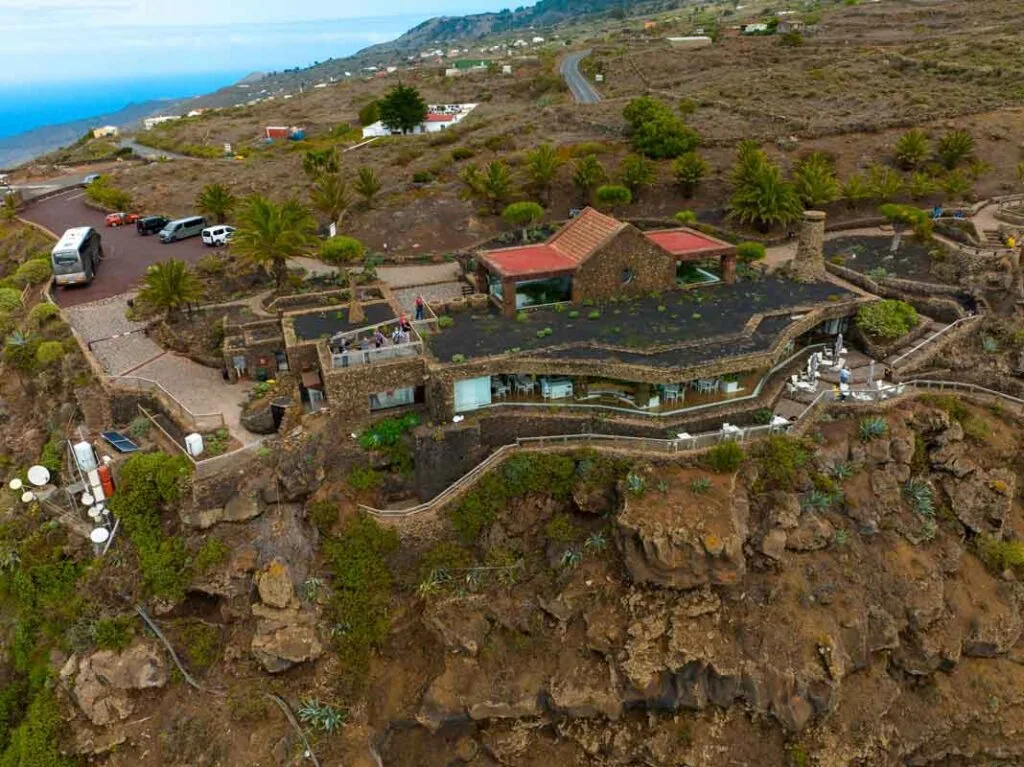
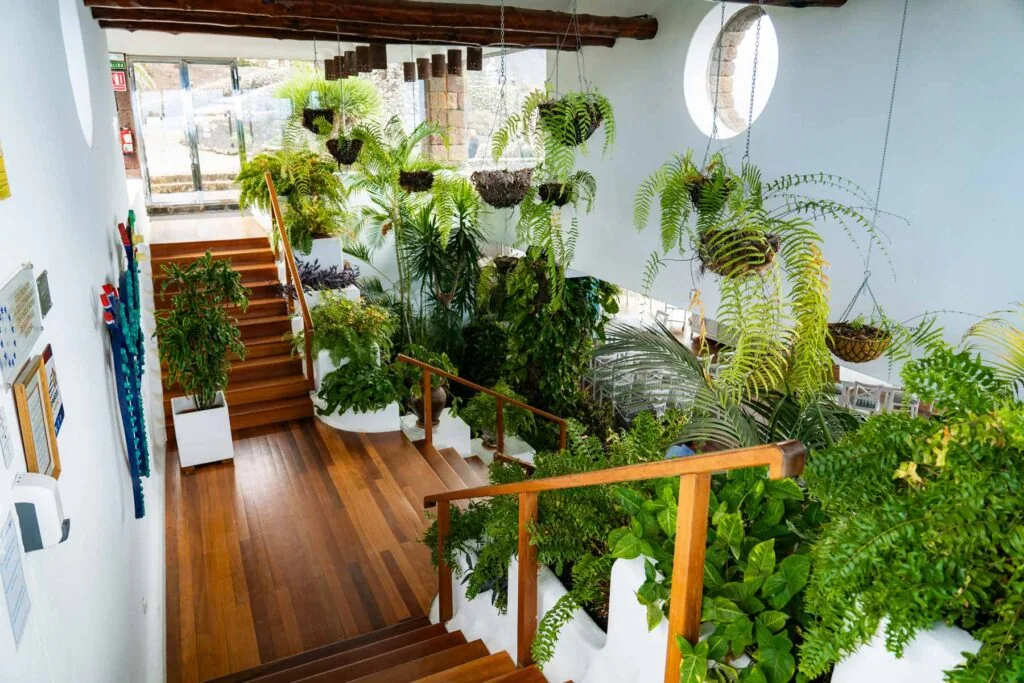
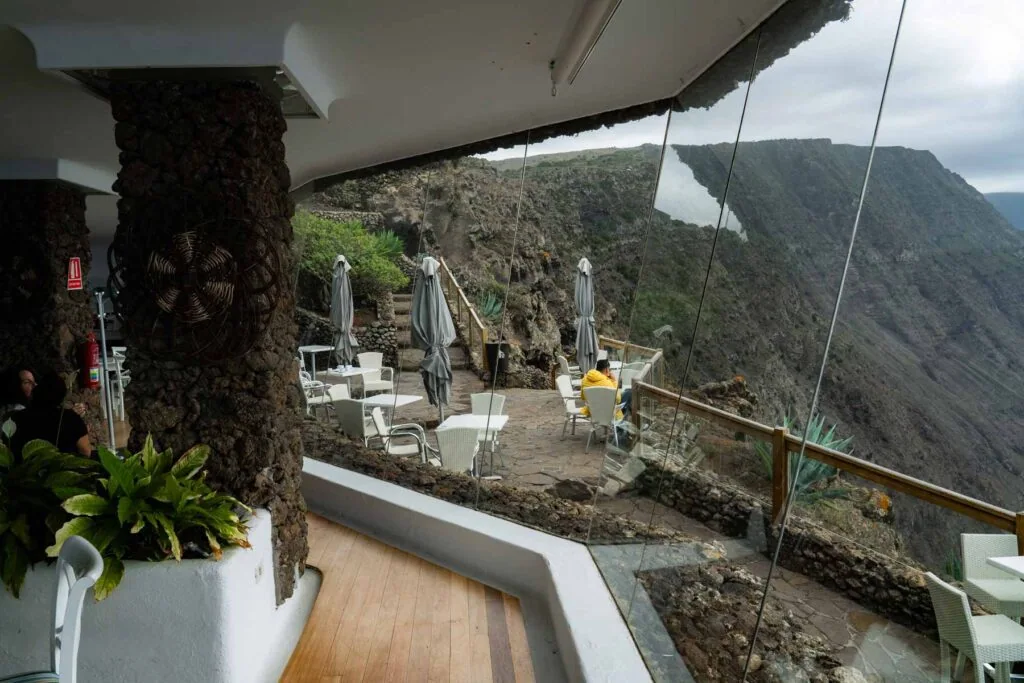
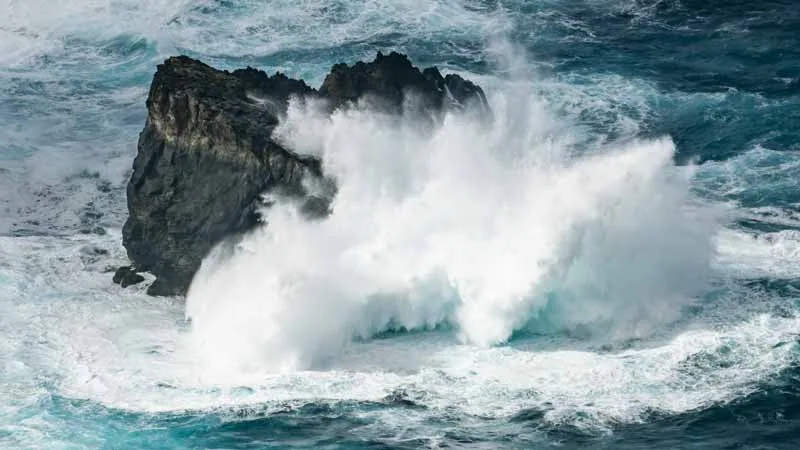
From here, we can also see the Roques de Salmor, a natural monument where the waves crash endlessly against the rocks.
Then it is back to Hanseatic Spirit.
Santa Cruz de la Palma, Canary Islands / 23 October 2023
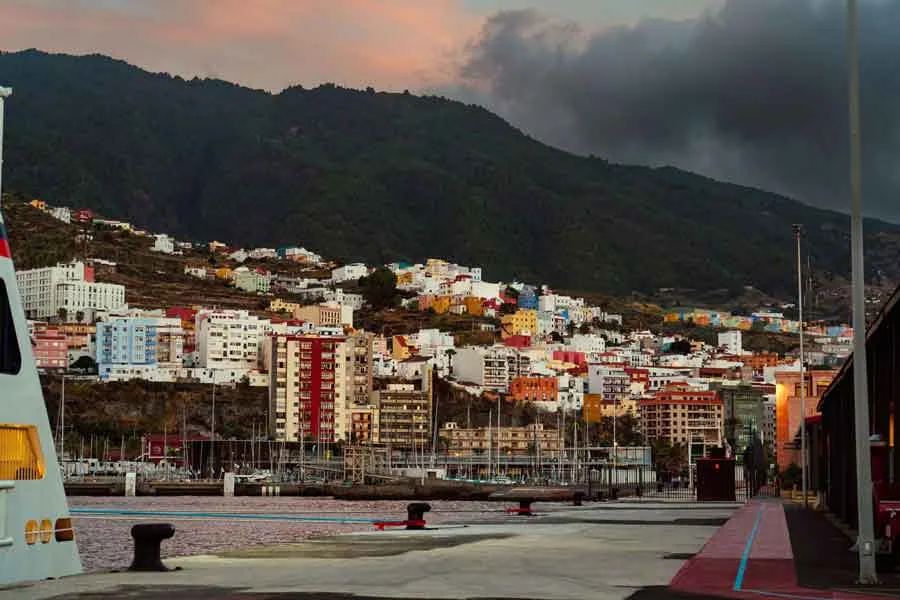
Early in the morning, Hanseatic Spirit reaches the pier at Santa Cruz on the island of La Palma with the first rays of sunlight. La Palma, the north-westernmost of the Canary Islands, is shaped by volcanic activity. Its fertile soil is a great advantage for local farmers.
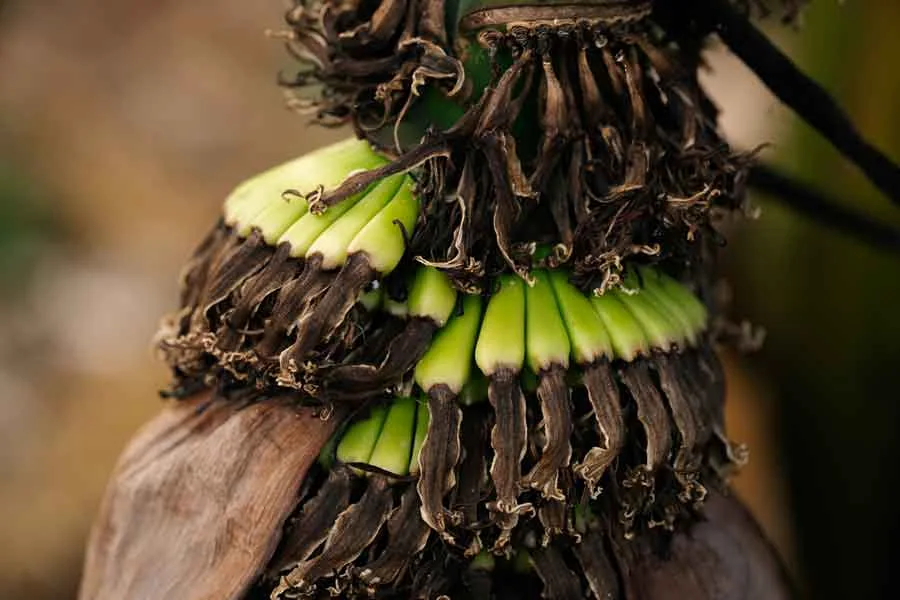
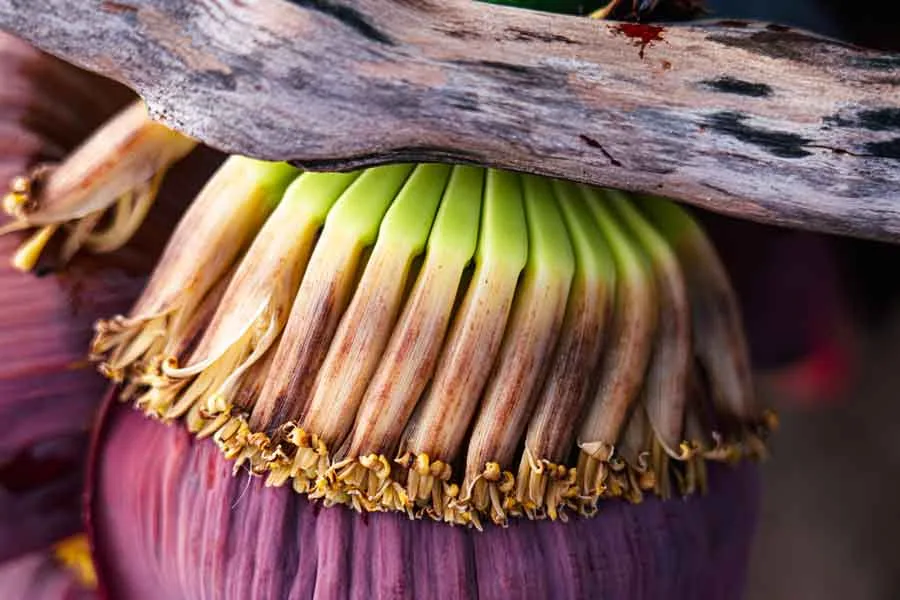
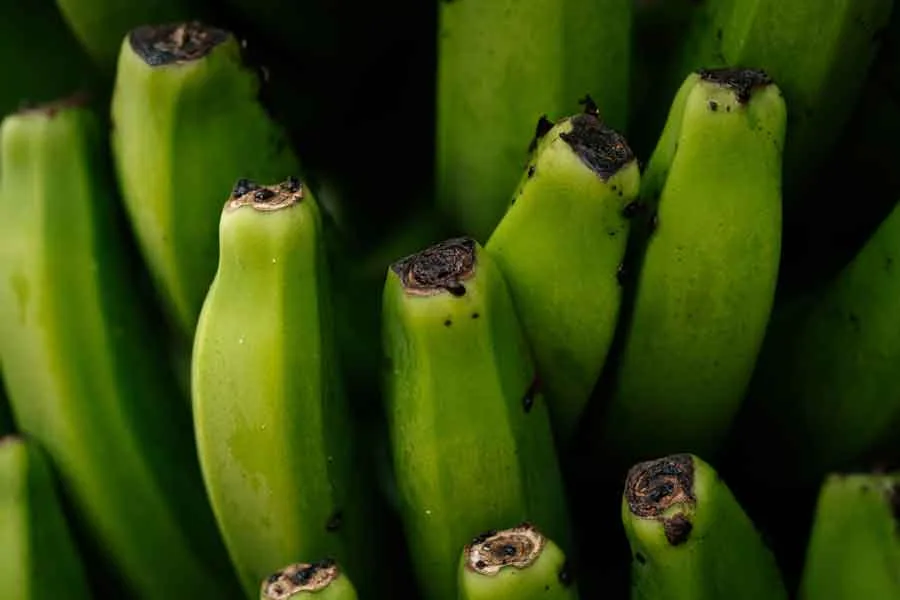
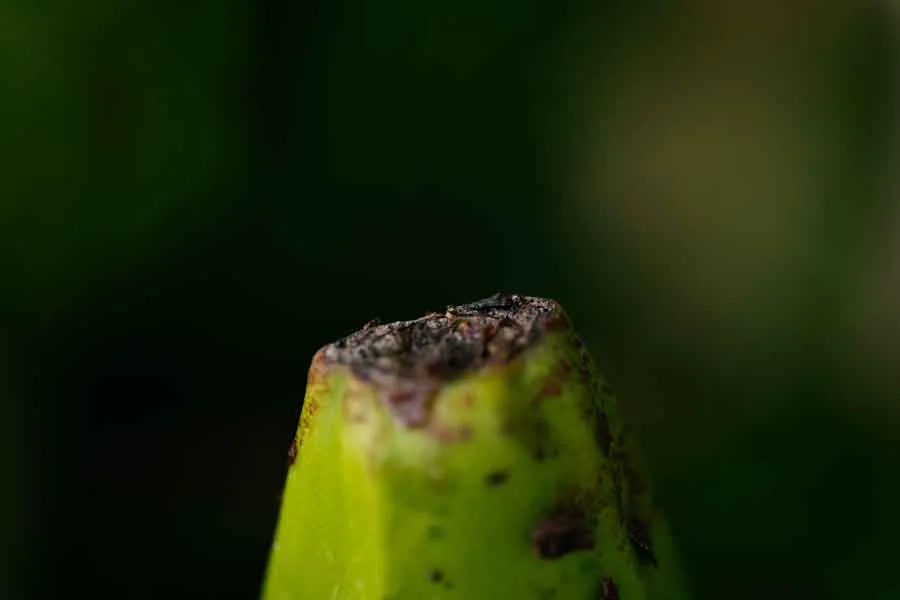
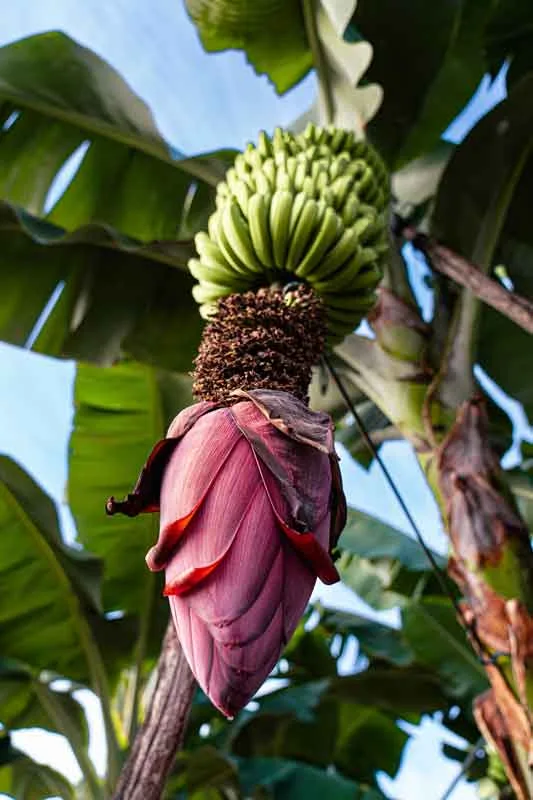
Today's excursion, “The North of La Palma”, begins with a short walk. We pass through a banana plantation; around a third of the agricultural land here is devoted to growing bananas. As bananas grow all year round, we can observe every stage of their development.
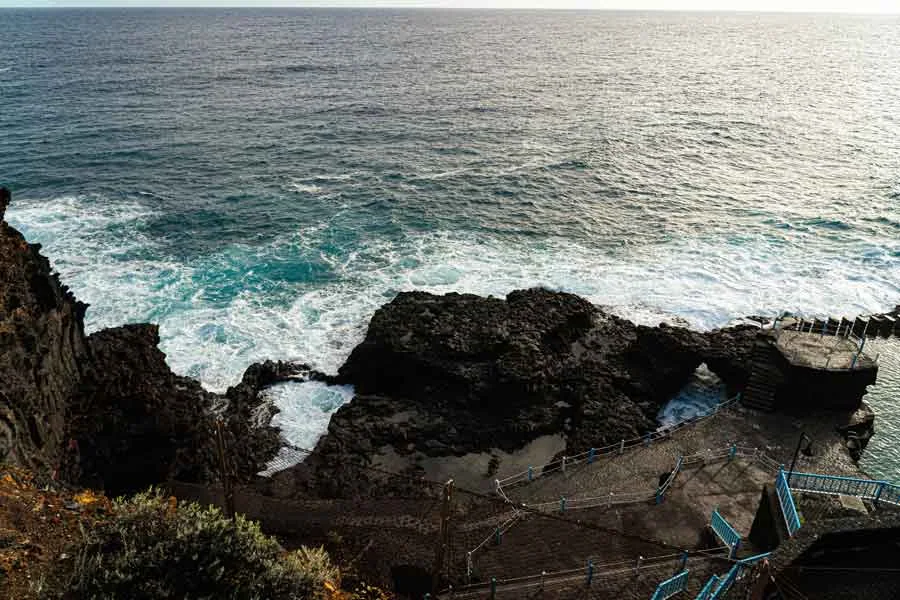
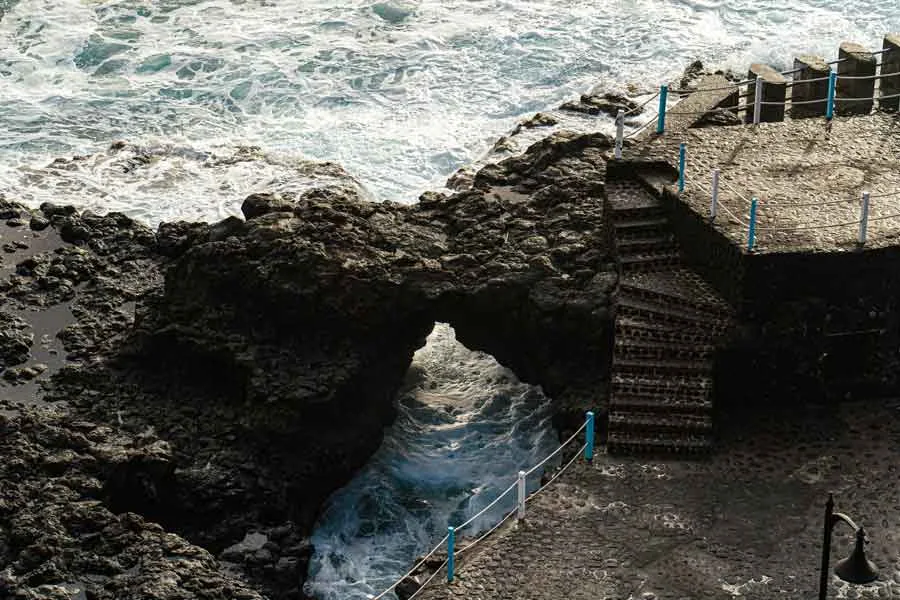
Another highlight on the island is the Charco Azul natural swimming pool, formed by volcanic activity. When the waves allow it, you can go swimming here in water at 25°C.
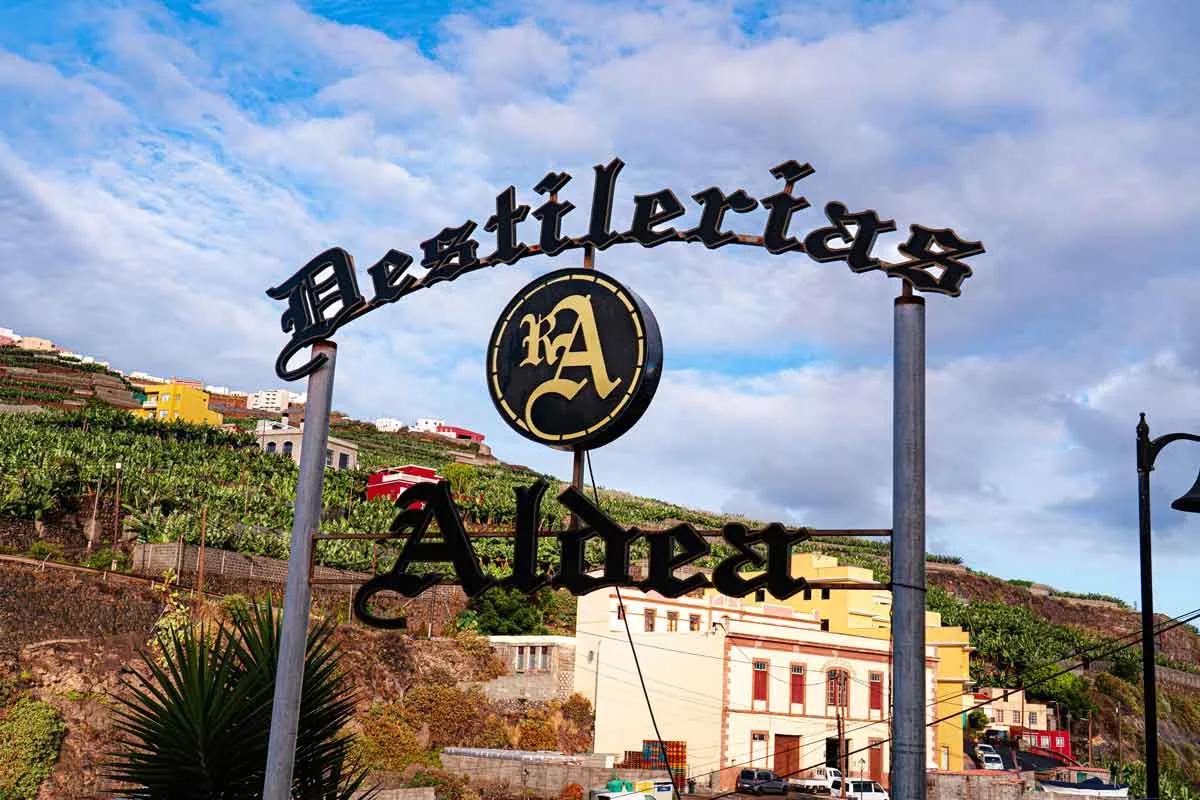
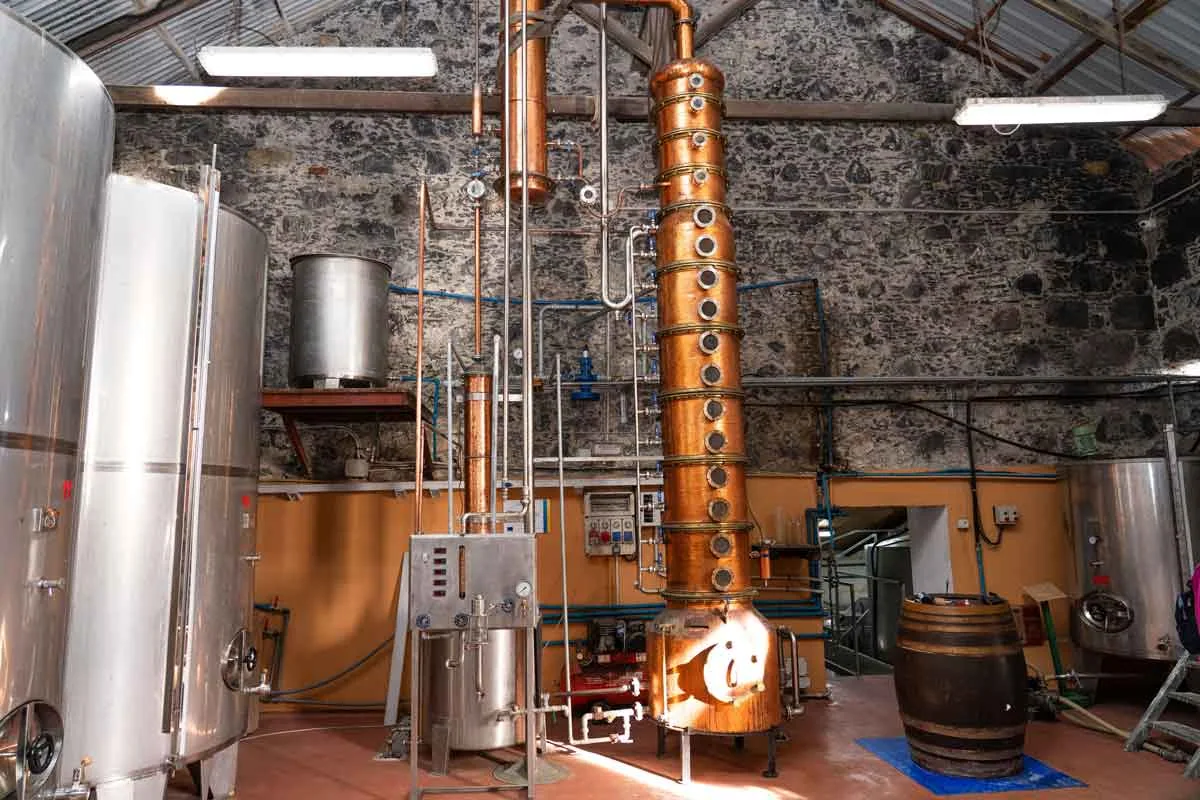
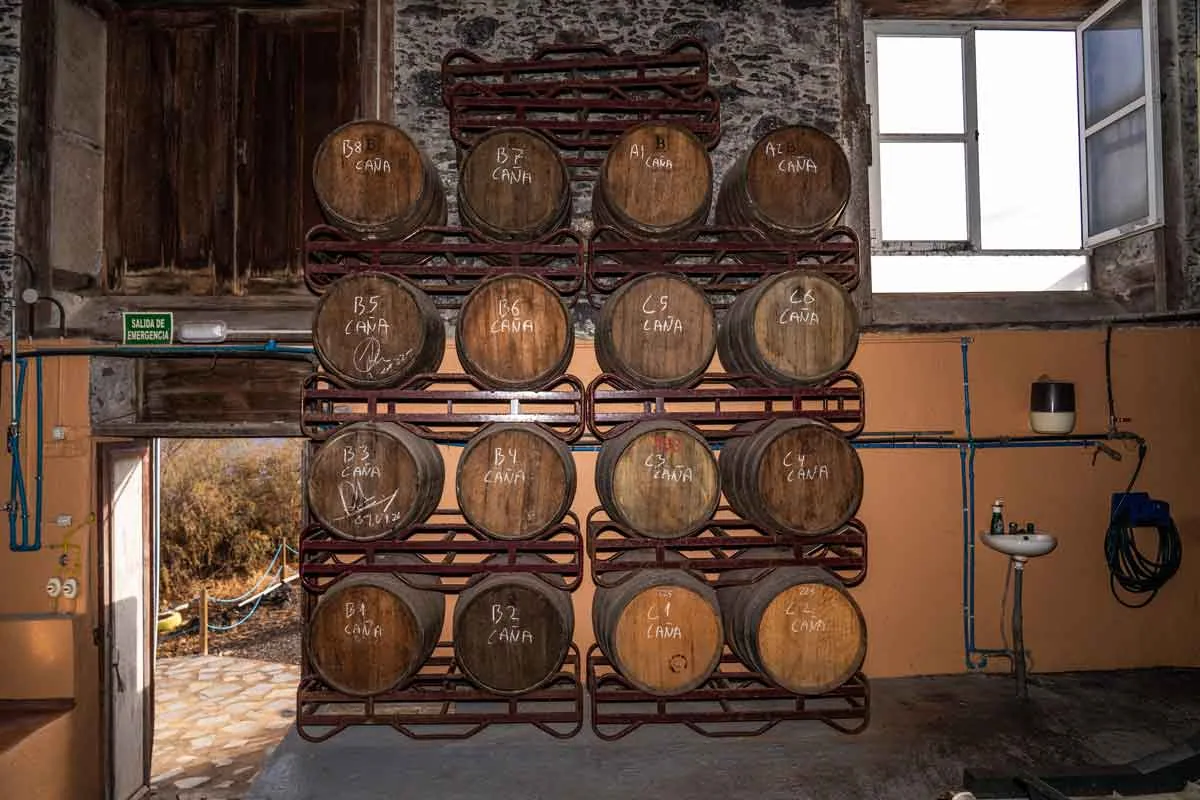
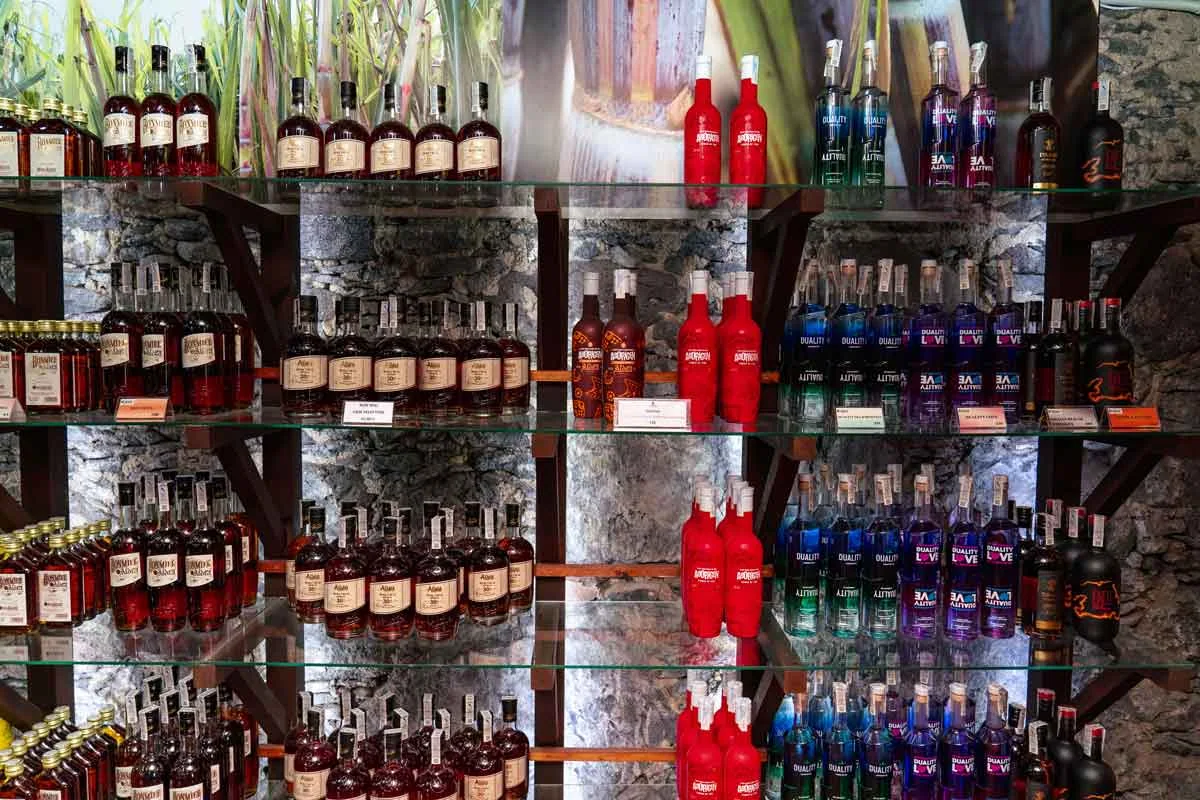
A short walk away is a local rum distillery. There is an opportunity to learn about the production process and sample local varieties, such as banana-orange rum.
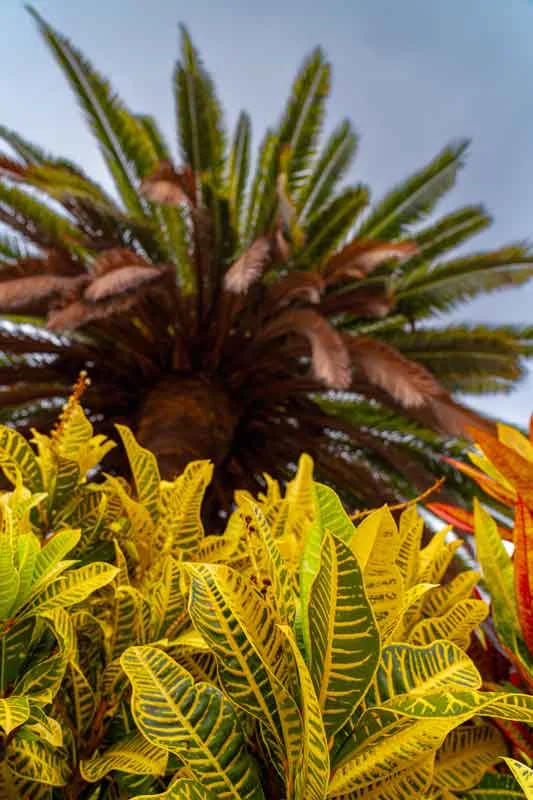
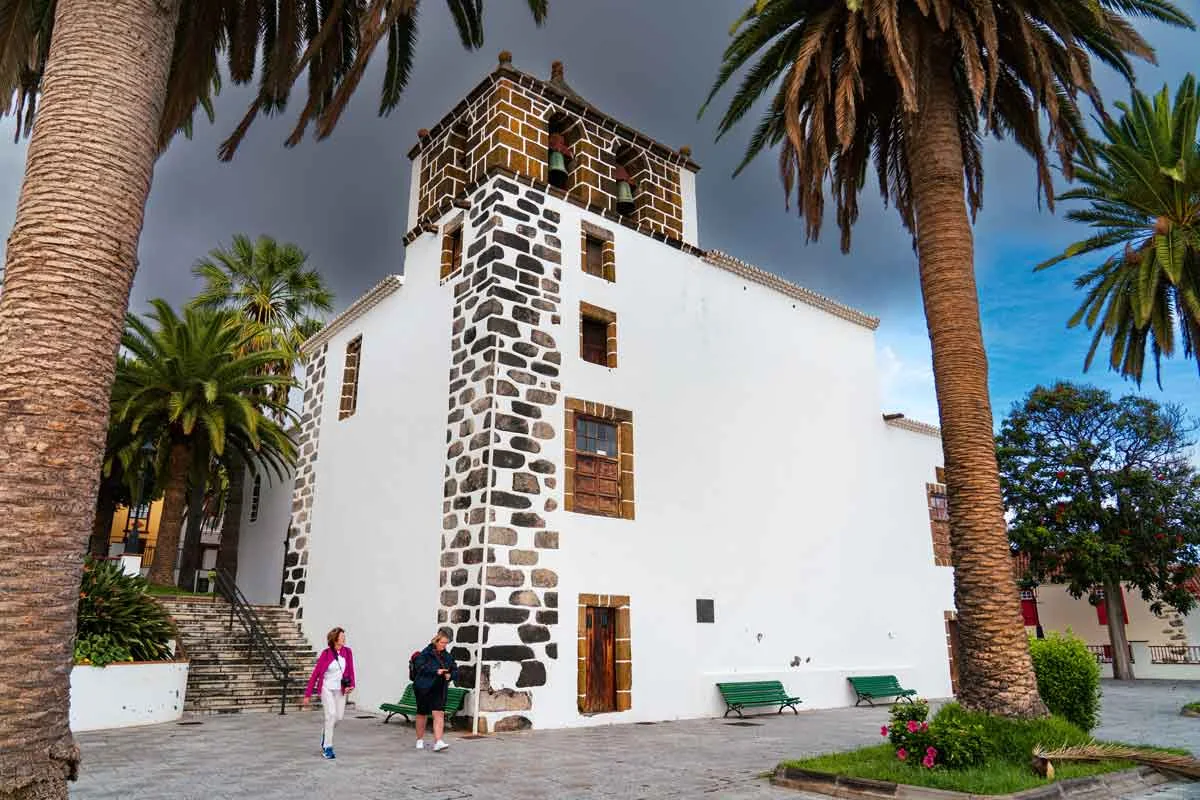
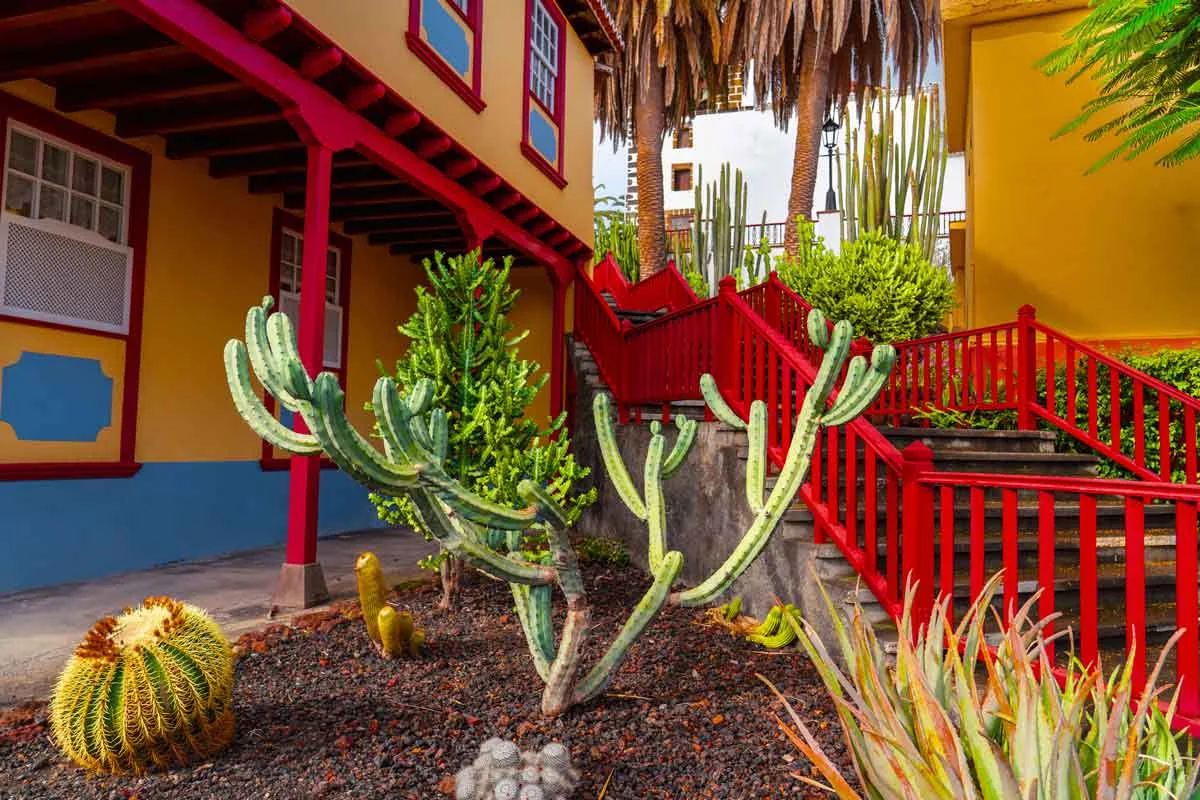
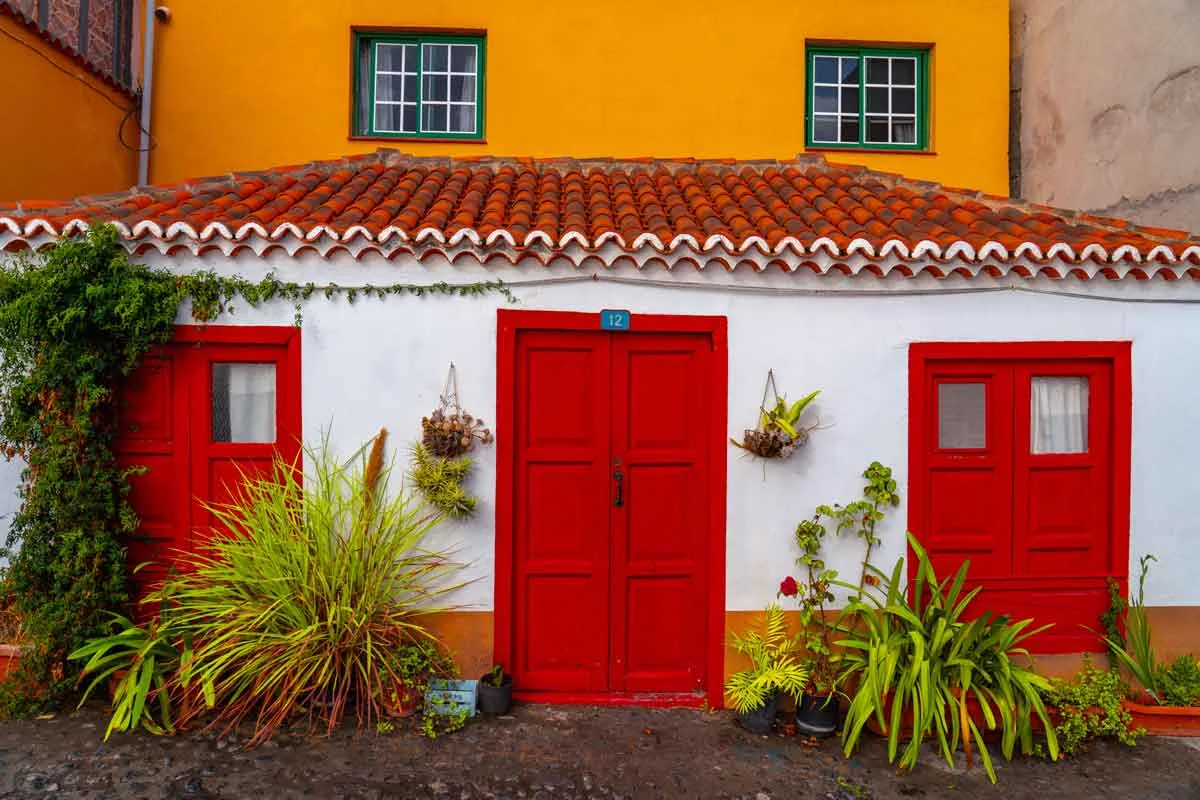
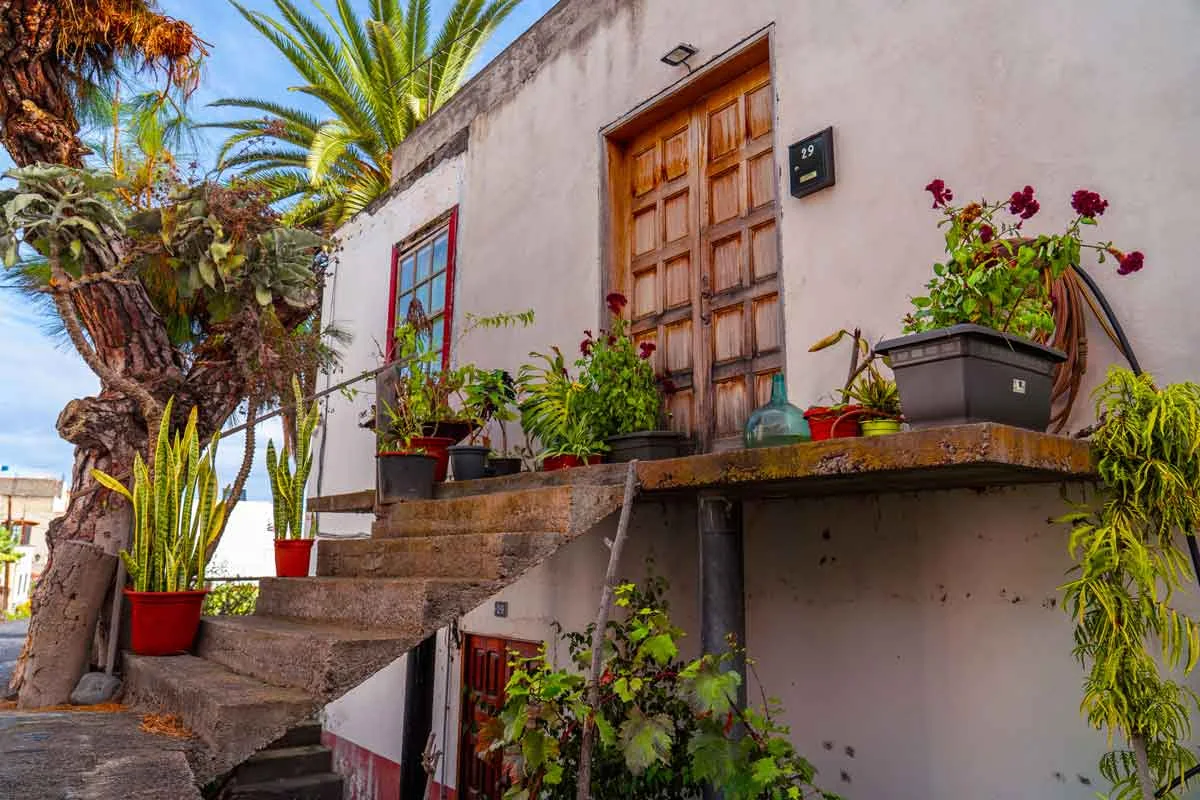
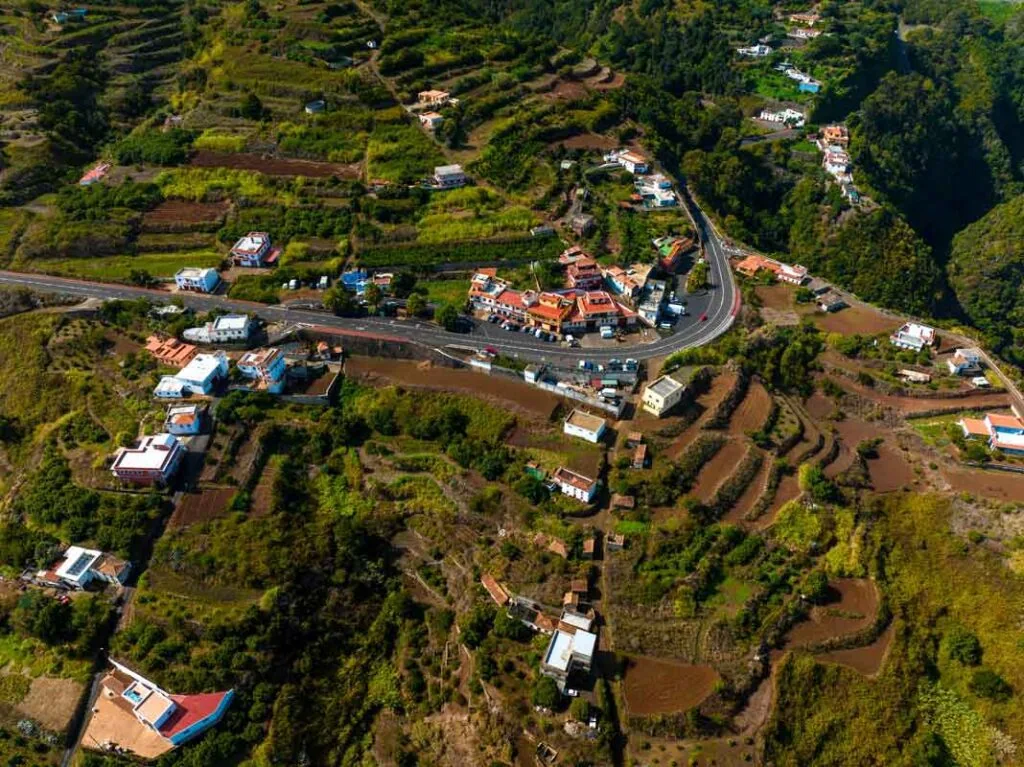
The island's most picturesque village, San Andrés, is a good half-hour's drive away. It dates back to the Spanish conquest of the Canary Islands in the 15th century. It is a must-see on a visit to La Palma: every house is a photograph in itself, and the residents are known for their carefully tended front gardens filled with native plants.
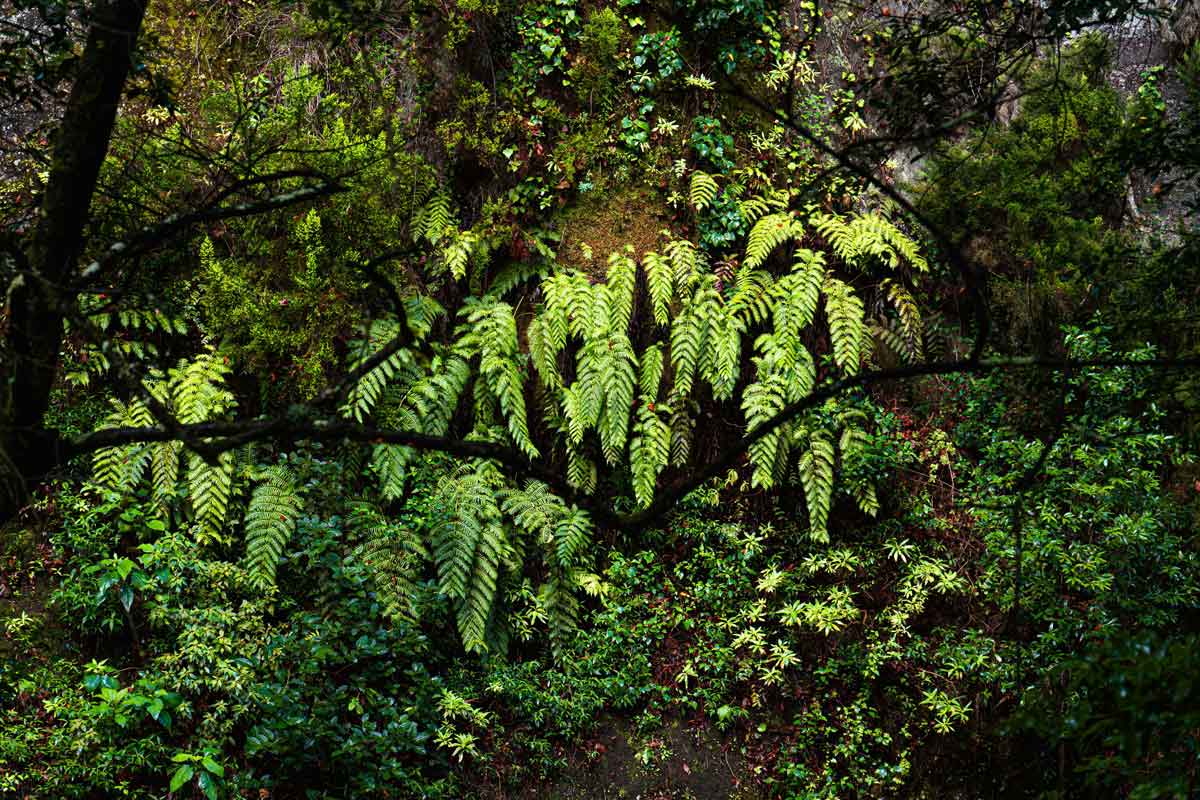
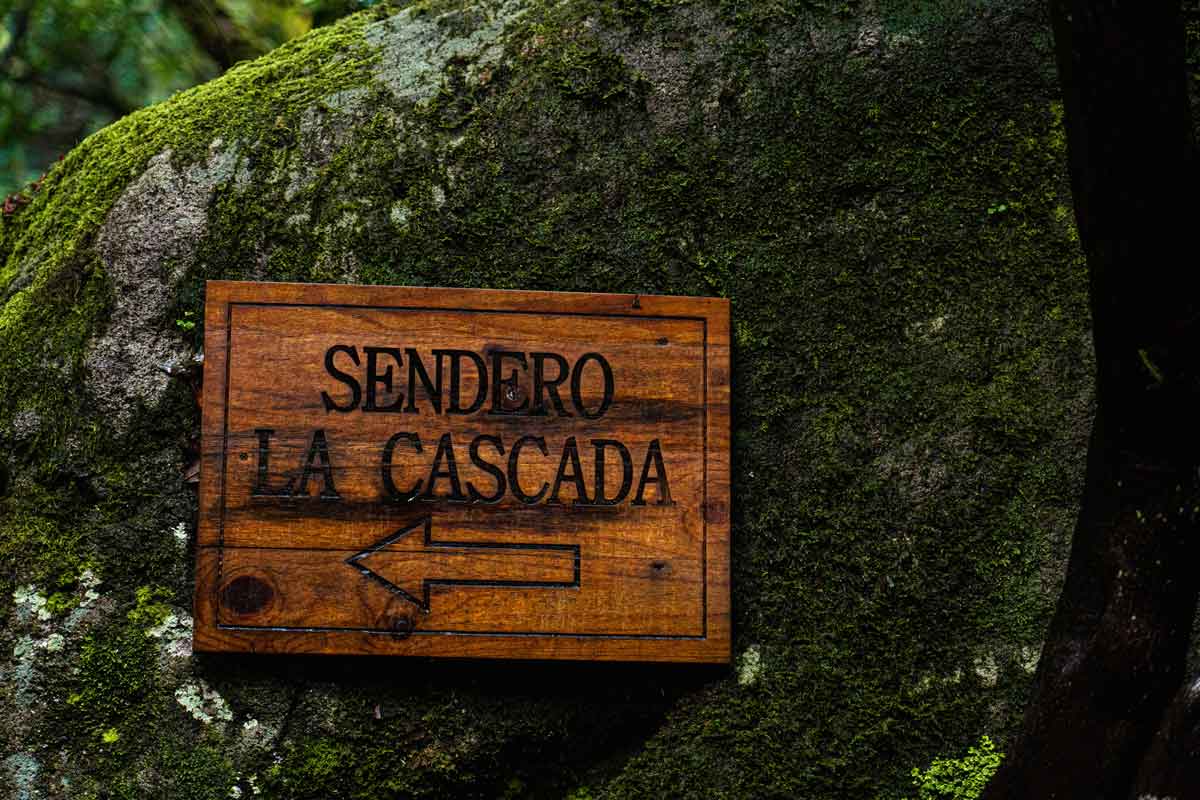
Next comes a drive through a laurel forest, on roads barely wider than the bus in places. We walk through the forest for a while until we reach a waterfall that also supplies water to a nearby village.


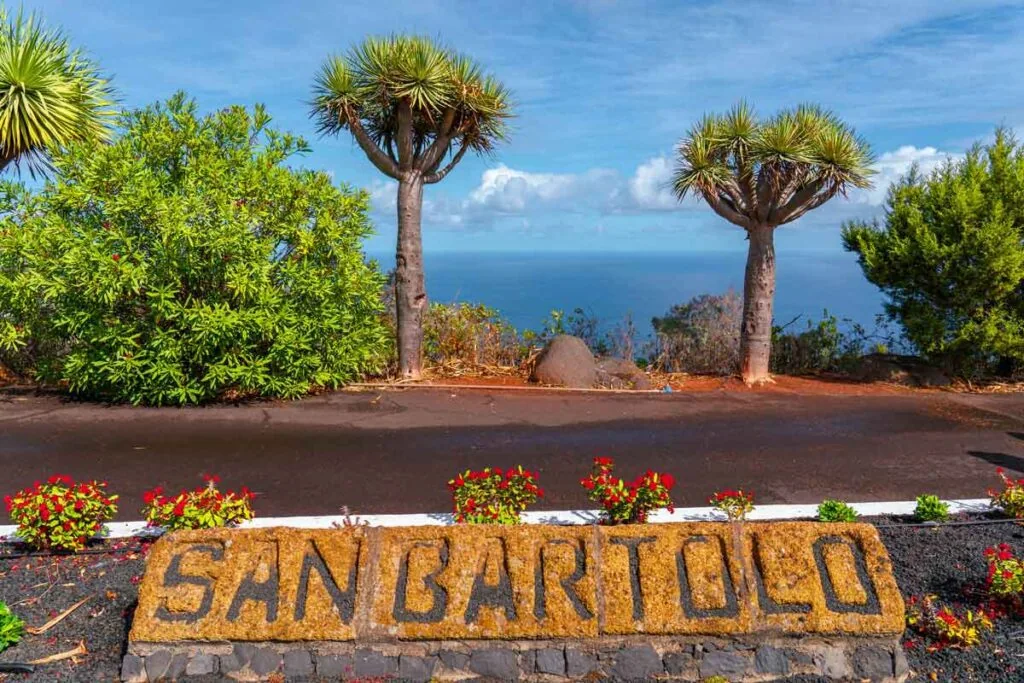
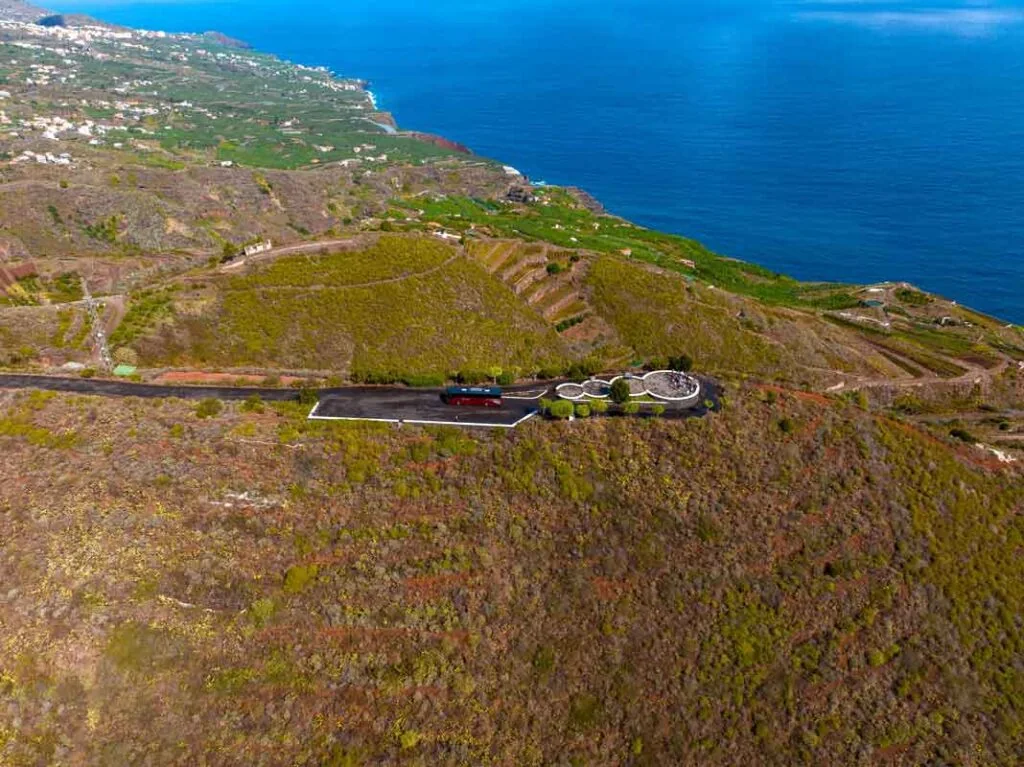
The final stop, and a fitting end to the day, is the Mirador de San Bartolo viewpoint, overlooking the many fields and banana plantations in the surrounding area.
Santo Antão, Cape Verde / 26 October 2023
Santo Antão — let me say this upfront: looking back, and on first, second and third impressions, this is my favourite island.
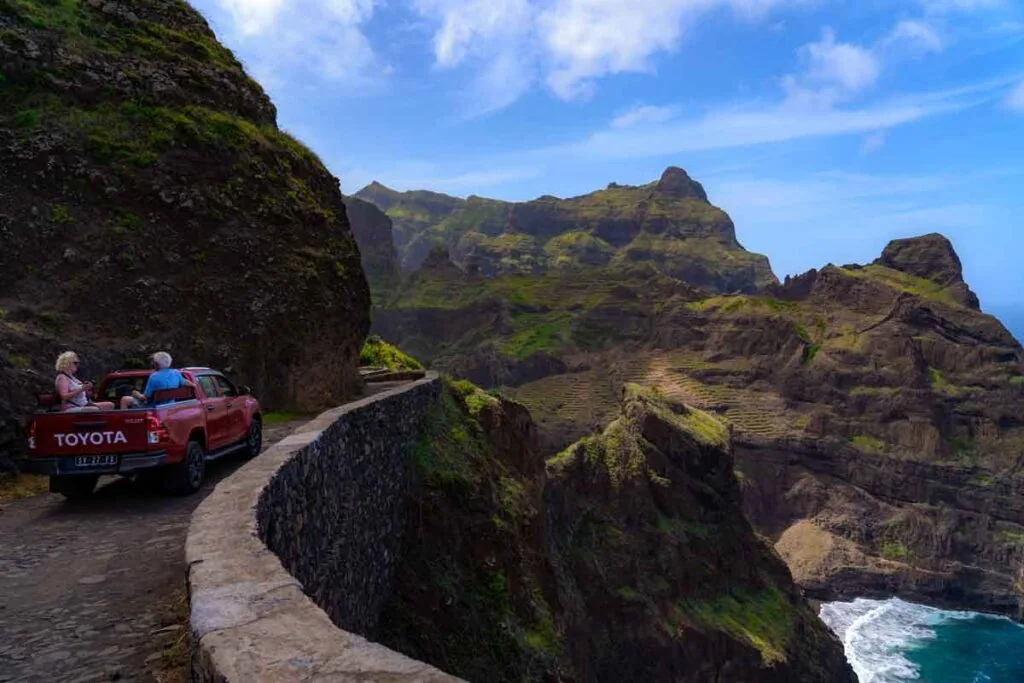
We travelled from Porto Novo towards the green north of the island in off-road vehicles. Our Toyota Hilux pickups gave it a real expedition feel!
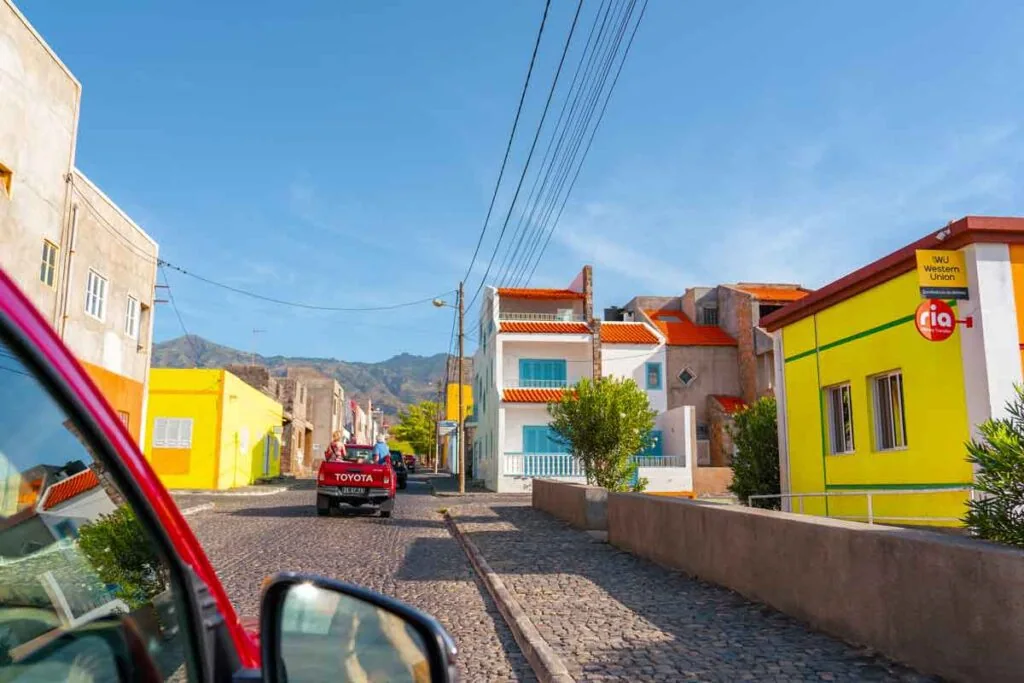
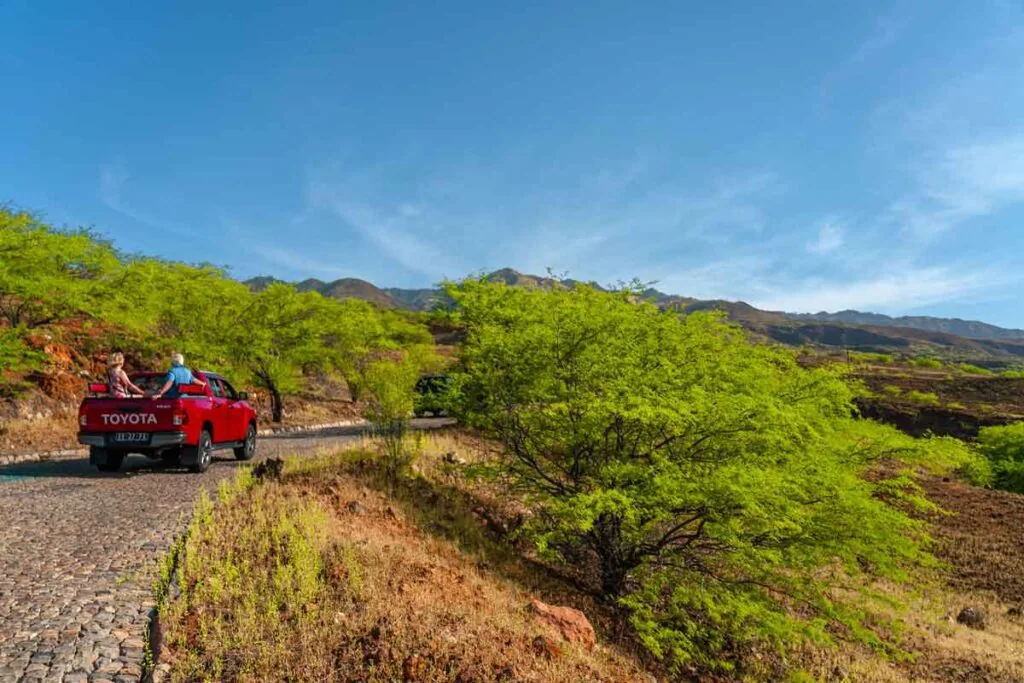
Our route follows an old cobbled trading road linking the former capital, Ponta do Sol, with the new one, Porto Novo. We head up into the mountains; the island's highest point is 1,979 metres, incidentally. Along the roadside, we keep spotting farm animals such as donkeys and cows.
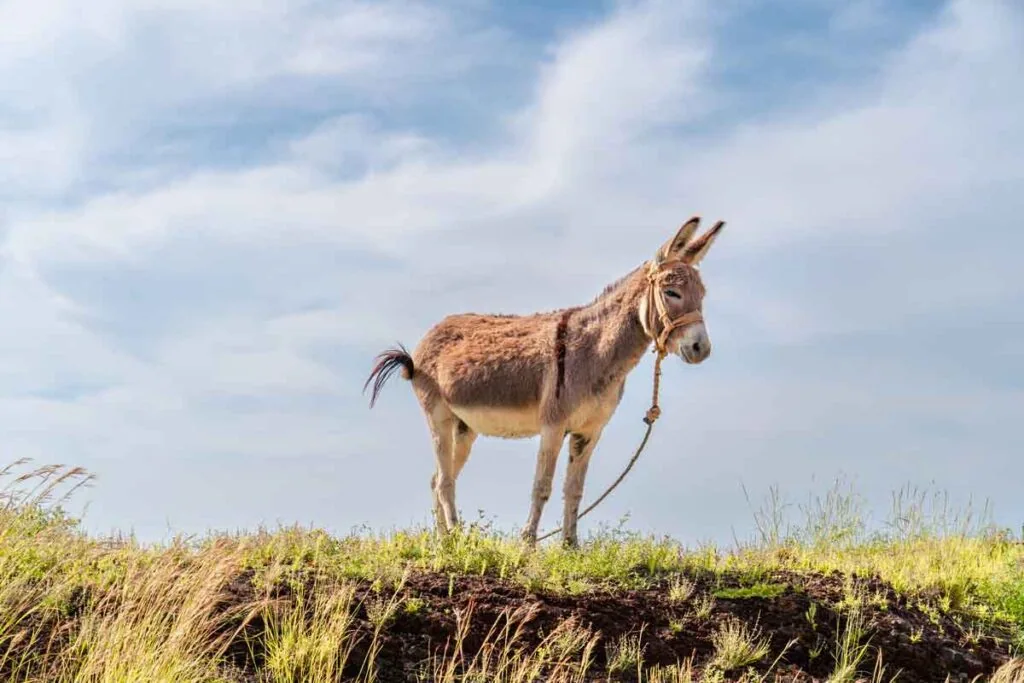
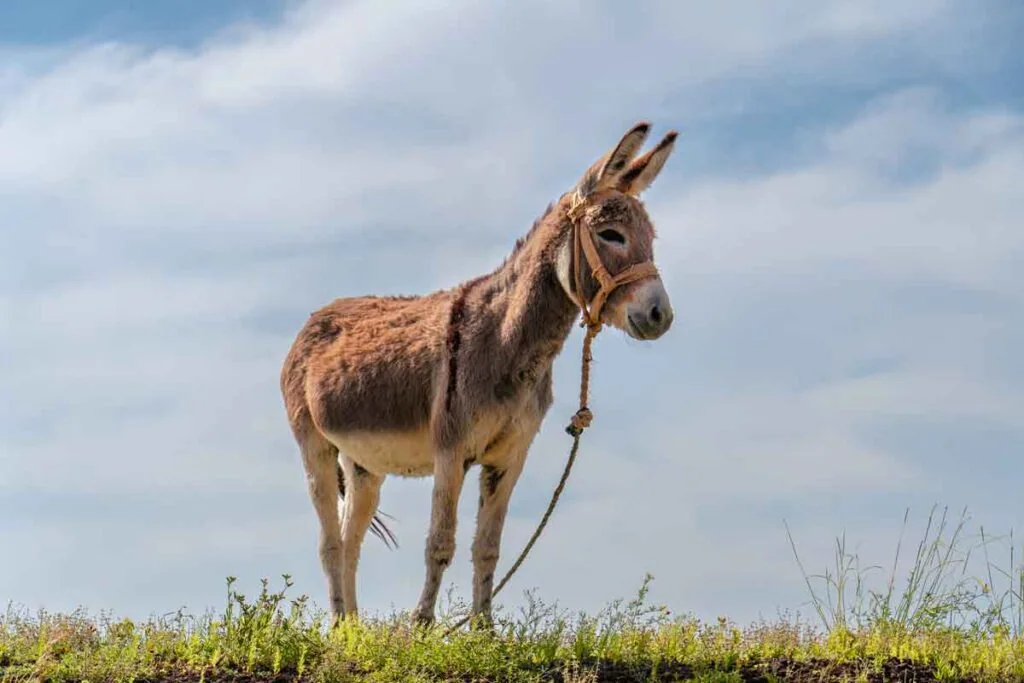
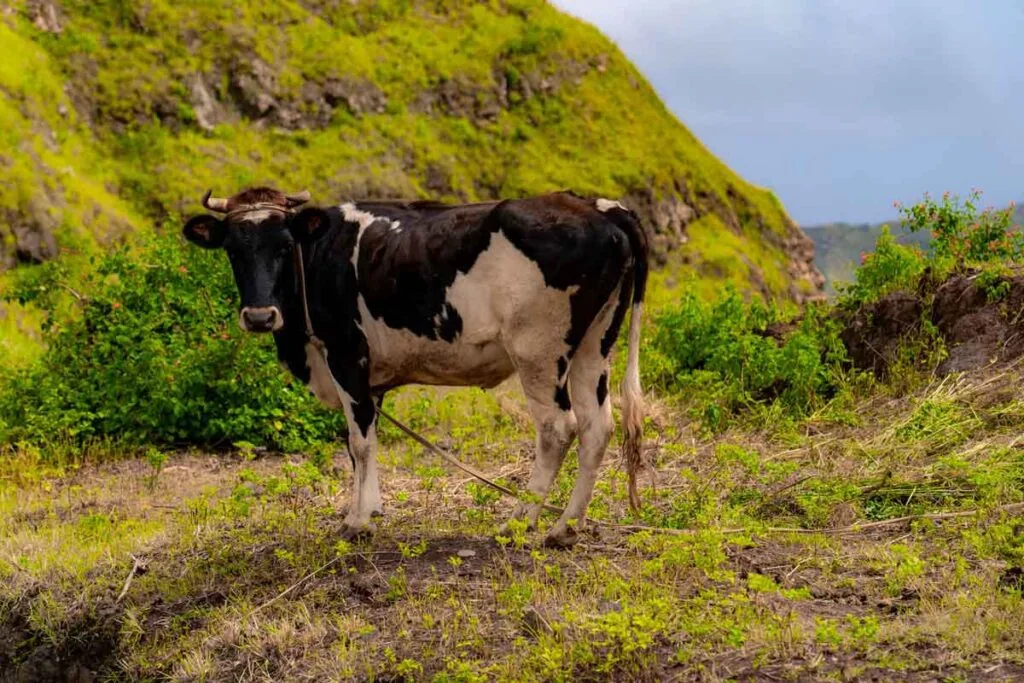
Higher up, a deeply sculpted mountain landscape opens up, with lush green valleys and massive mountain formations. Here and there, small huts belonging to local farmers dot the slopes.
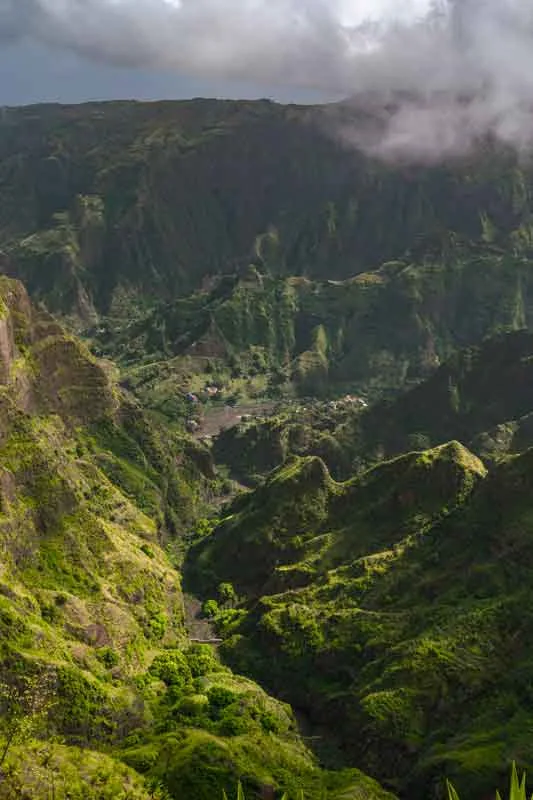
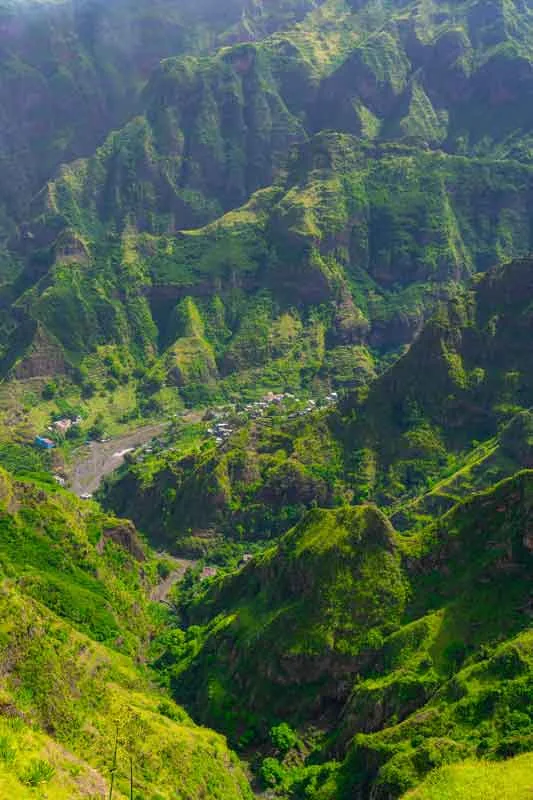
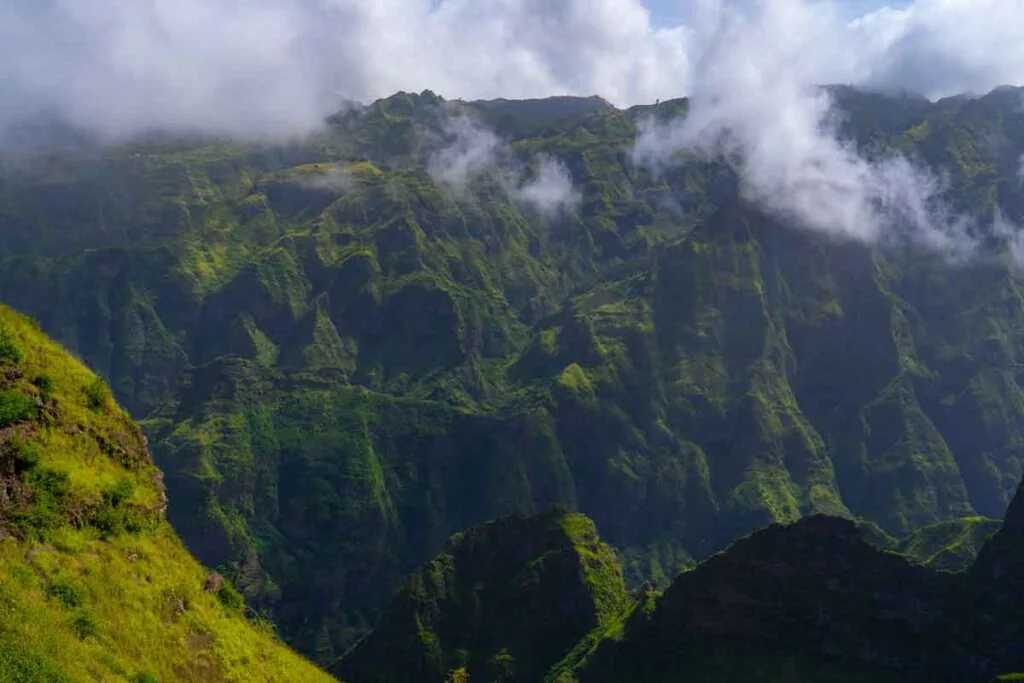
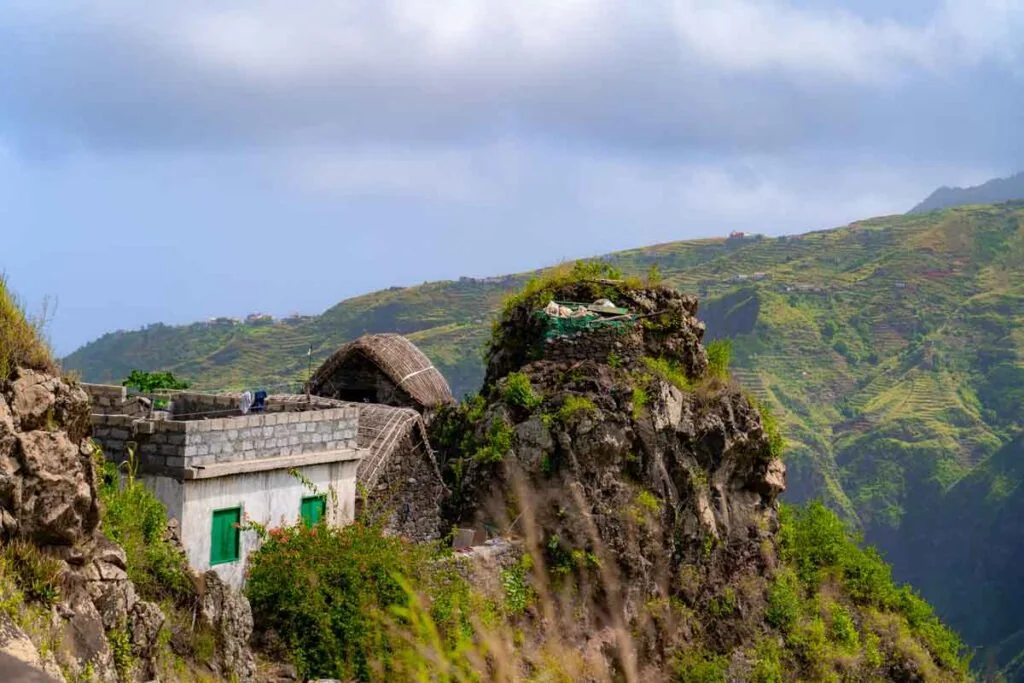
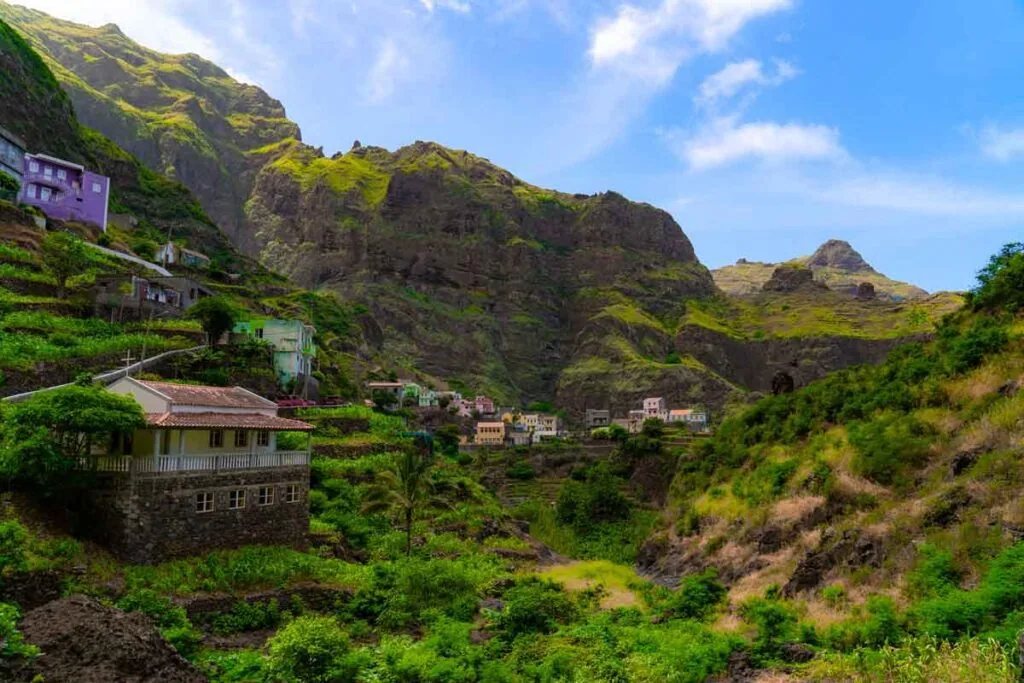
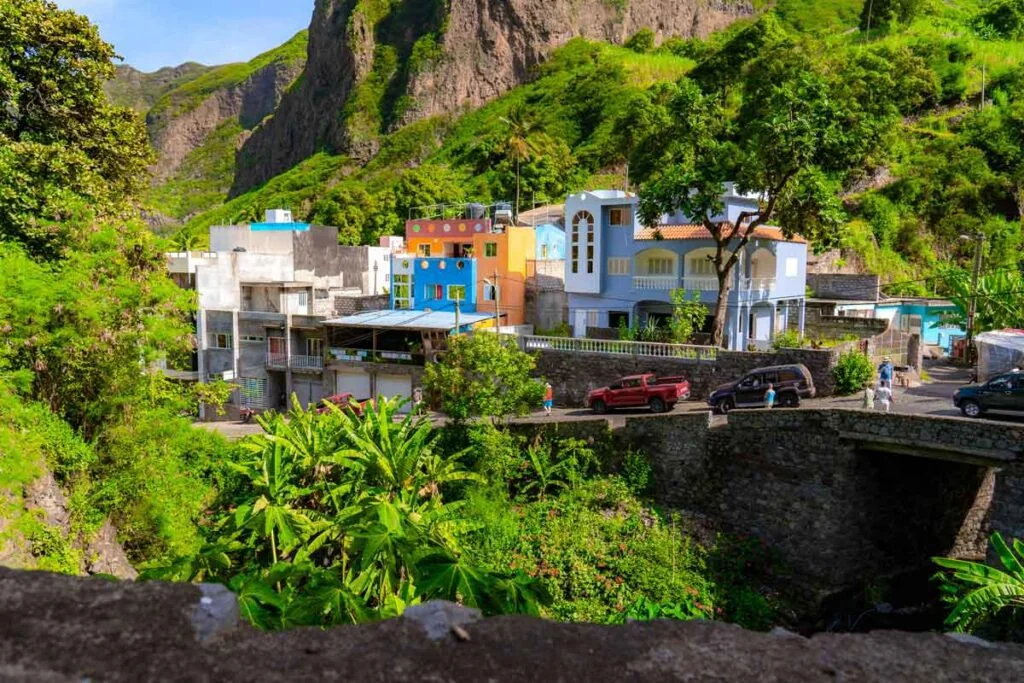
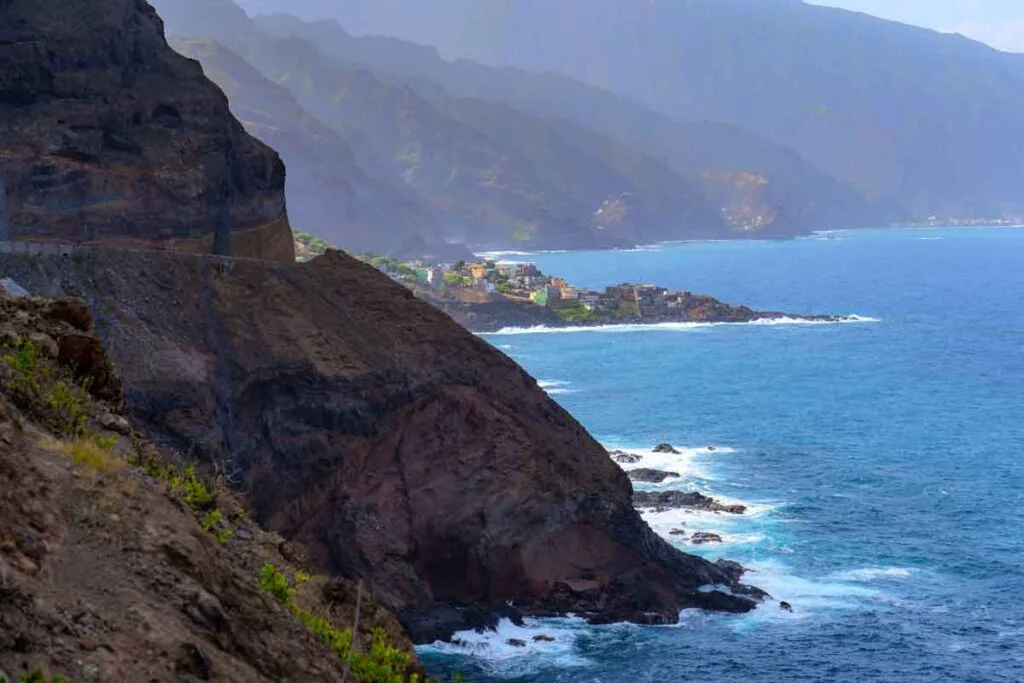
At the end of the road is the town of Ponta do Sol, but we will stop there later. First, we head towards the coast. A new mountain road is being built here and is opened especially for us today. Once completed, it is intended to provide reliable access to Fontainhas, a small settlement in one of the valleys. For now, the road is not fully surfaced and remains under construction. In the past, food and building materials were mostly delivered by donkey or small motorbike.
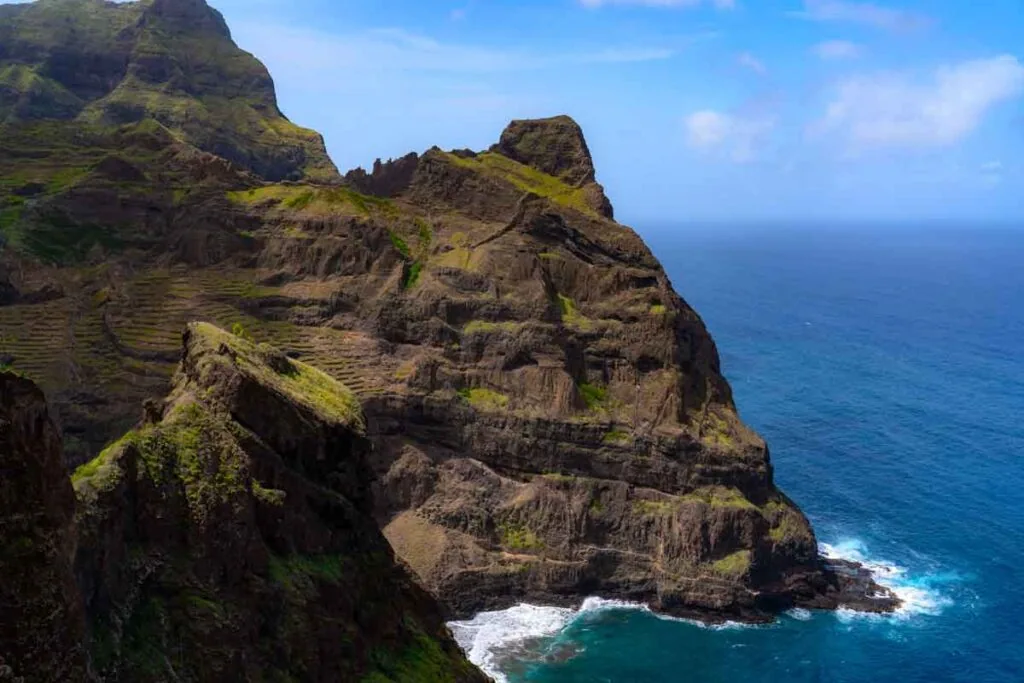
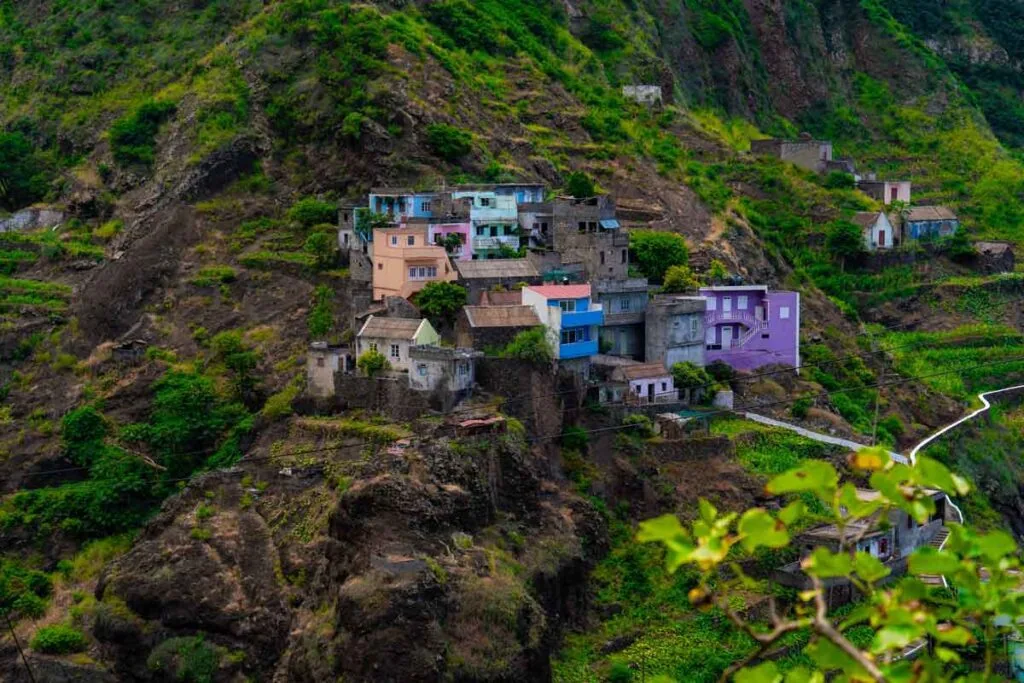
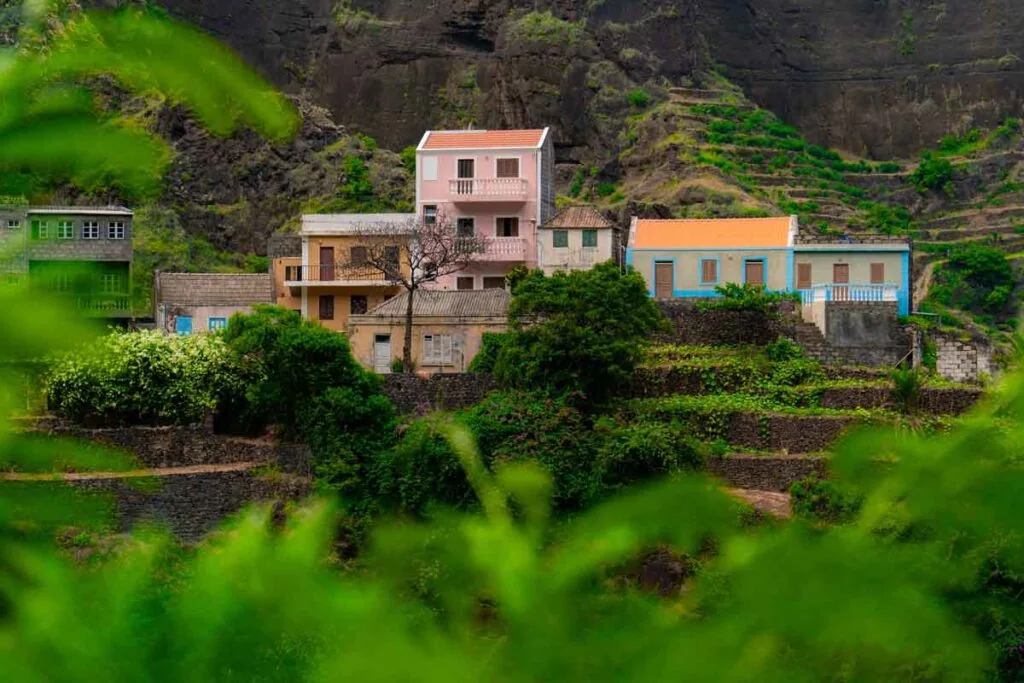
The village of Fontainhas is a UNESCO World Heritage Site and has been called “the most picturesque village in the world”. I can certainly agree: hikers will find heaven on earth here. Terraced fields, towering slopes and lush greenery everywhere you look make every corner a photograph. It rains here from August to October, making that period particularly worthwhile for a visit as the colours are even more intense.
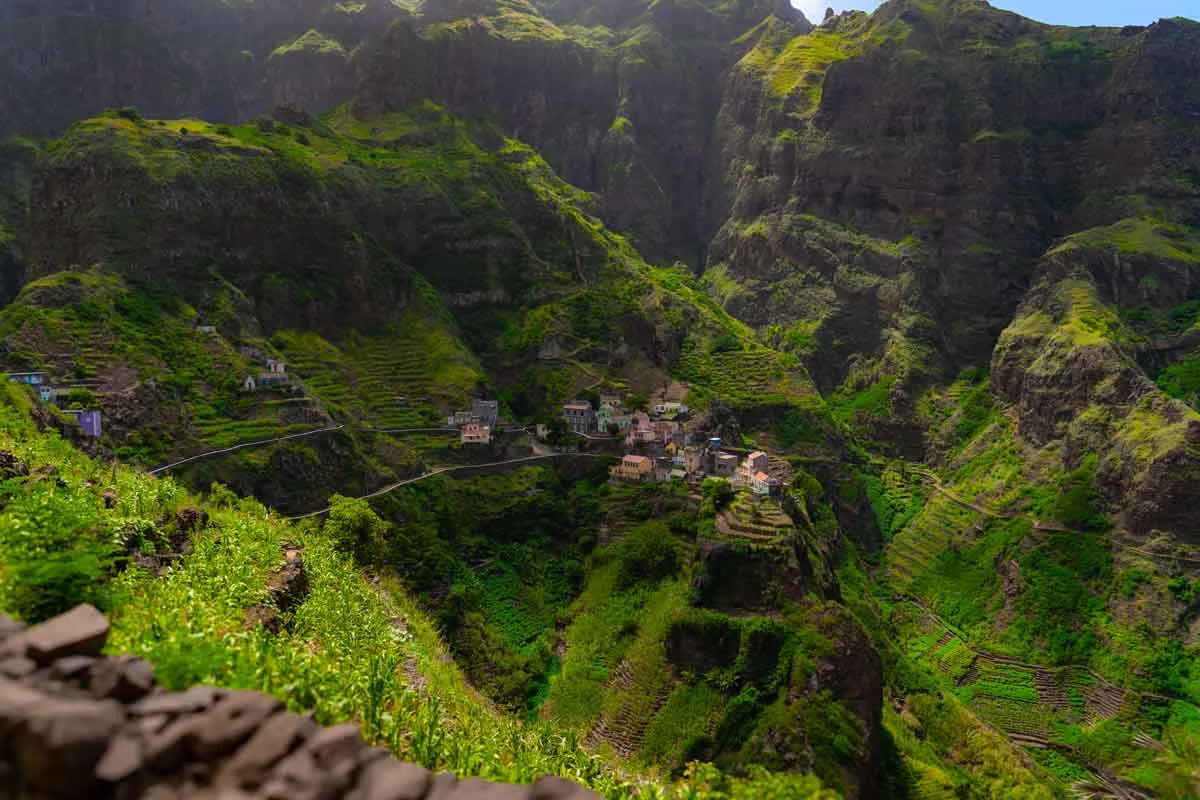
The village has a small bar where a beer costs just €1.20. There is also a free toilet for hikers. Today, the village has 50 residents, all born here. Selling their own property is out of the question for them.
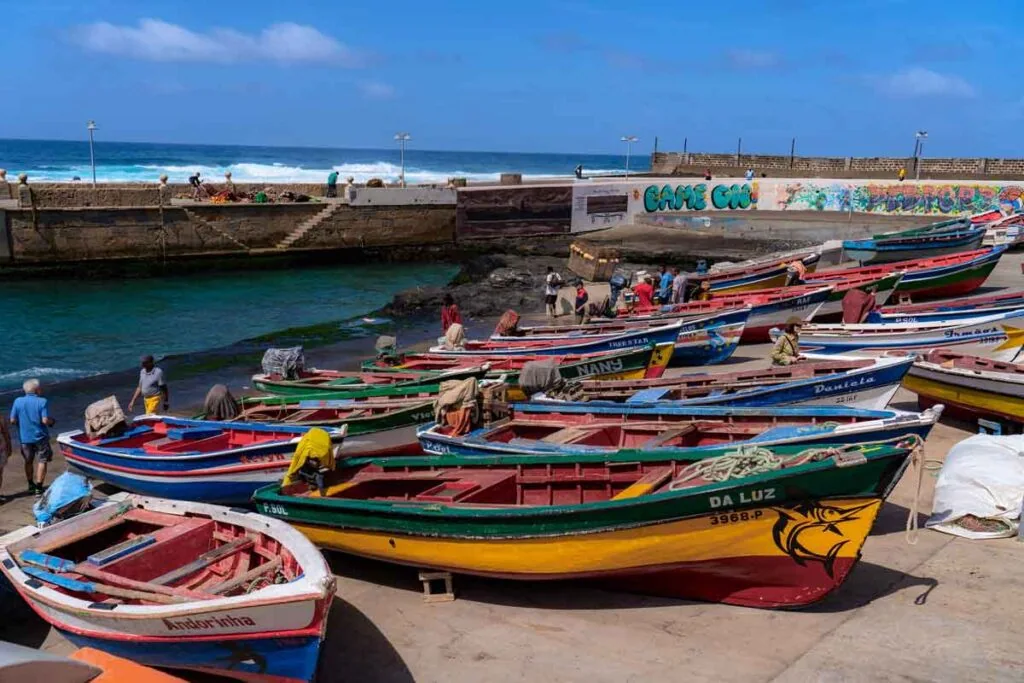
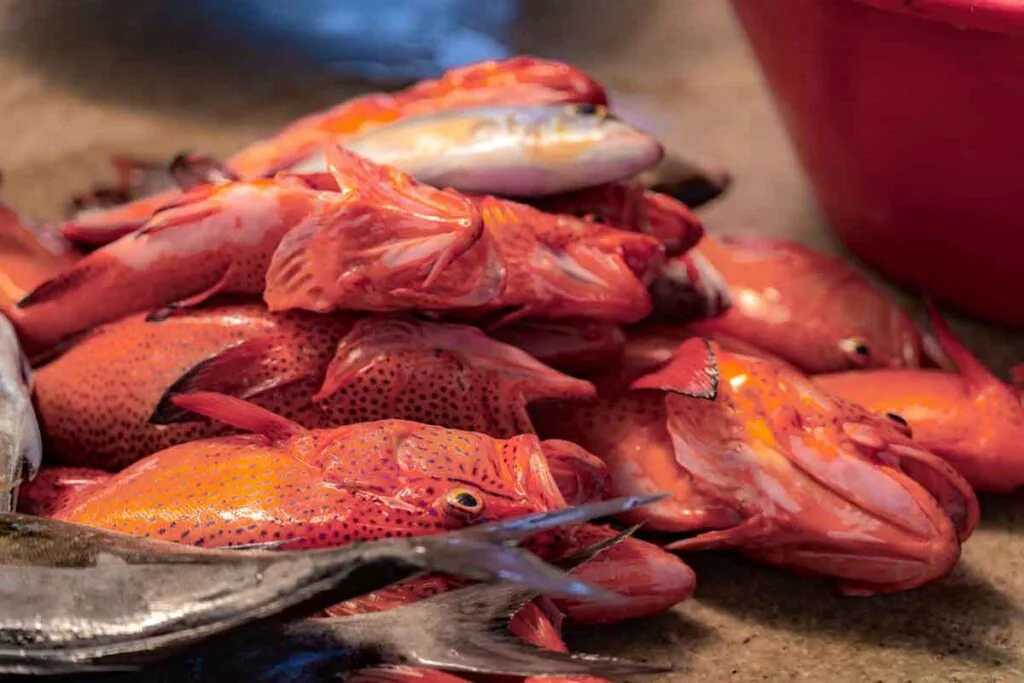
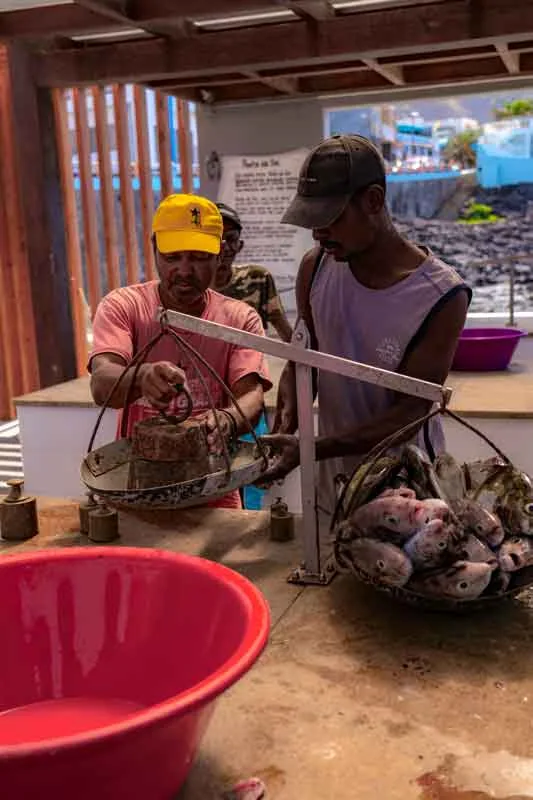
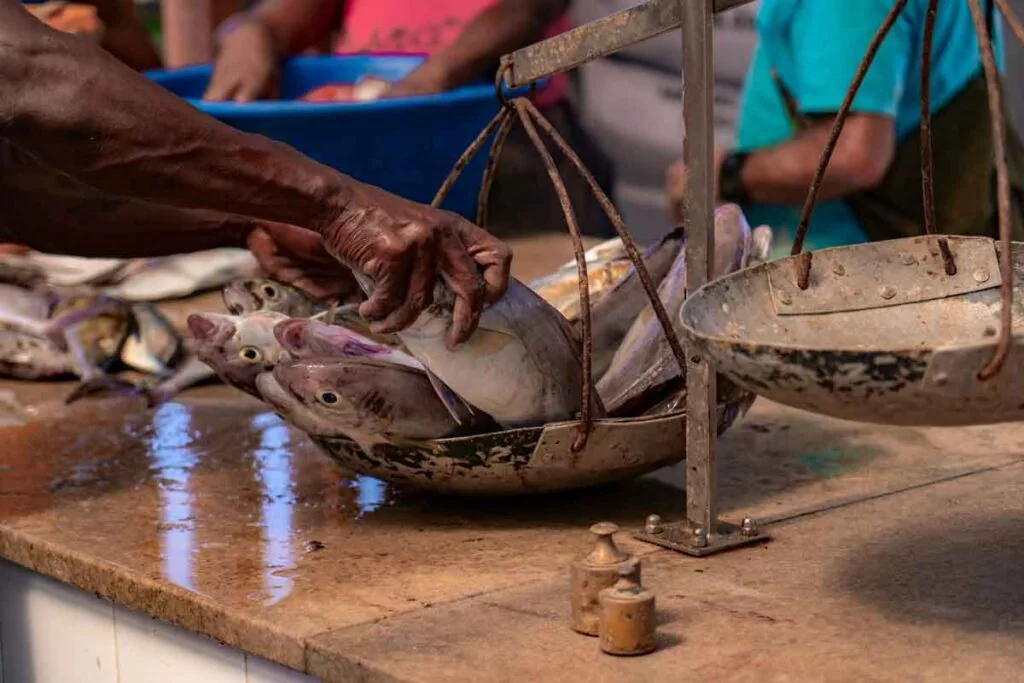
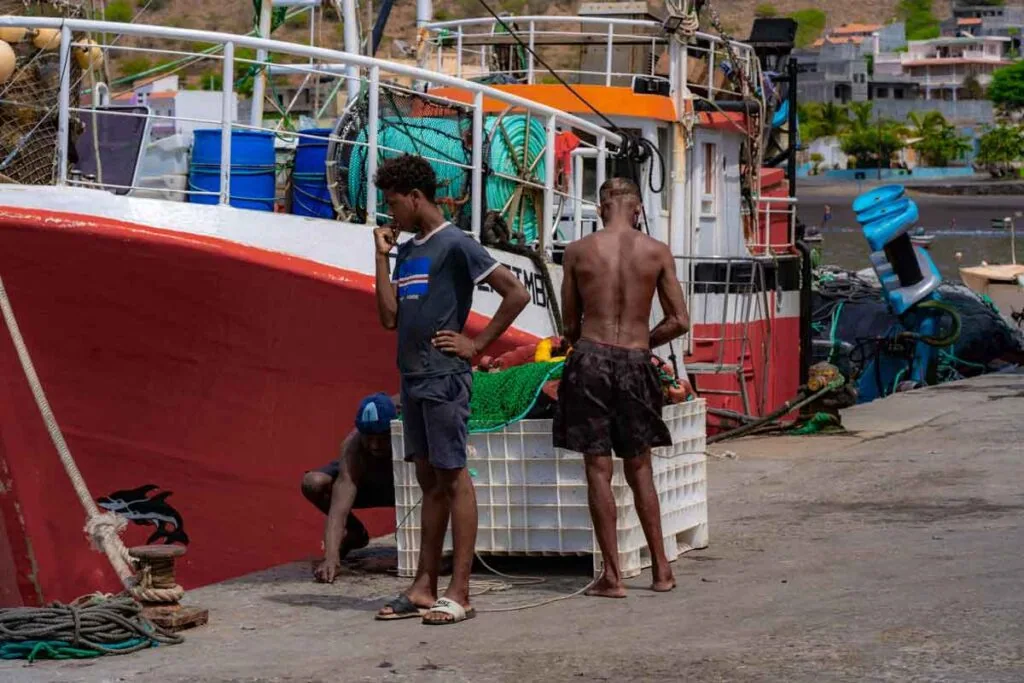
We now follow the narrow road back to Ponta do Sol, where we visit a local fish market right beside the harbour. Fish does not get much fresher than this. The fishermen still lead very simple lives, and prices are determined using a traditional balance with counterweights. Among the most commonly caught fish in Cape Verde are tuna, wahoo, mackerel, cutlassfish and grouper.
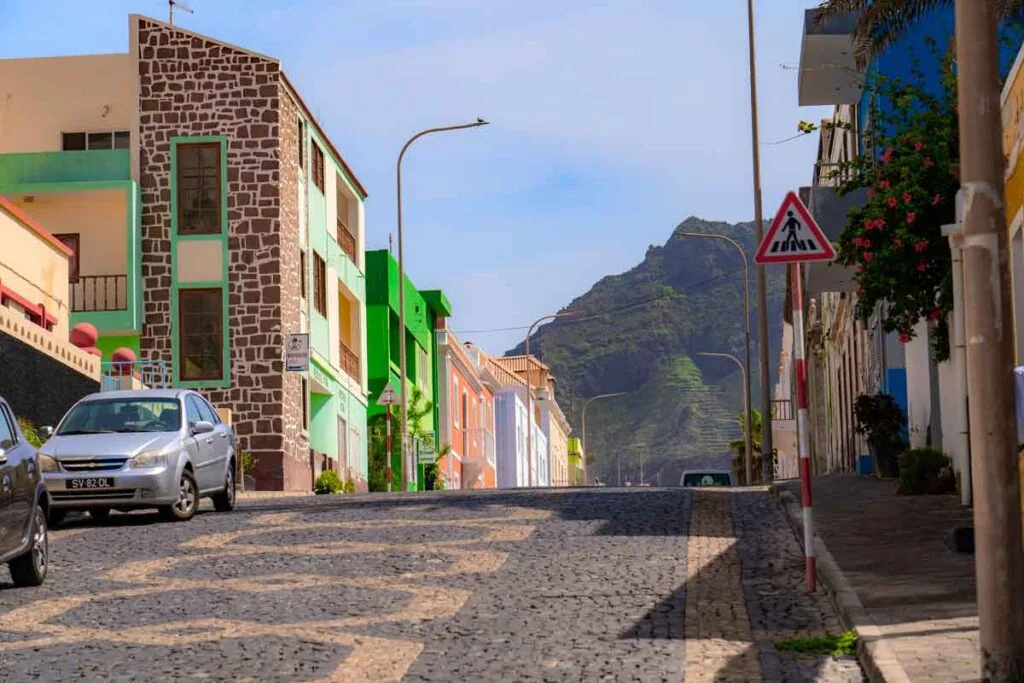
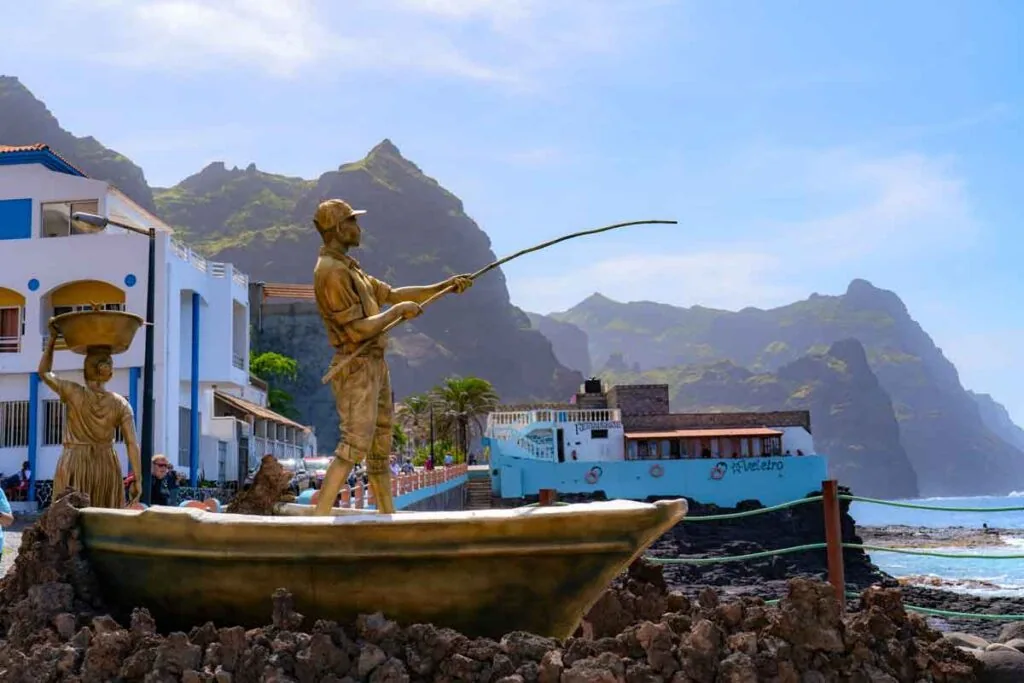
The town itself, the island's former capital, is fairly modest, with a restaurant, two hotels and a souvenir shop.
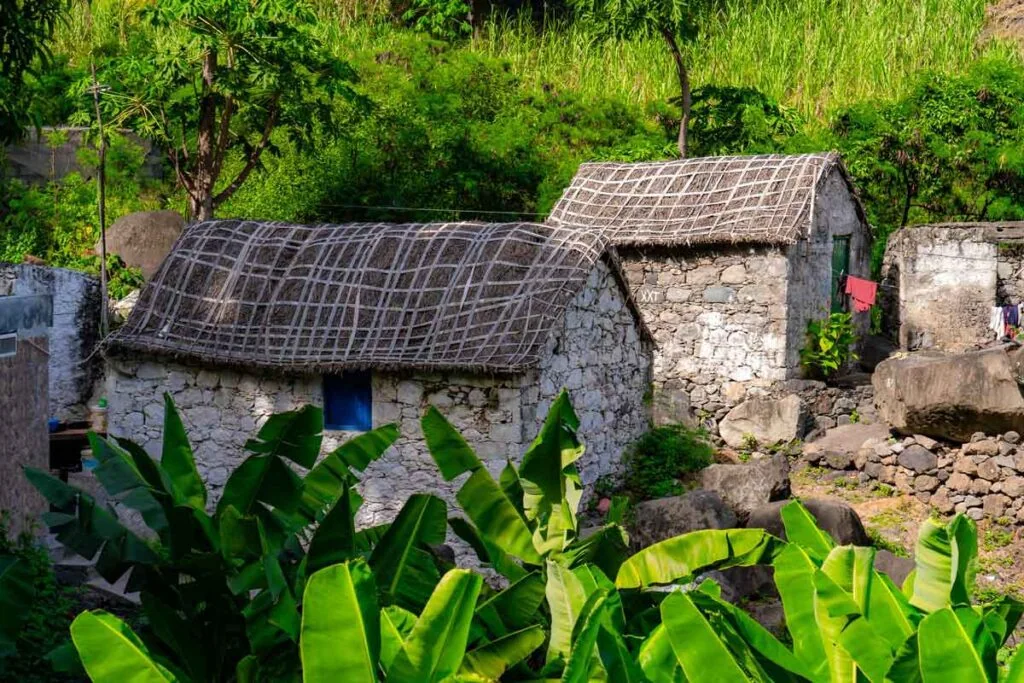
Our penultimate stop is the picturesque Paul Valley. Many local farmers grow papayas, bananas, cassava and sugar cane in this green valley. There are also still houses built entirely by hand from natural materials. Some farmers here cannot afford materials such as concrete or window glass.
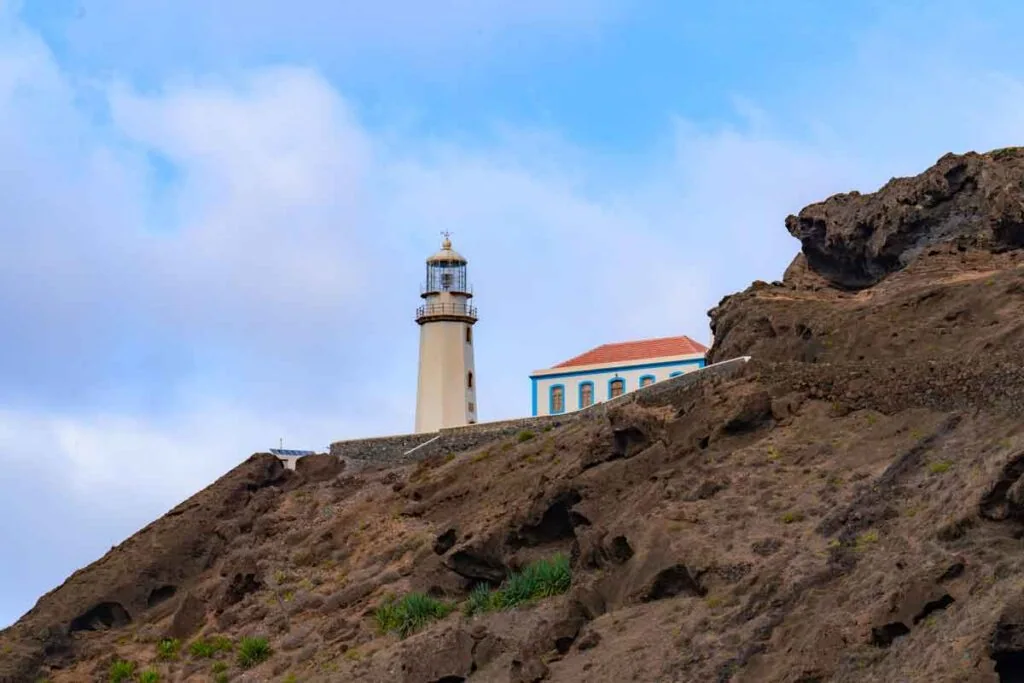
On the way back, we stop at a lighthouse on the cliffs, but unfortunately do not have time to visit it.
São Vicente, Cape Verde / 27 October 2023
Why did I not like São Vicente? Well, for a start, the impression Santo Antão made on me yesterday is still fresh. I could not get enough of its lush green landscape. Just nine nautical miles away are São Vicente and the city of Mindelo, where we are docked today.
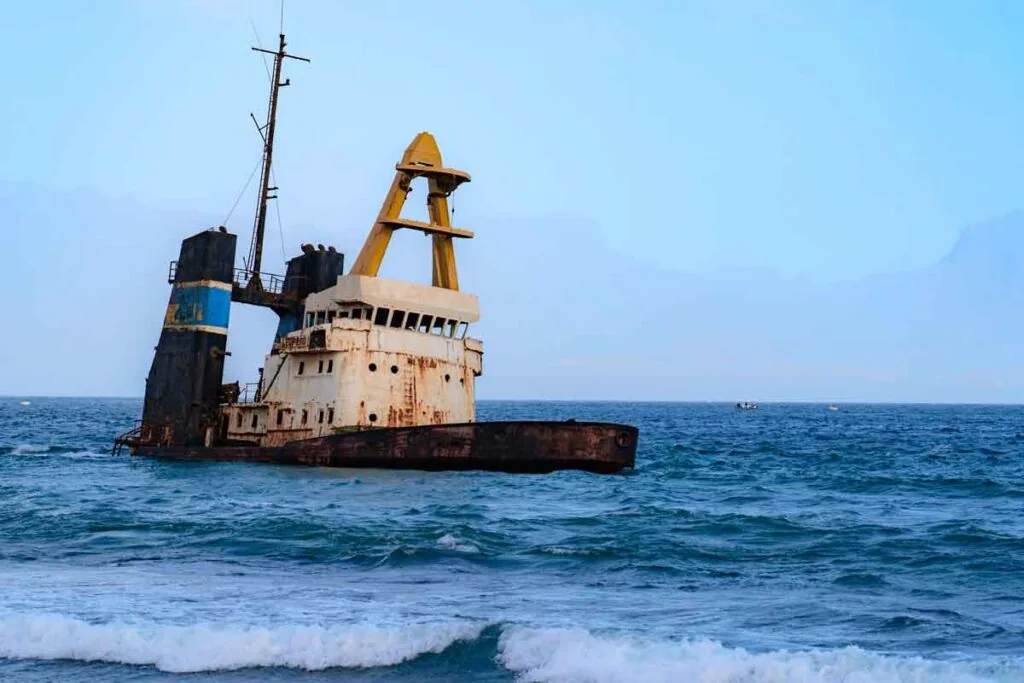
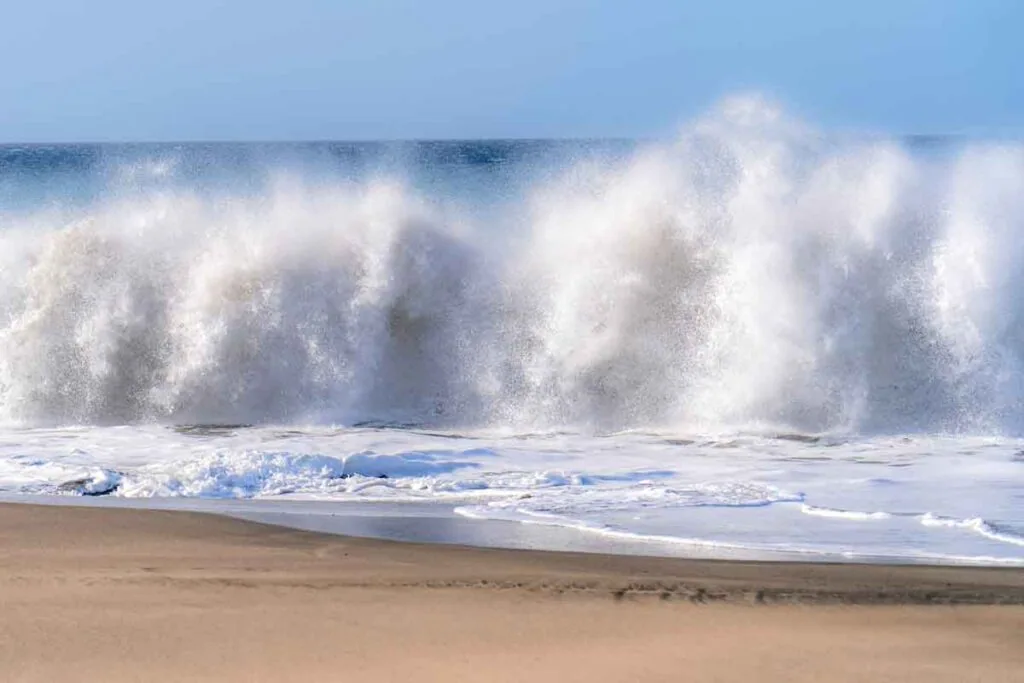
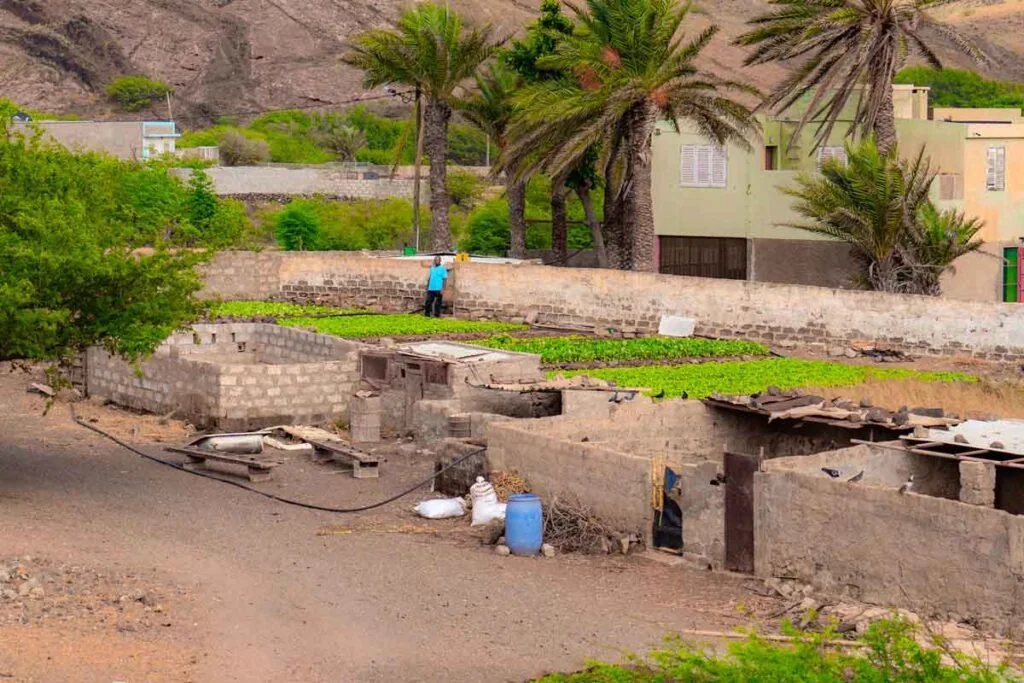
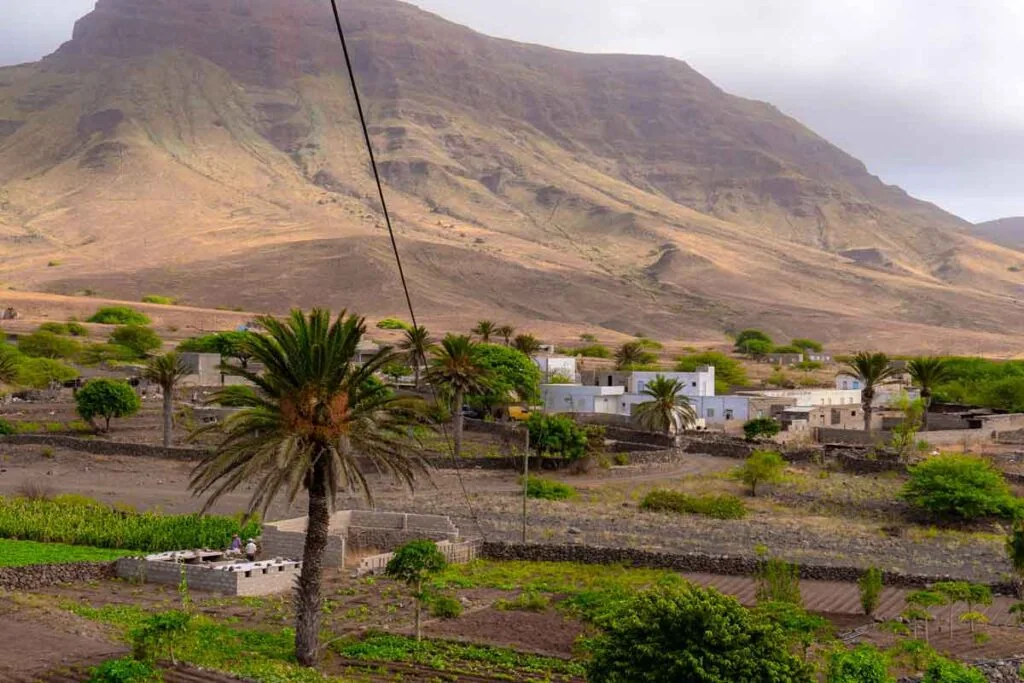
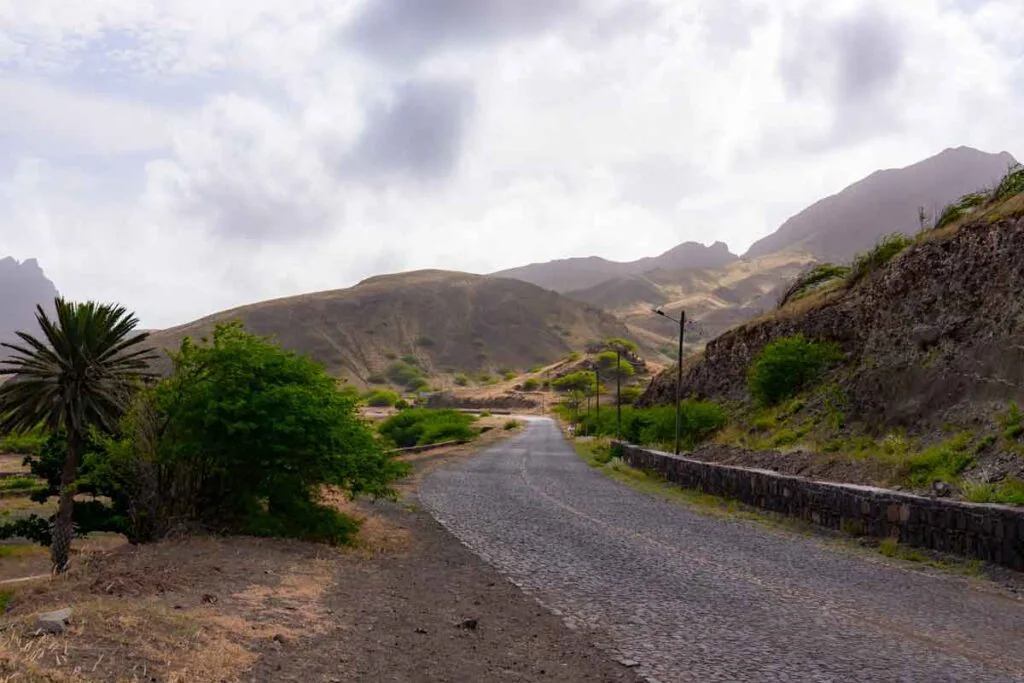
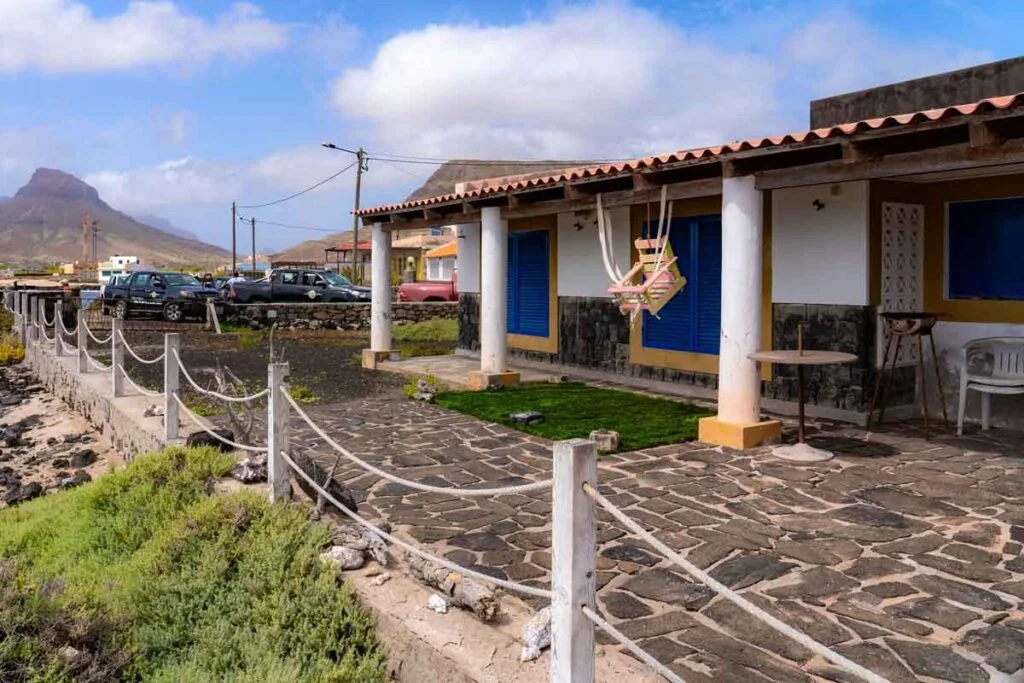
We set off on an excursion across the island. Driving off-road, we first reach the edge of a farming settlement. Traditional, simple and peaceful: there is not much more to say. Without the power lines, you could almost imagine you had travelled 100 years back in time.
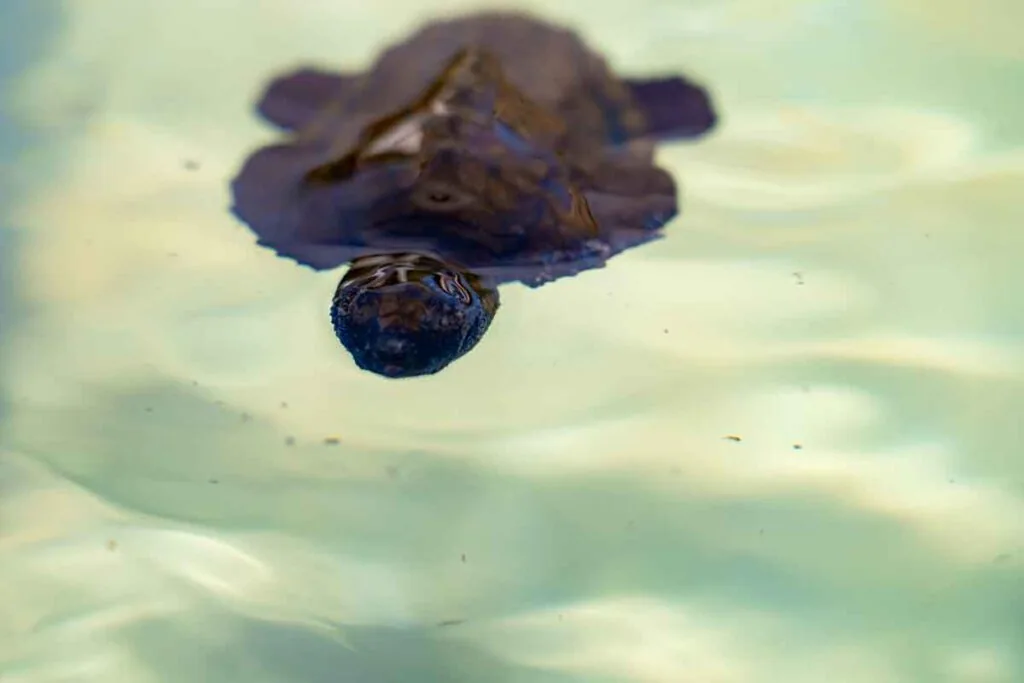
Our next stop is the fishing village of Calhau. There is a small rehabilitation centre here for turtles that local fishermen have accidentally injured or found already injured.
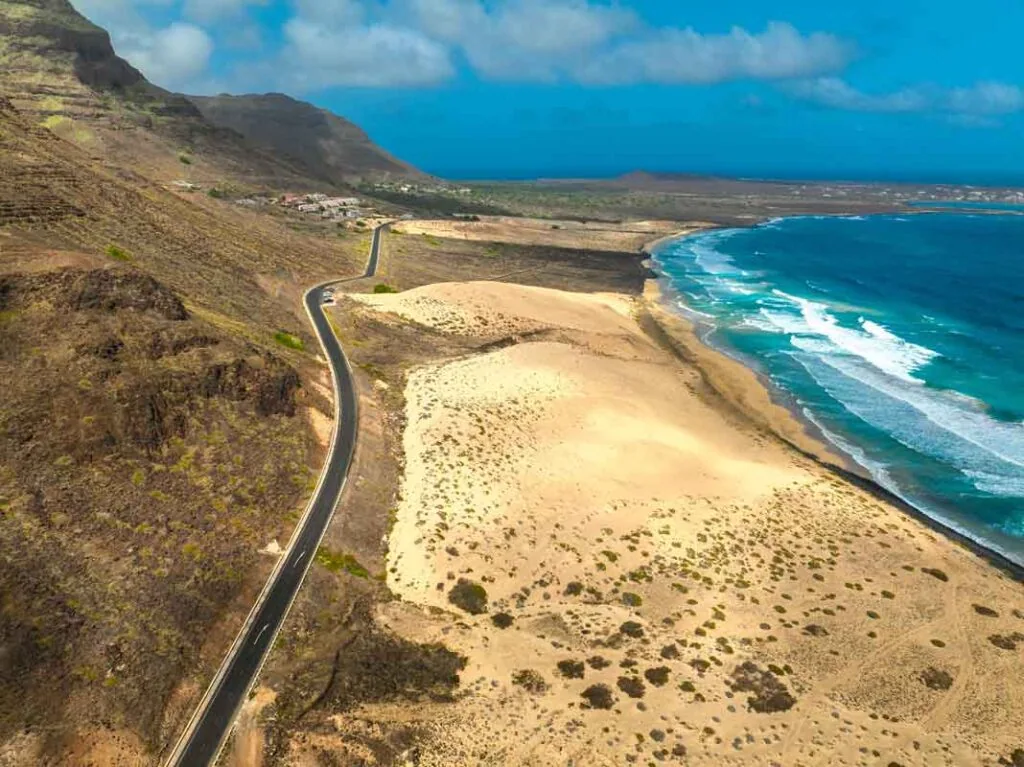
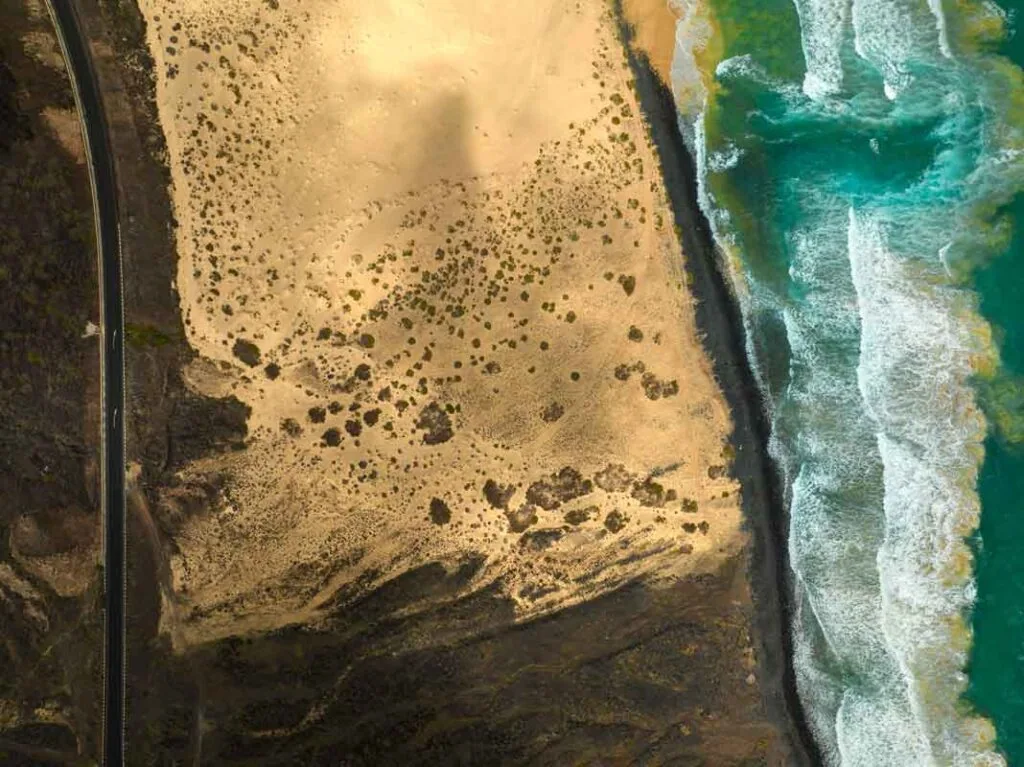
For me, the scenic highlight of the island was the dunes on the way back to Mindelo. The picturesque coastal road runs between sand dunes and mountain ranges. The beach sand is fine and black; you could certainly spend an afternoon here, even if I am not the biggest fan of beach holidays.
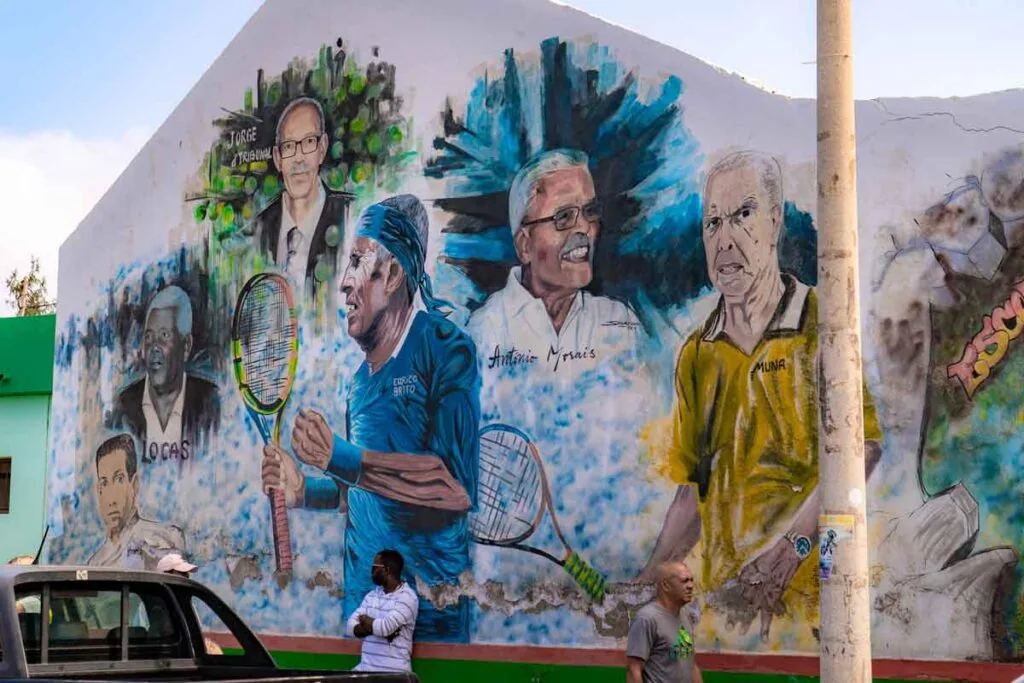
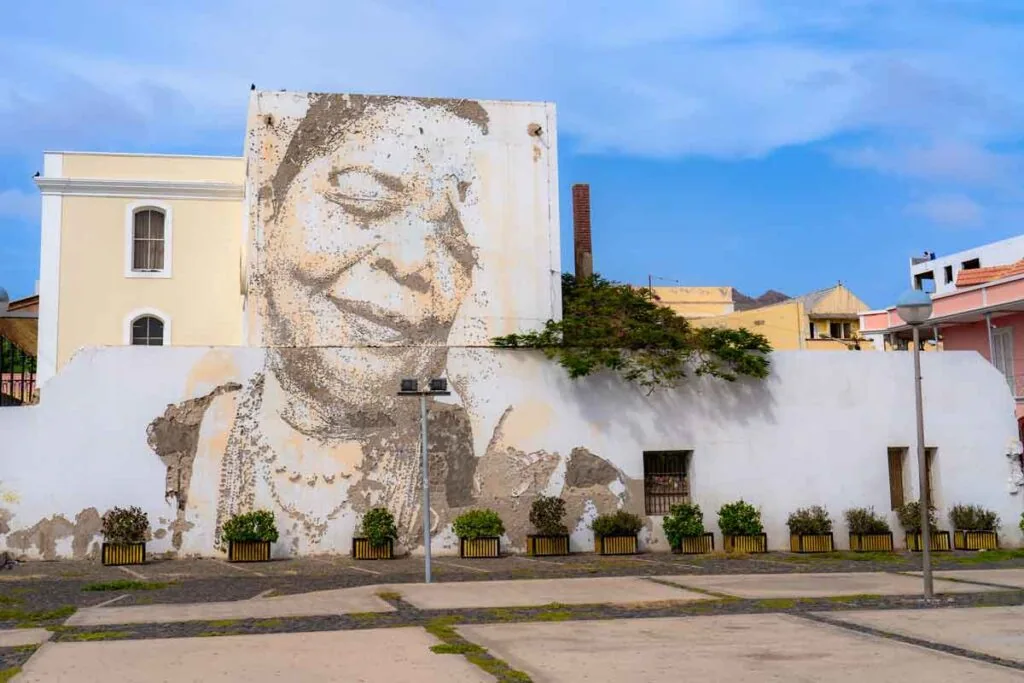
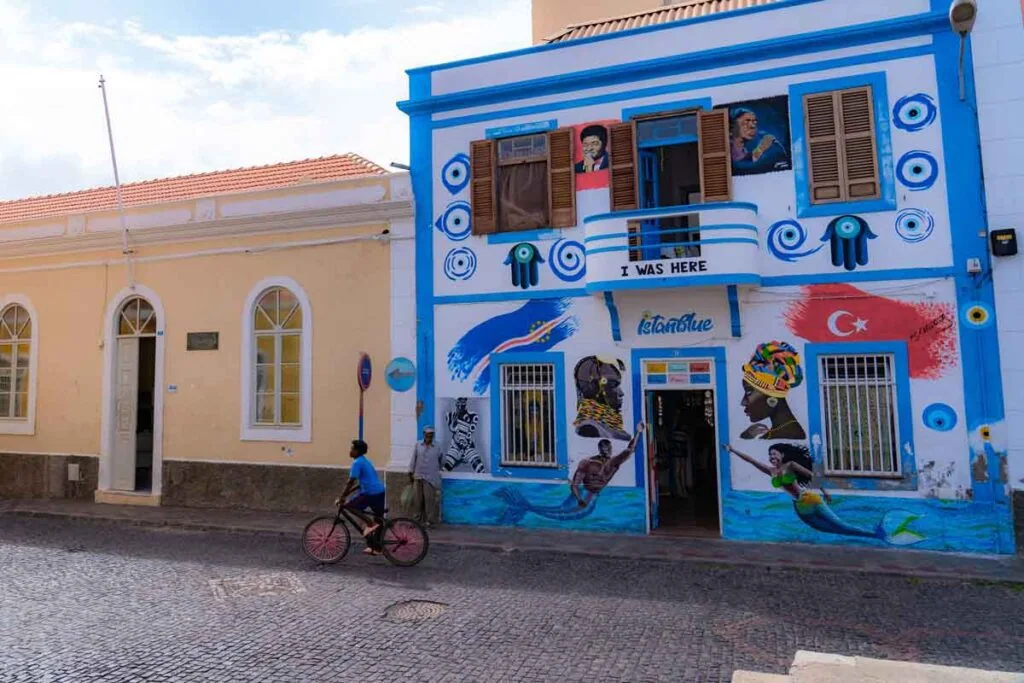
Back in the capital, Mindelo, there is street art painted on walls around many corners: illustrations of the local sports club's tennis legends, local women immortalised in crumbling plaster, and colourful boutiques in the town centre.
I meet a group of teenagers who immediately want to show me their best bicycle tricks. During our conversation, I learn that they are on their school holidays too, for four weeks. In autumn? Well, I did not ask any further…
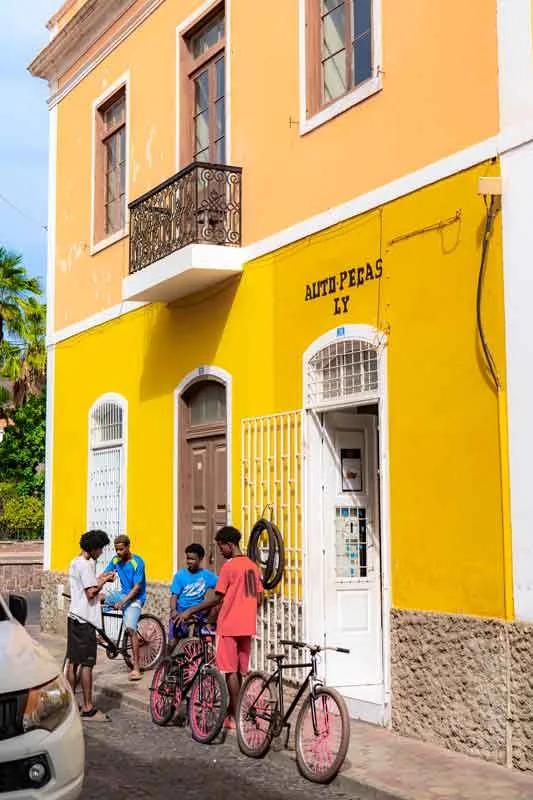
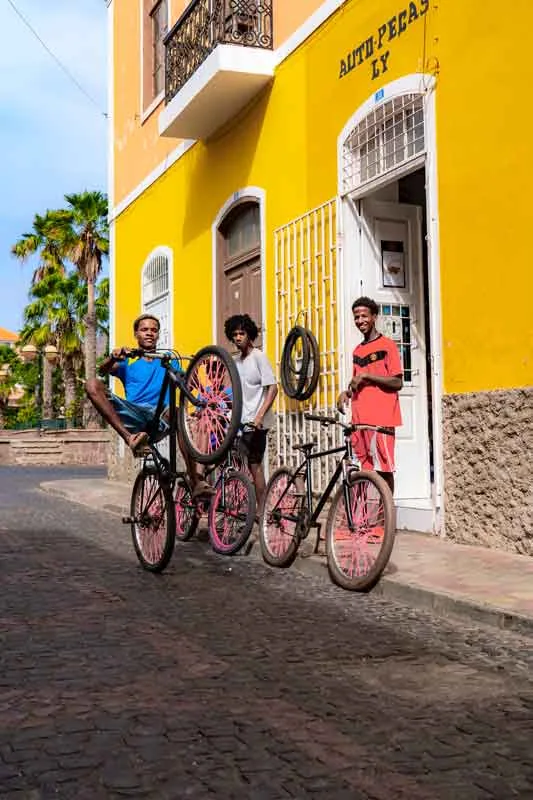
The boys cycle off towards the town centre, first recommending the traditional market. Here, local artists can sell carved wooden masks, woven hats and handmade magnets. I can wholeheartedly recommend the market.
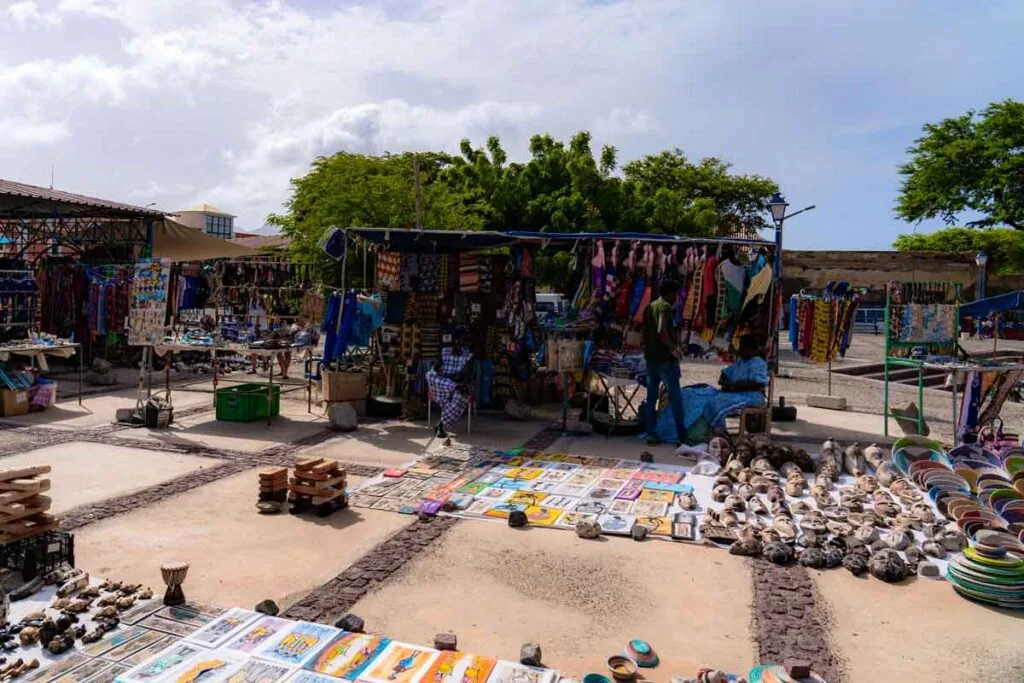
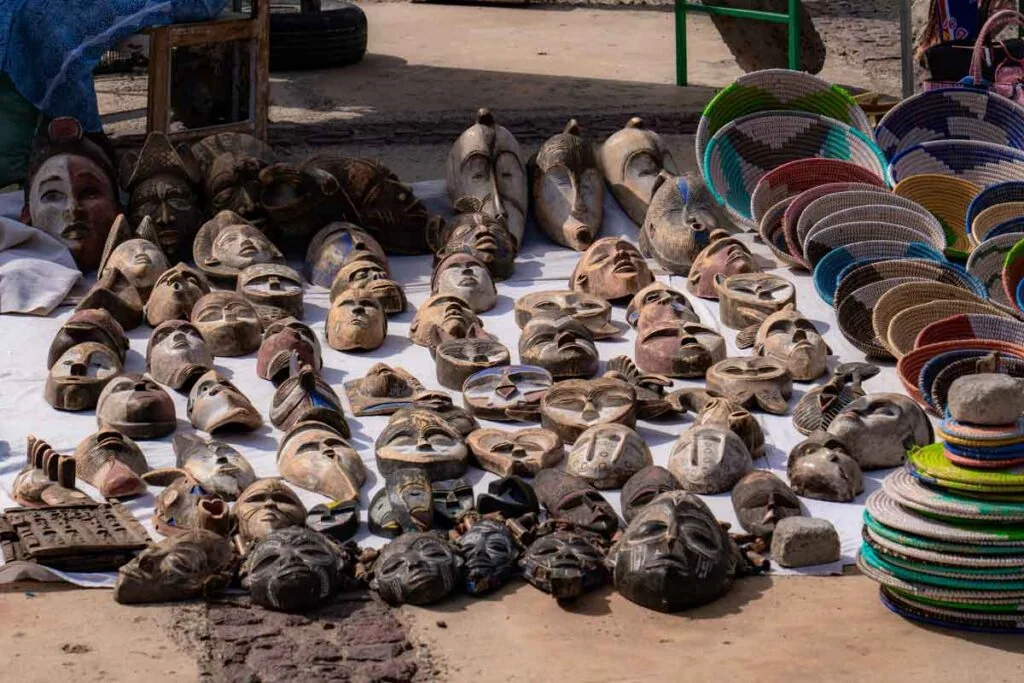
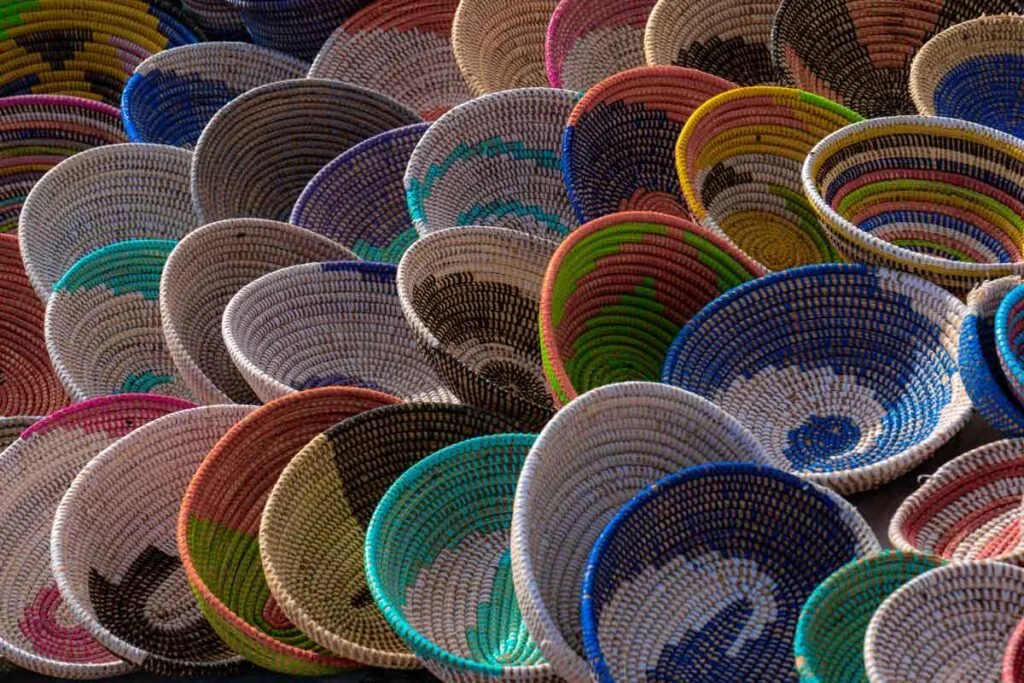
But a word of warning:
You should be careful around the people begging here. One man asked me for milk for his baby. As he was not asking for money, I gave in and wanted to help. But in the supermarket at the edge of the market square, he then insisted that I buy a 10-kilogram sack of milk powder for €43. The cashier explained that this was a common trick among local beggars, who simply resold the sack afterwards. When I left the market, four more young men were waiting for me. I only managed to lose them by sitting down in a bar for one last local beer.
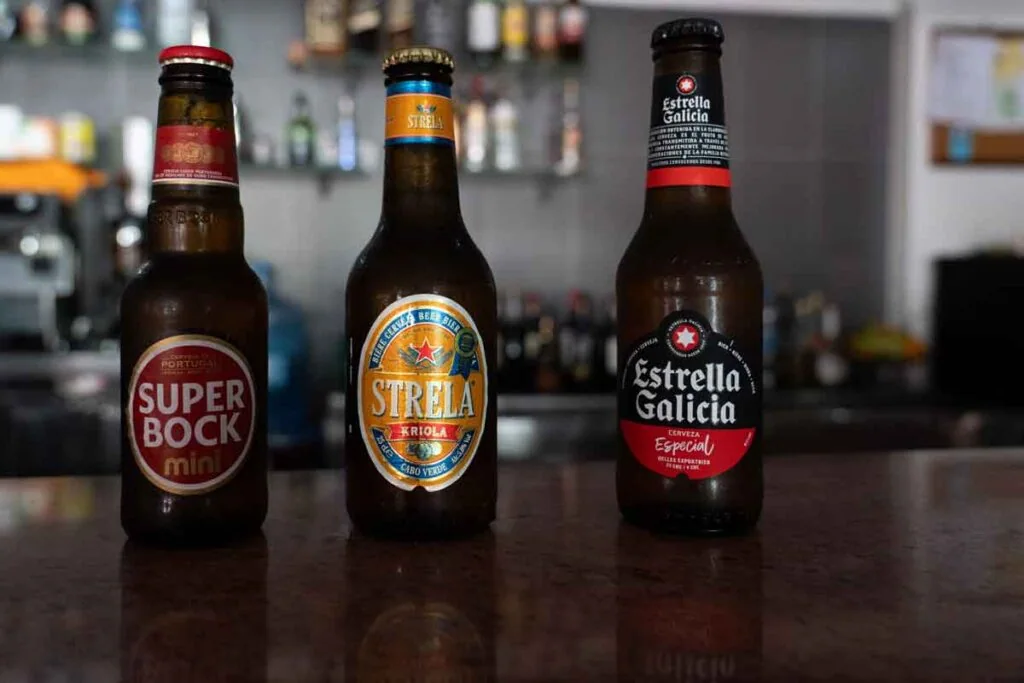
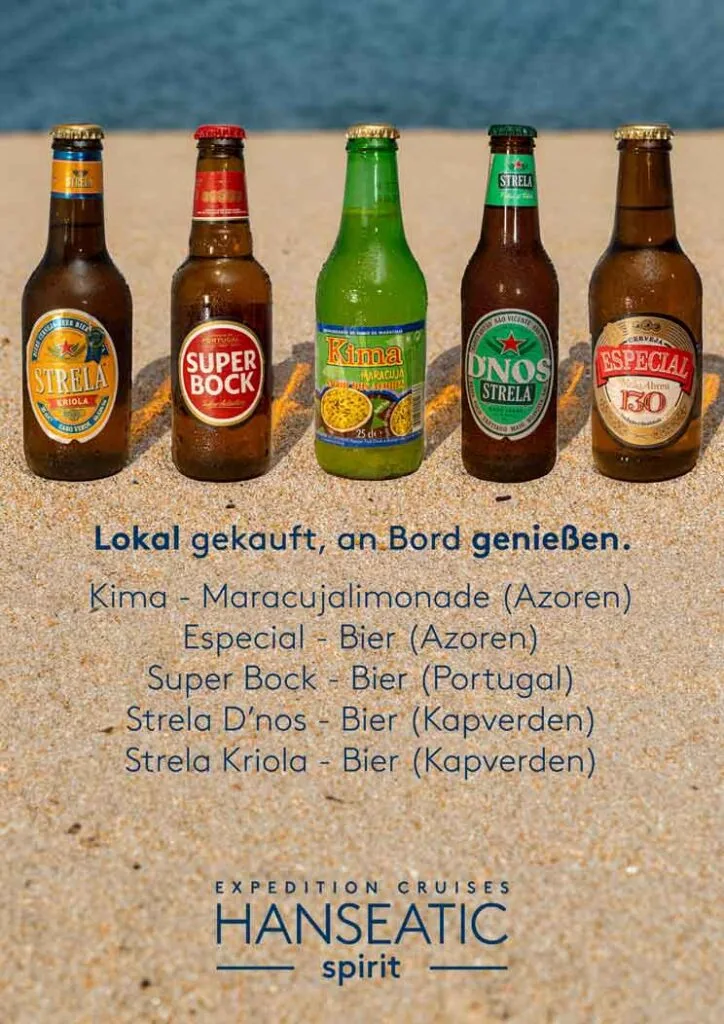
Incidentally, back on board I learned that the ship had also bought the local beer for its guests. In situations like this, one of my jobs is sometimes to create advertising posters such as the following. Of course, I first had to photograph and cut out each bottle individually:
São Nicolao, Cape Verde / 28 October 2023
In the harbour of São Nicolau, the guests of Hanseatic Spirit once again go ashore by tender. A tender boat can carry 150 people when fully loaded. With a maximum of 200 passengers, everyone can potentially be ashore within 30 minutes, depending on the tender route.
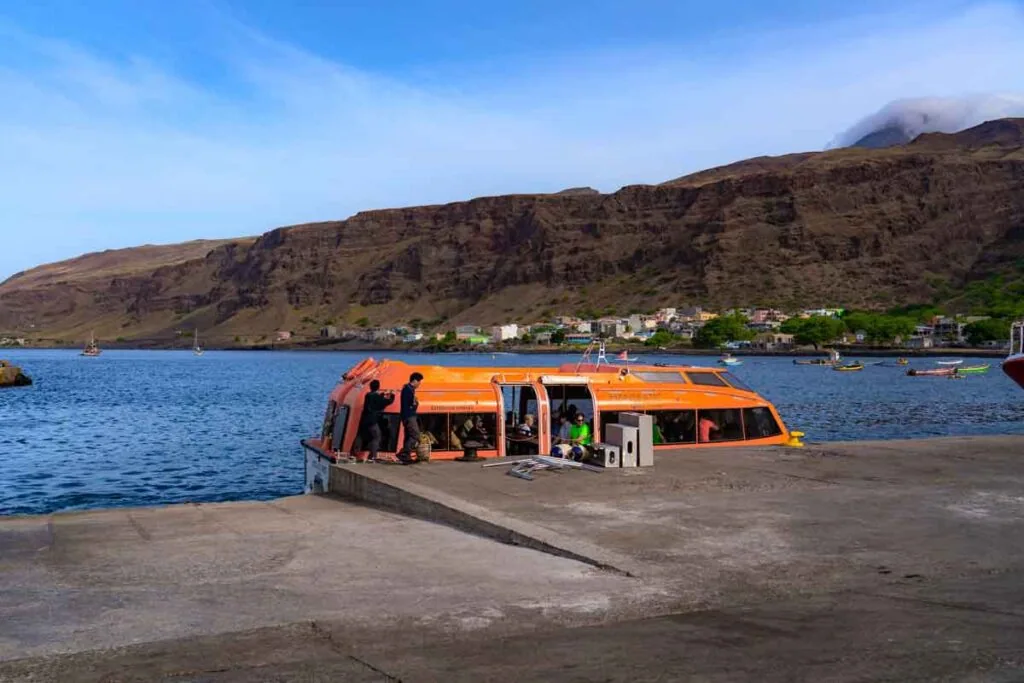
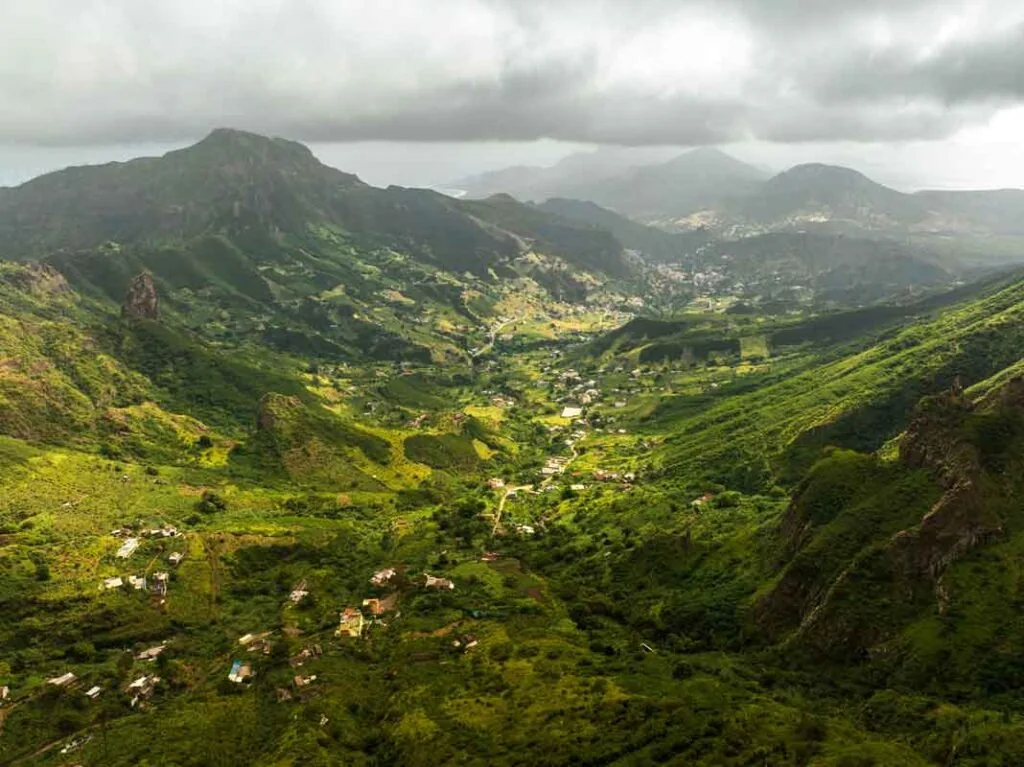
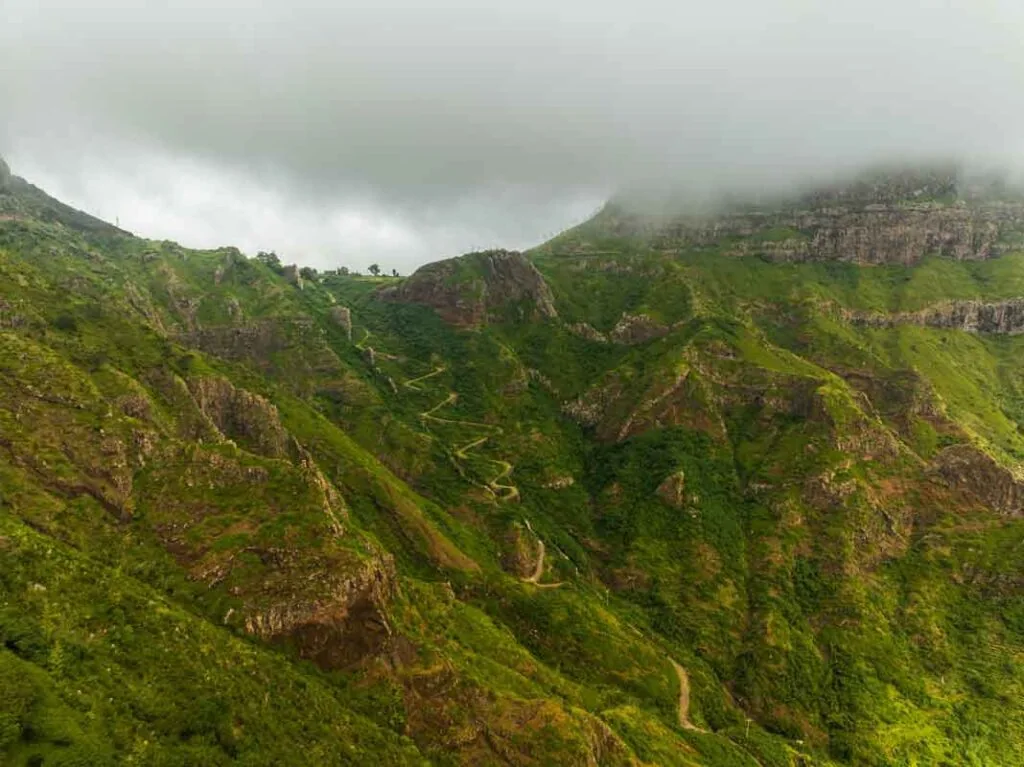
São Nicolau brings us back to greener scenery. Our first photo stop in the highlands reveals what may be Cape Verde's most beautiful hiking trail, winding down the mountainside in a series of hairpin turns.
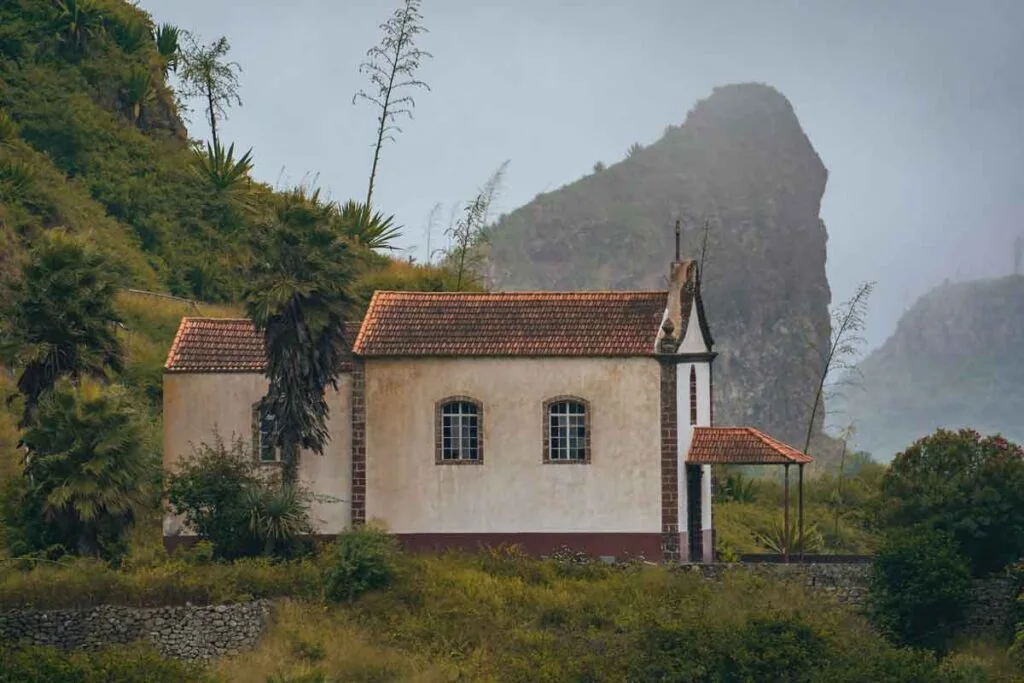
A little further away is a small church, where I could not decide which editing style I liked better: mysterious and dark, or high-contrast? The drone delivered a richer image from the start because, unlike me, it was not in the fog.
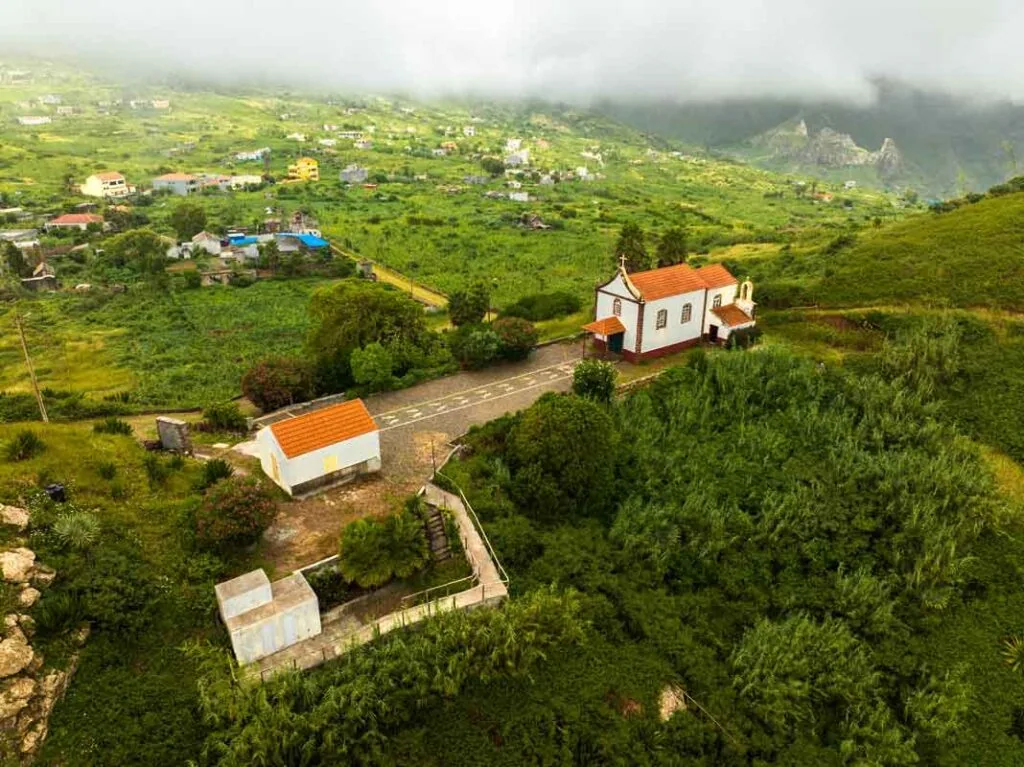
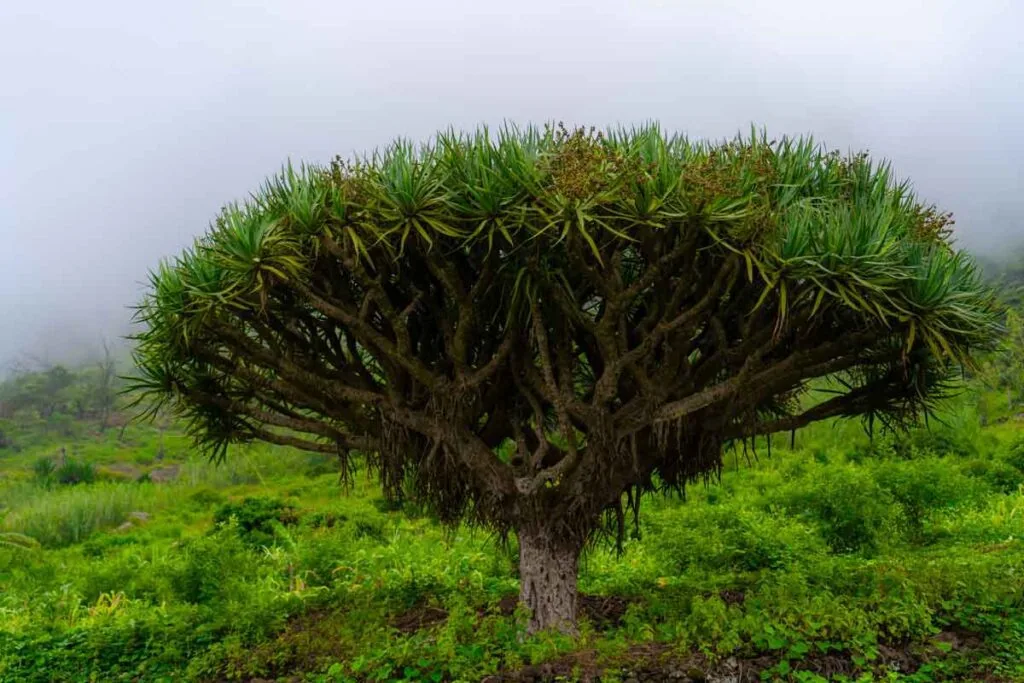
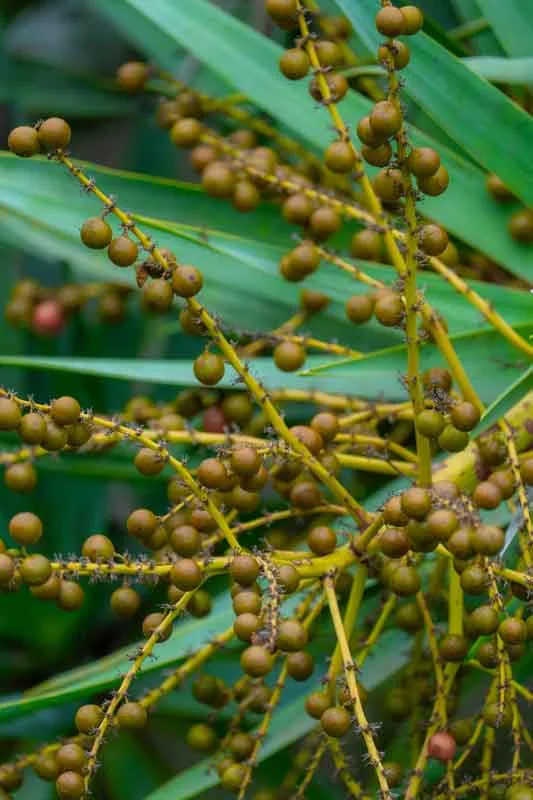
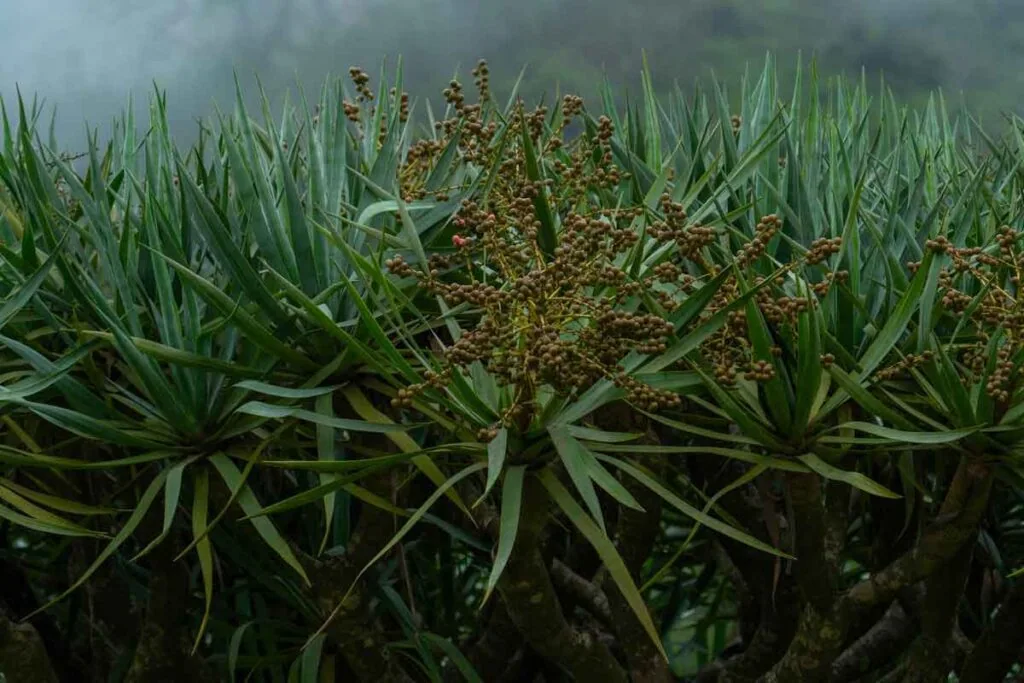
Around the church, we find many Canary Island dragon trees, which grow not only in the Canary Islands but also on Socotra, an island belonging to Yemen. There are also plenty of fruit clusters around the trees, but the berries are inedible for humans.
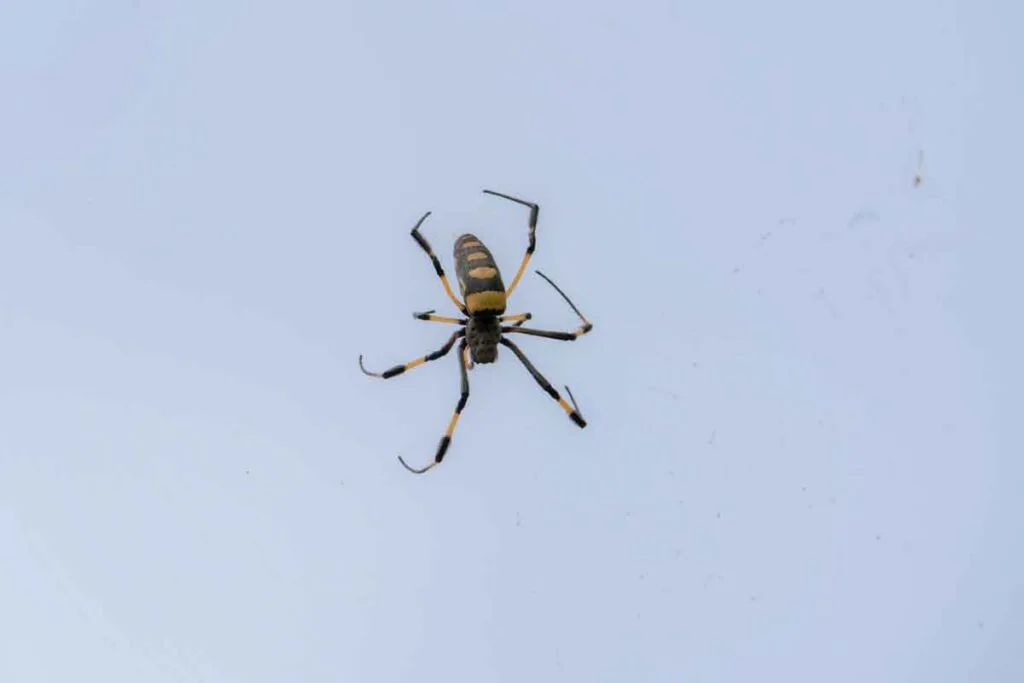
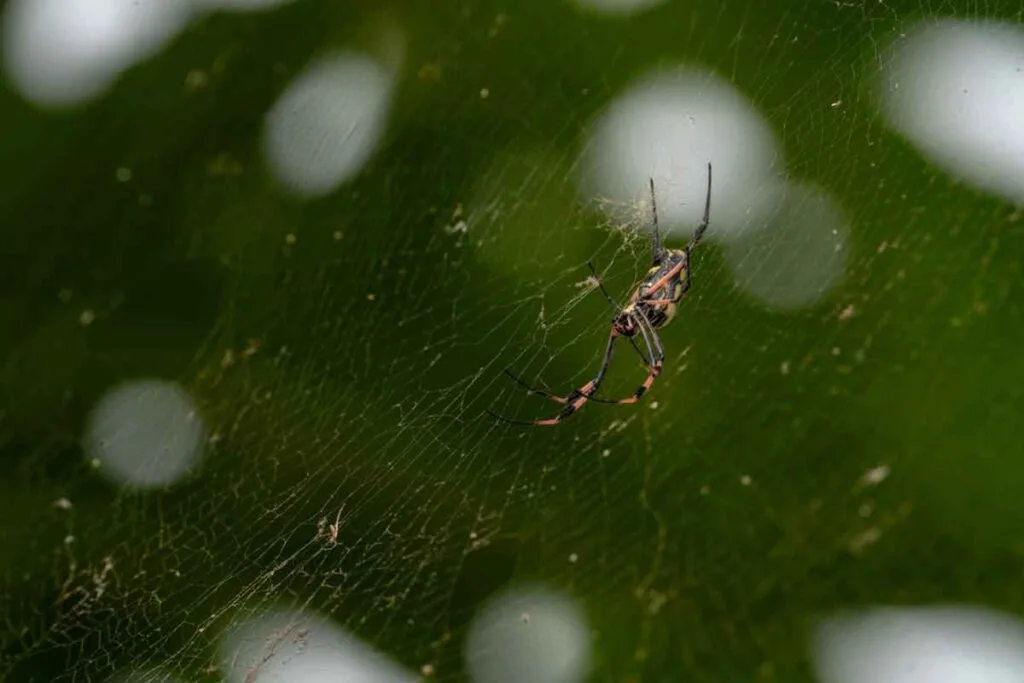
One animal found here is the wasp spider. Apart from its legs, it looks like a wasp, but it has no sting. Its colouring simply serves to deter predators.
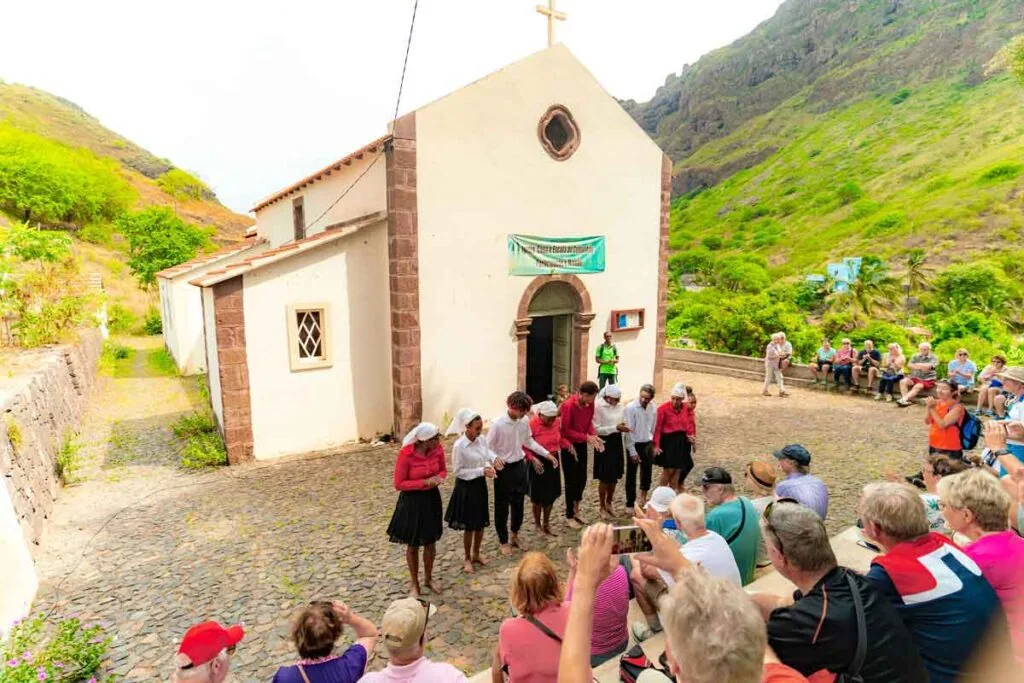
After a short walk, we reach a church. In front of it, local people perform “folklore”, a traditional folk dance.
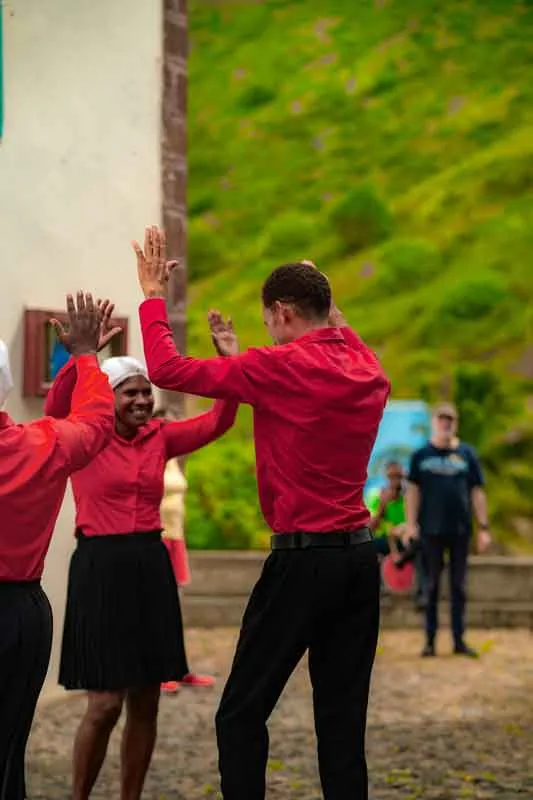
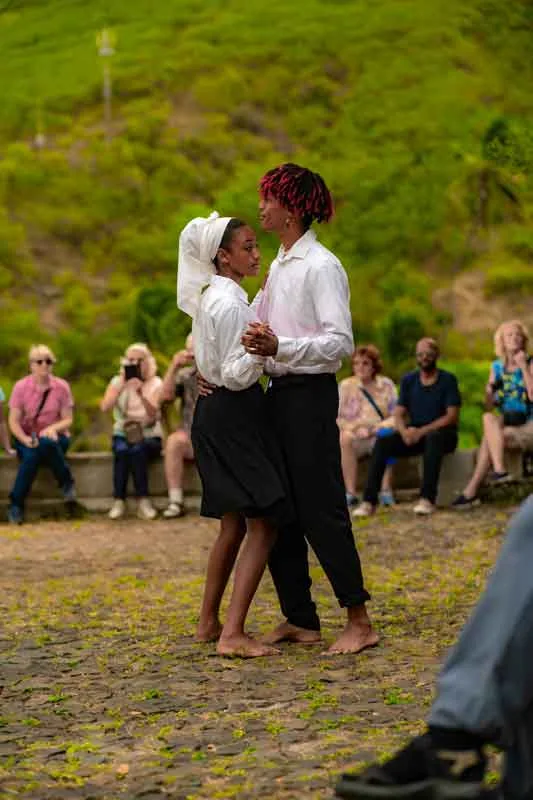
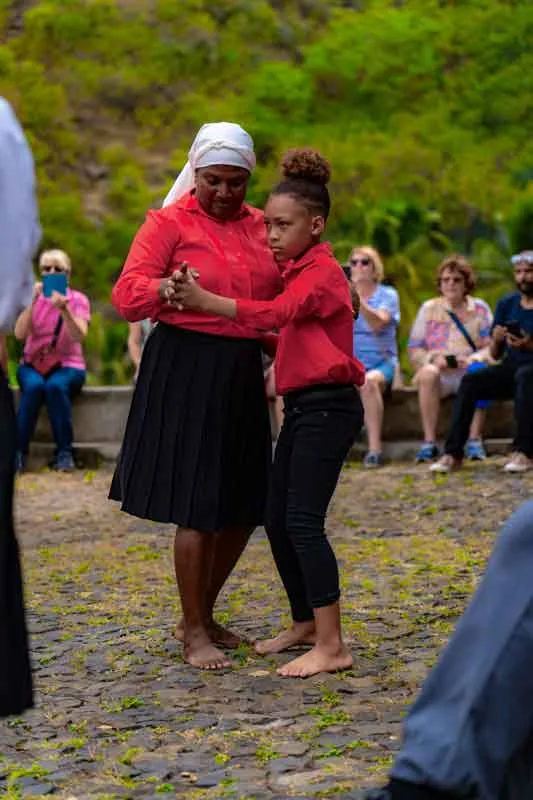
It made me very happy that so many guests donated generously at the end of the performance. More than €500 was collected from just 60 guests. With a daily wage of €7–8 here, that money will certainly go a long way and is in the right hands.
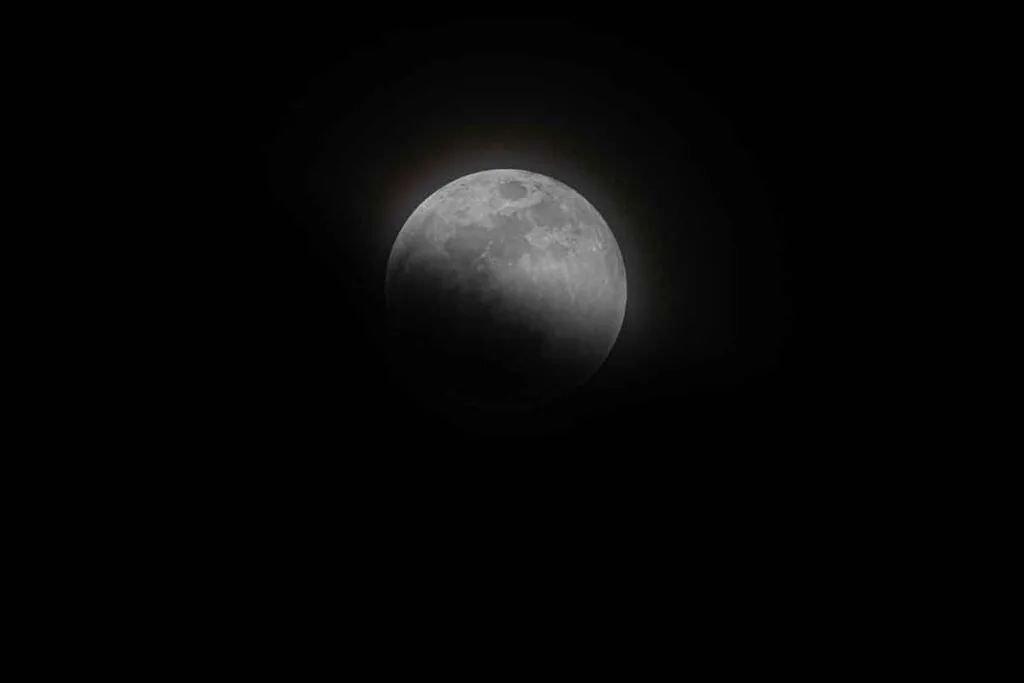
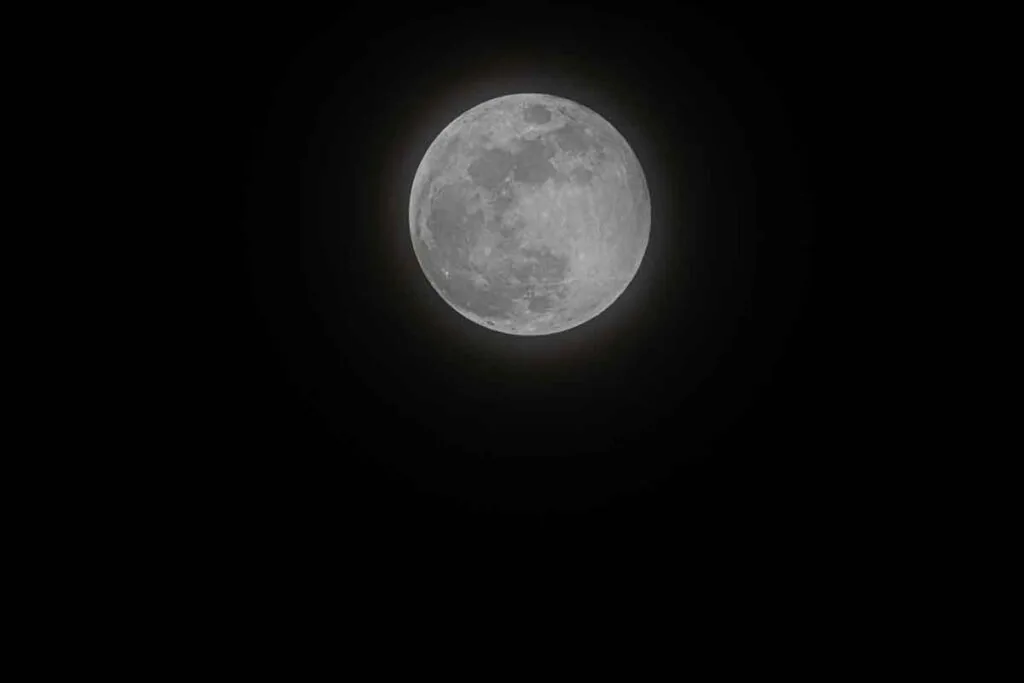
That night, we were also able to watch a partial lunar eclipse from the ship.
Boa Vista, Cape Verde / 29 October 2023
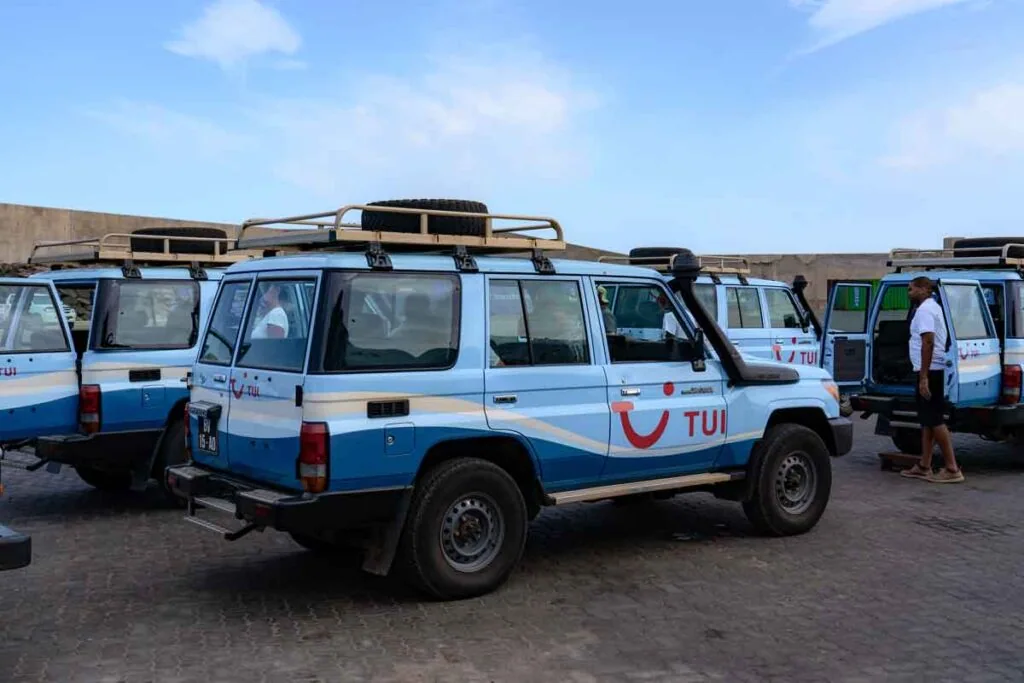
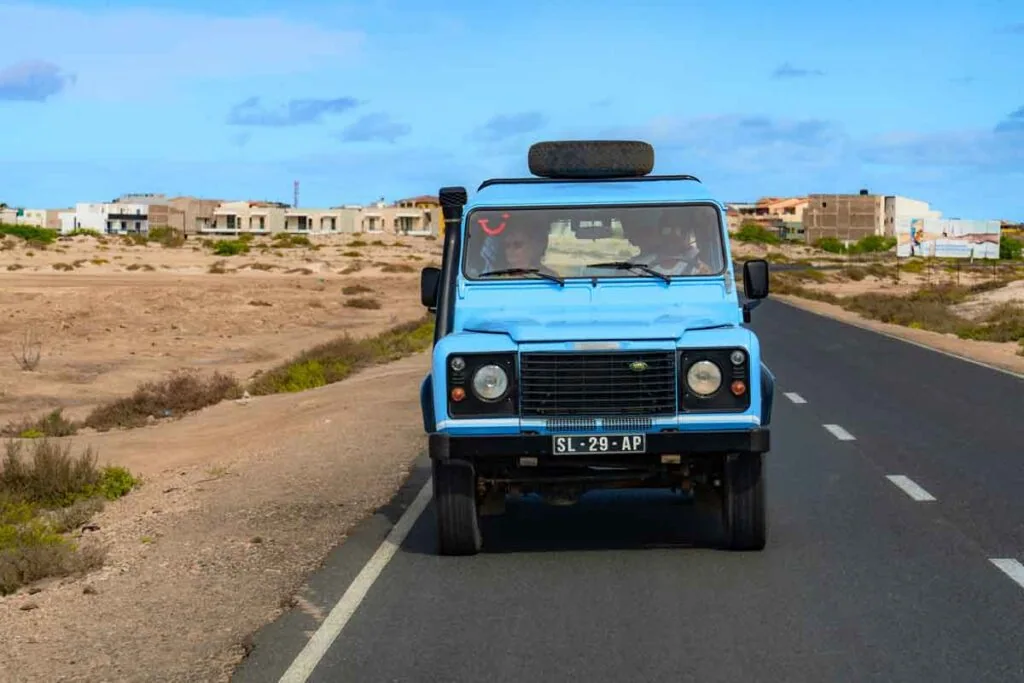
Today, we are on the island of Boa Vista. As this island has effectively been bought up by TUI, we are greeted at the pier by blue vehicles bearing the familiar “smile” logo. TUI controls more than 70% of tourism on the island. Among other things, the company financed the island's only airport in 1973 and is still involved in its operation through Infraero. We are in the harbour of Sal Rei, where an off-road safari through the villages and dune belt begins.
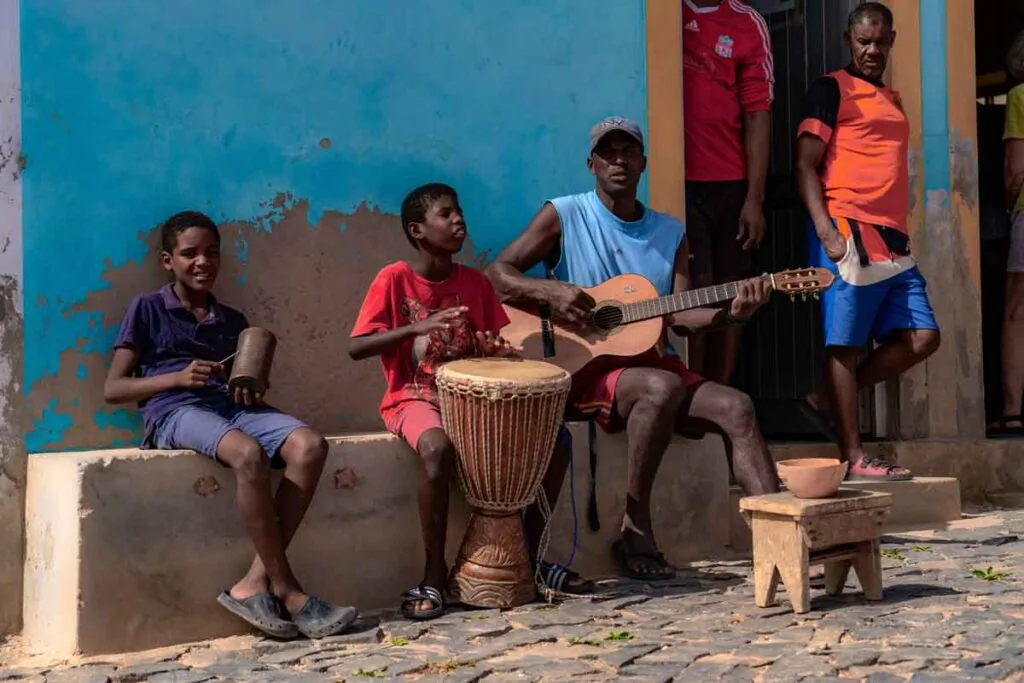
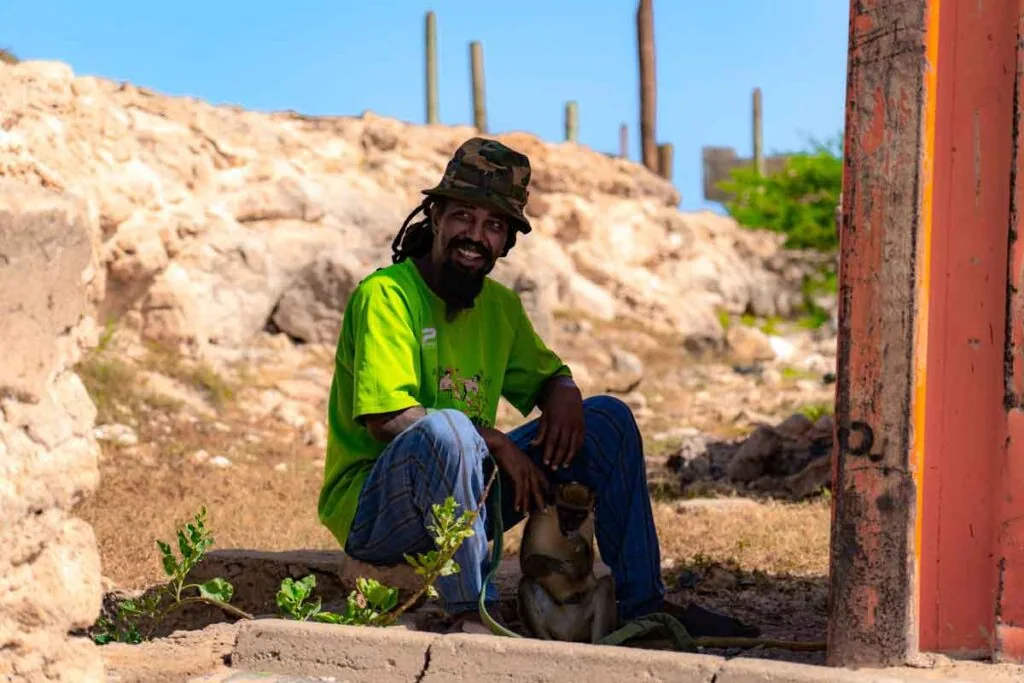
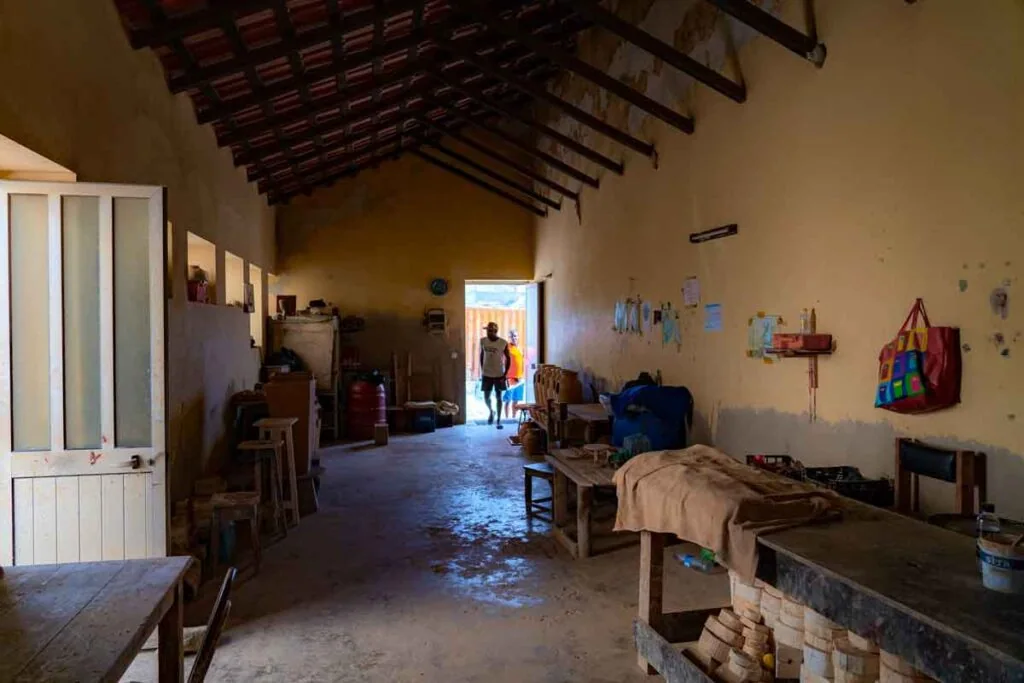
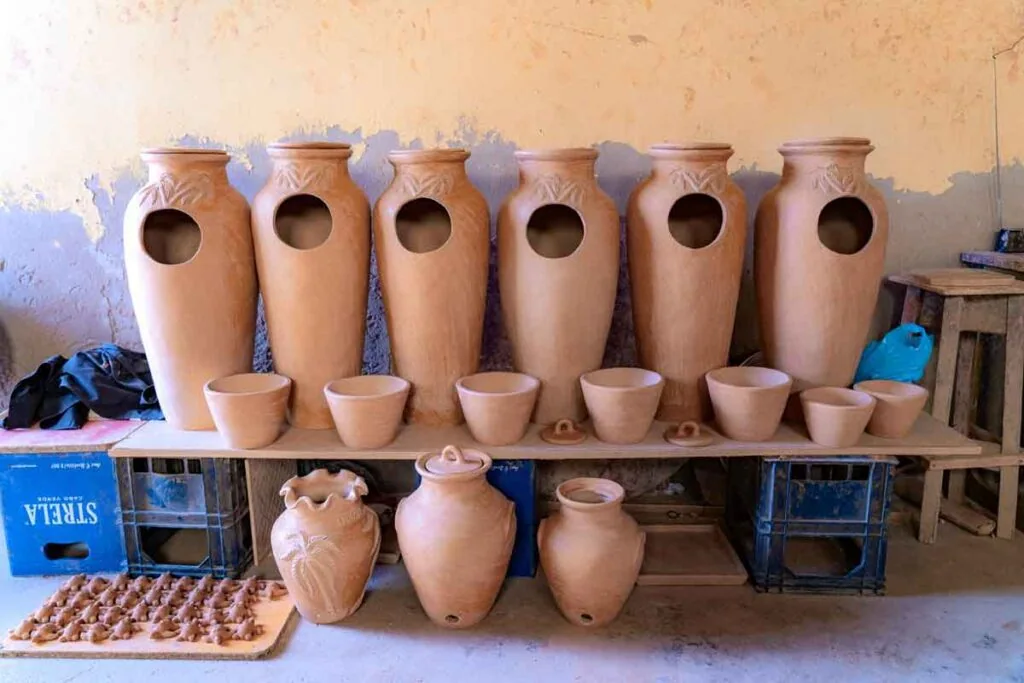
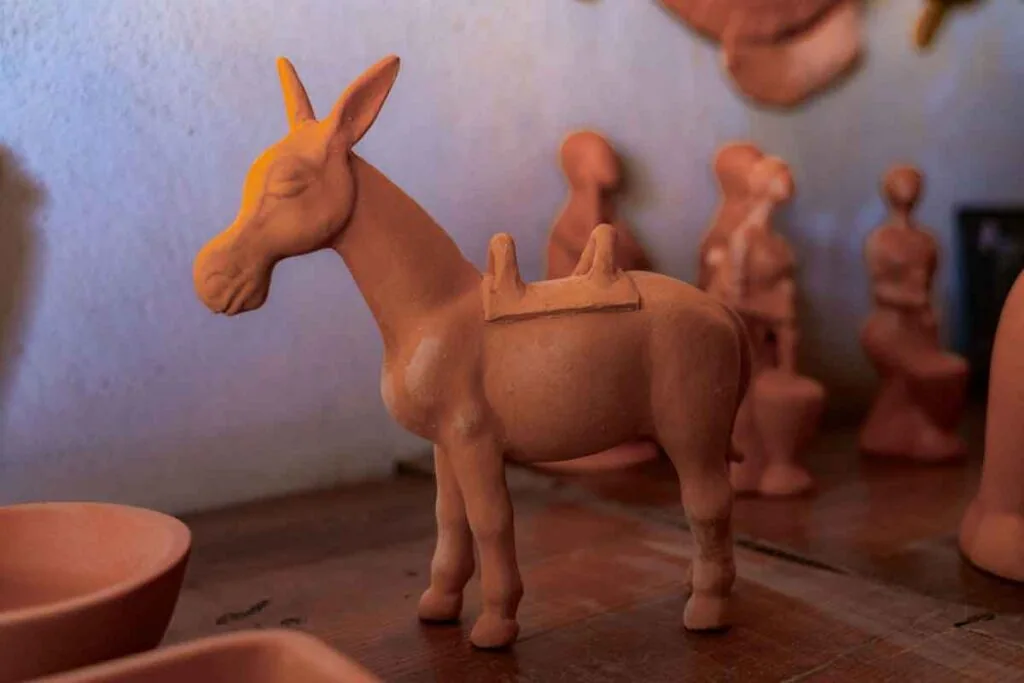
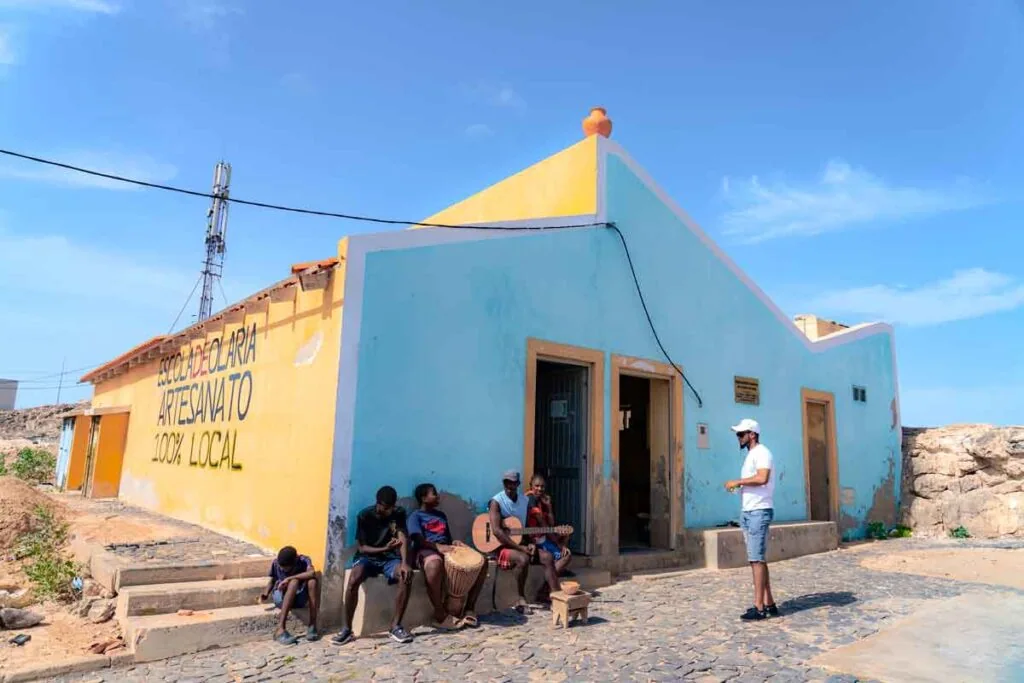
Our first stop is a pottery school in Rabil. A local band plays music outside the entrance; directly opposite, a man sits by the roadside with a monkey on a lead.
Inside the school, we find plenty of local handicrafts, from donkeys and vases to everyday items such as plates and cups. The pottery school has been a personal community project of the ship's geologist, Hajo Lauenstein, for several years. He surprises everyone on the excursion with a €10 voucher so they can choose a little something. Most guests nevertheless pay for the products themselves and add the voucher as a donation to the school.
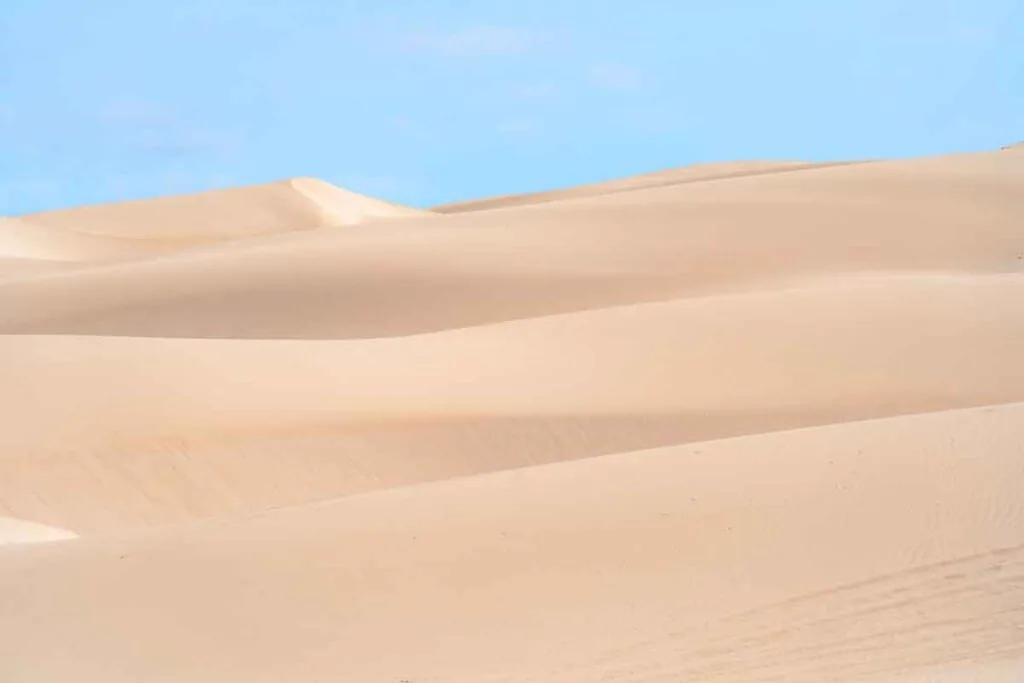
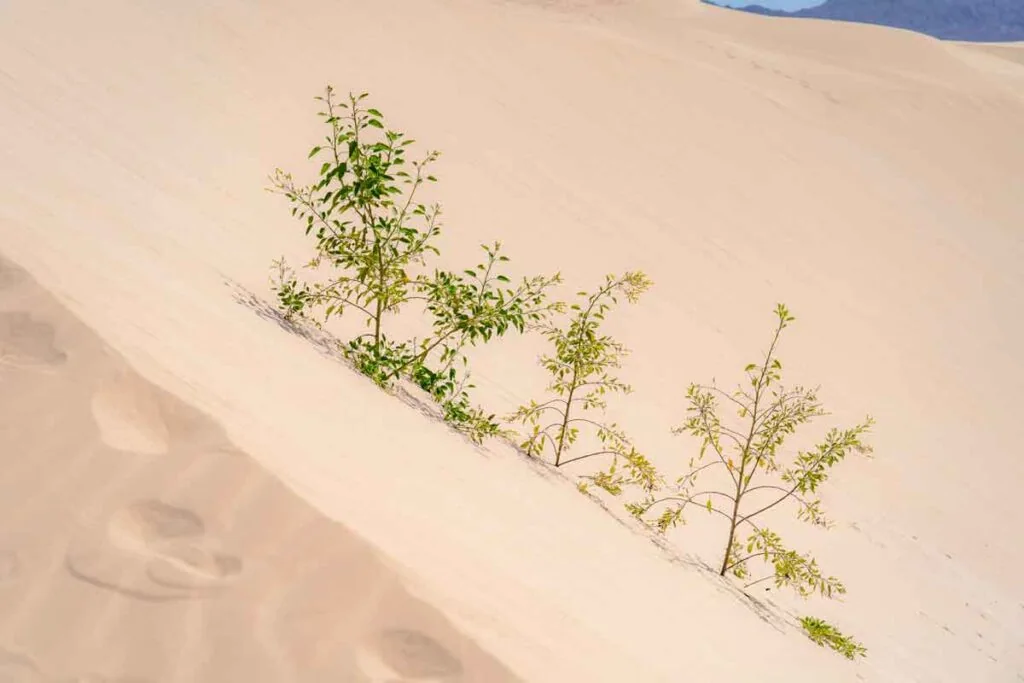
Now the real action begins. We drive into the Viana dune belt. This desert-like landscape is essentially a huge, shifting dune in the centre of the island that moves every year.
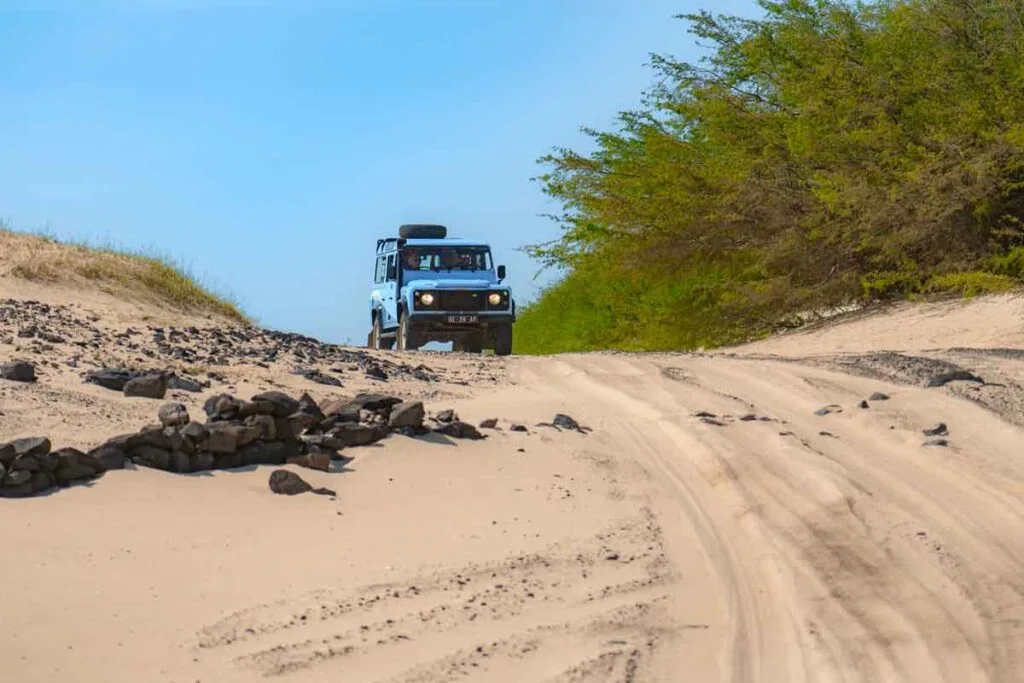
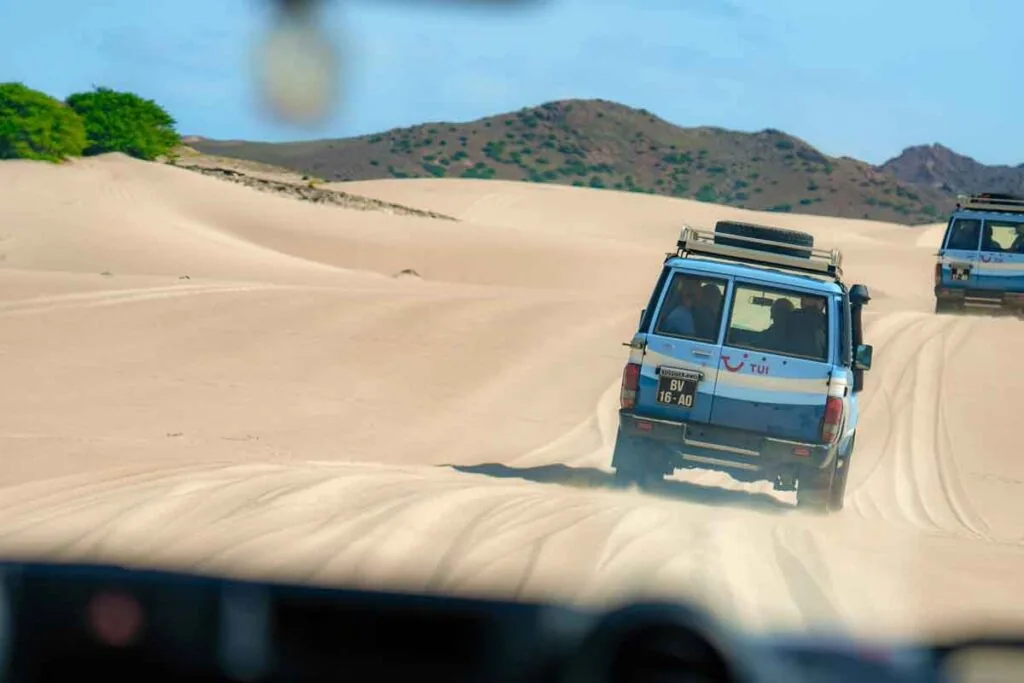
Today, there are no other tourists here, making the landscape even more spectacular. We begin a geological walk through the dunes, barefoot. The sand is pleasantly warm, although you should protect yourself from the sun. With a little luck, you can even recreate the Windows XP wallpaper here, just with sand instead of grass.
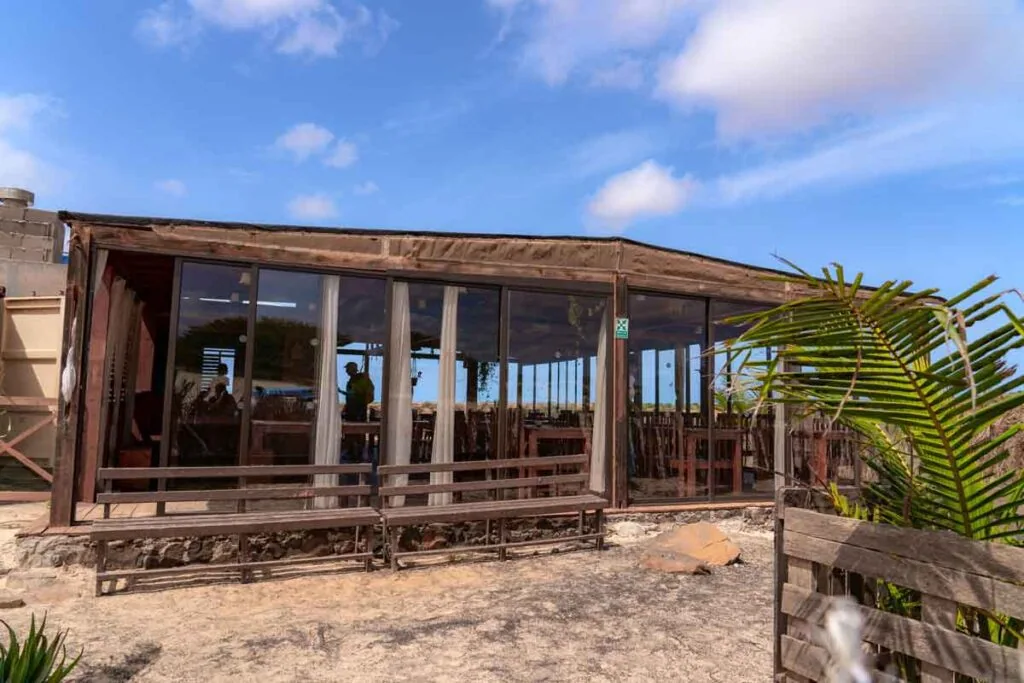
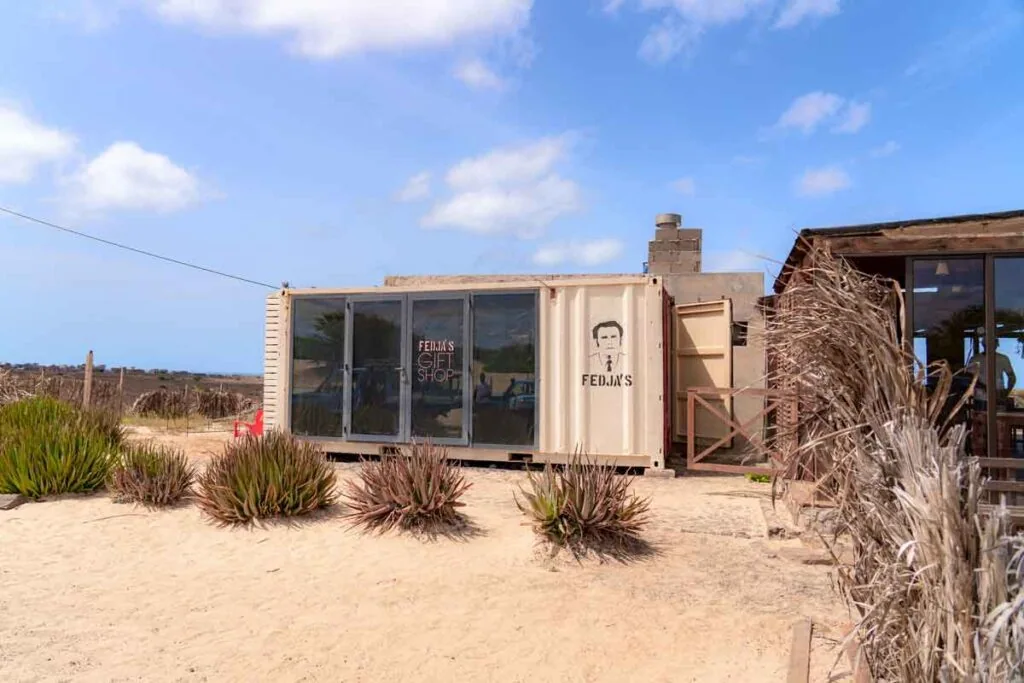
On the edge of the dunes is a quiet little café with an adjoining souvenir shop. The guests enjoy their lunch break here over a local beer, or perhaps two.
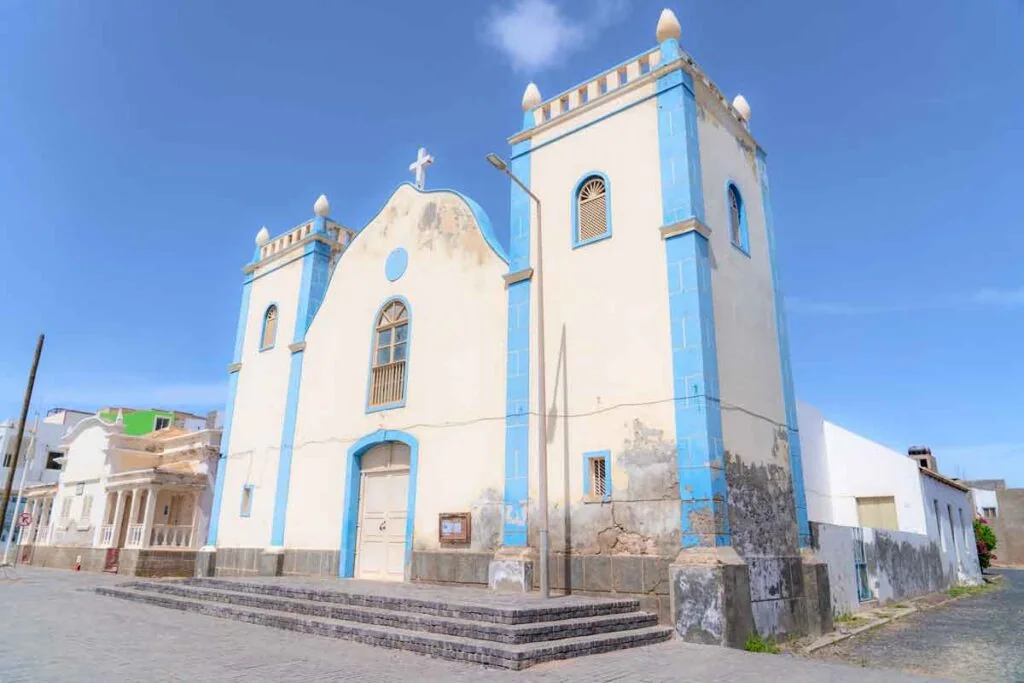
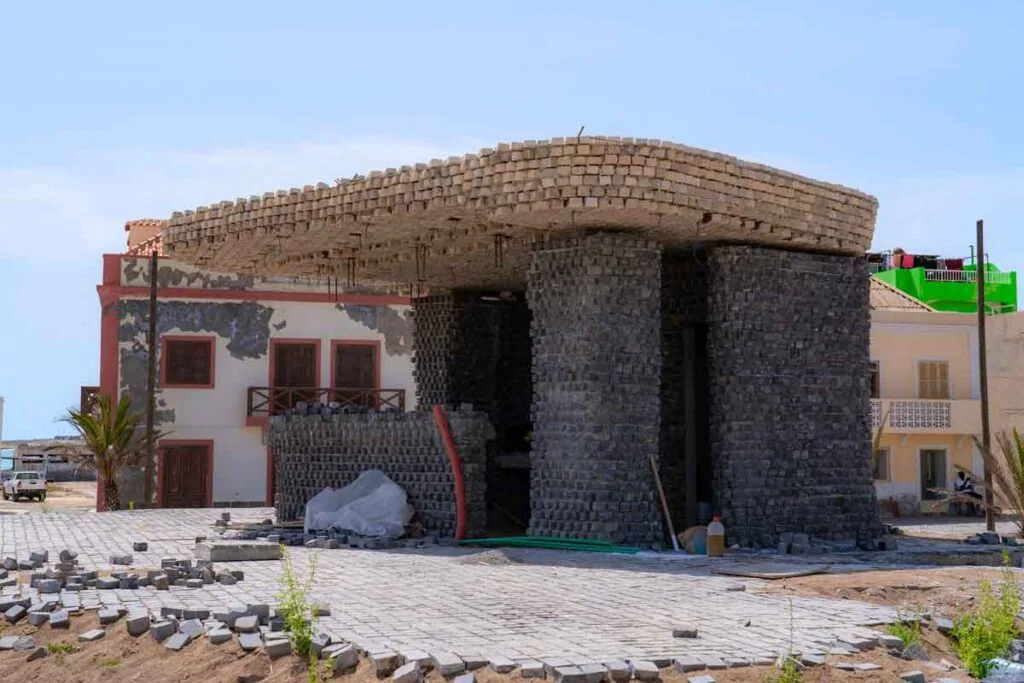
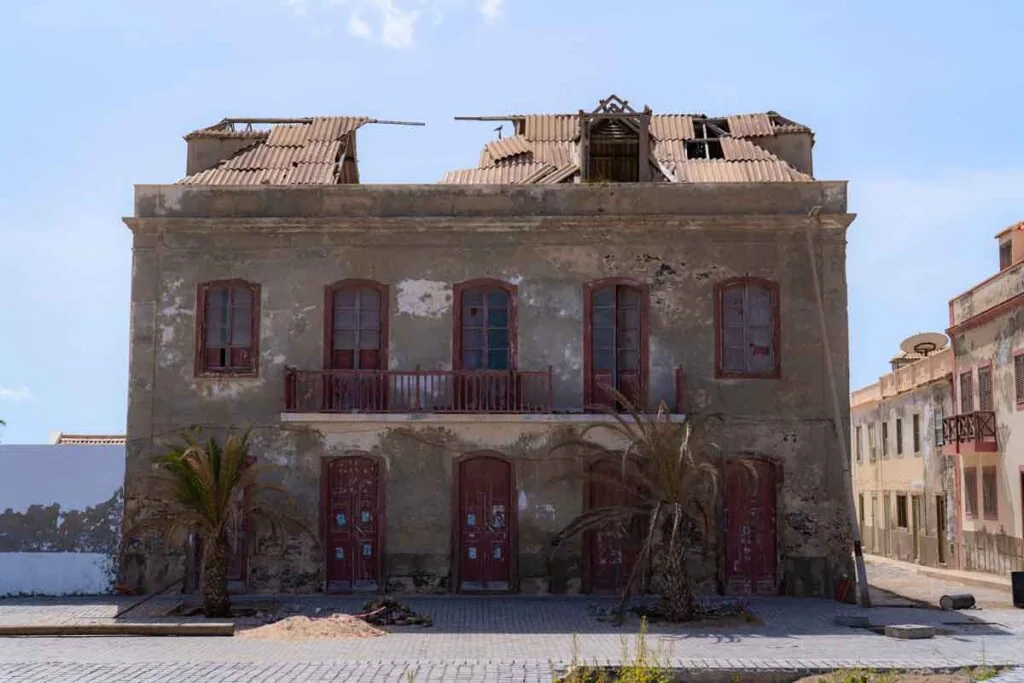
On the way back, we also stop at Sal Rei's market square, which unfortunately presents a sorry sight. The square should have become the island's cultural centre long ago, but renovation work is progressing very slowly. As access to the square is difficult during the work, many shops have had to close and are falling into disrepair.
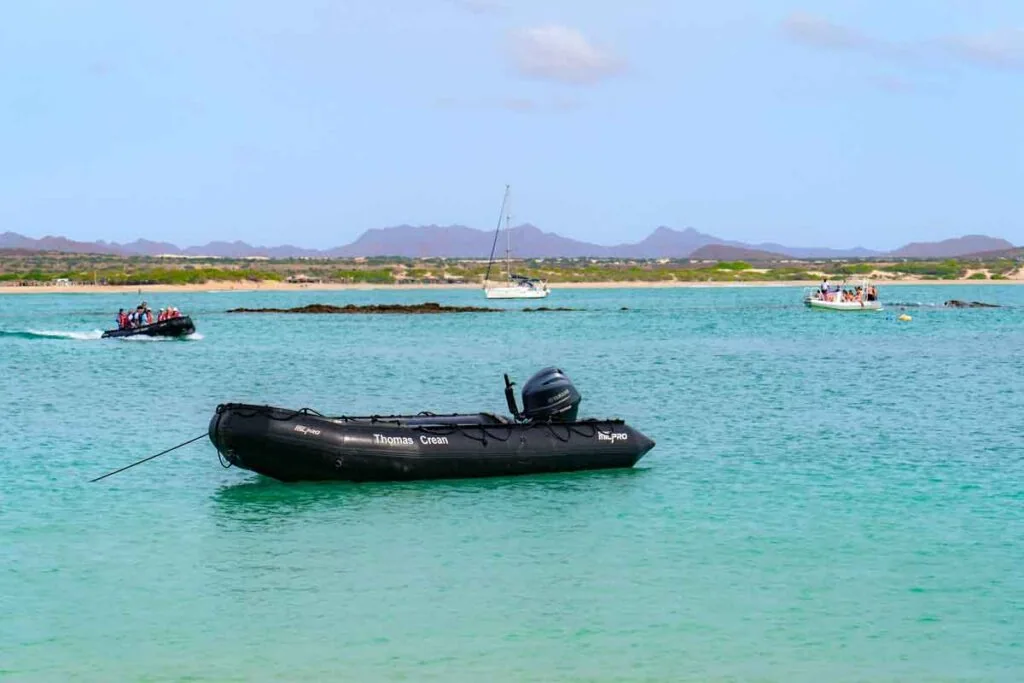
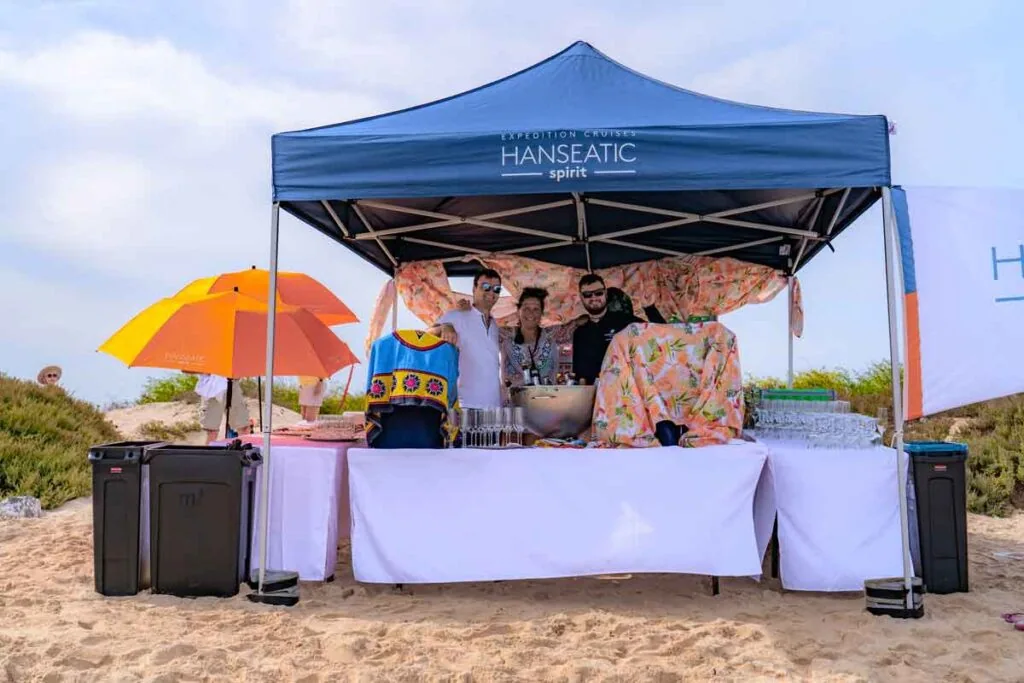
Back on the ship, a surprise is announced: we will take our Zodiacs to the nearby island of Isla de Sal Rei and spend a quiet, relaxing afternoon on the beach. The hotel department has also set up a stand with cake, snacks and chilled drinks.
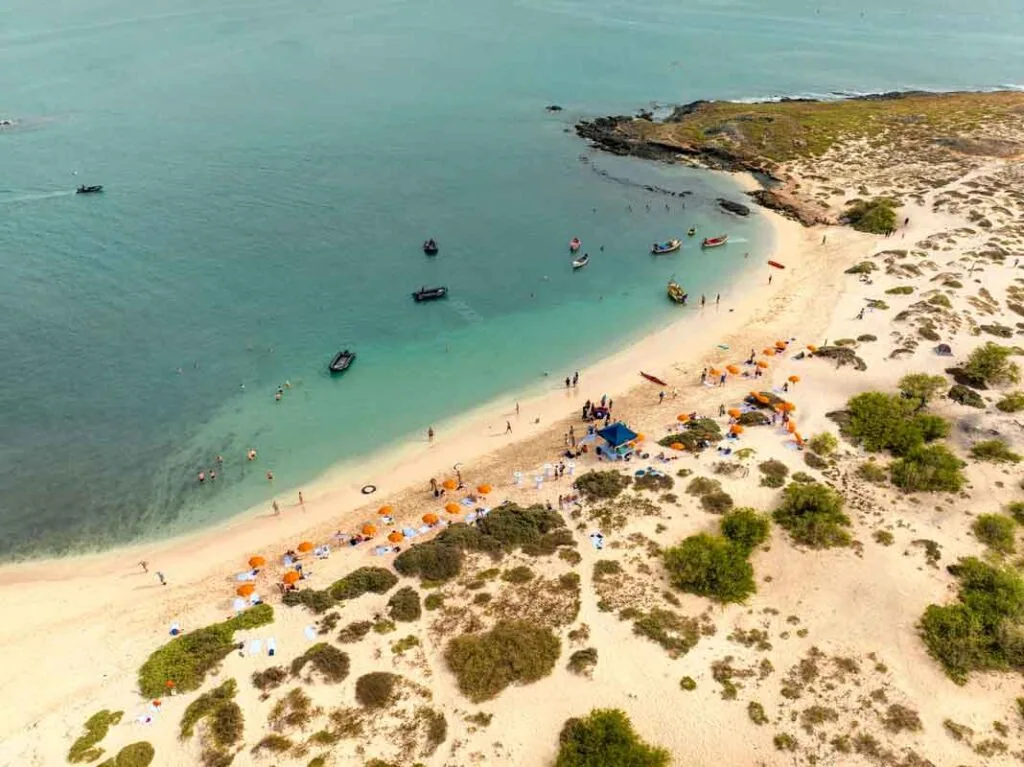
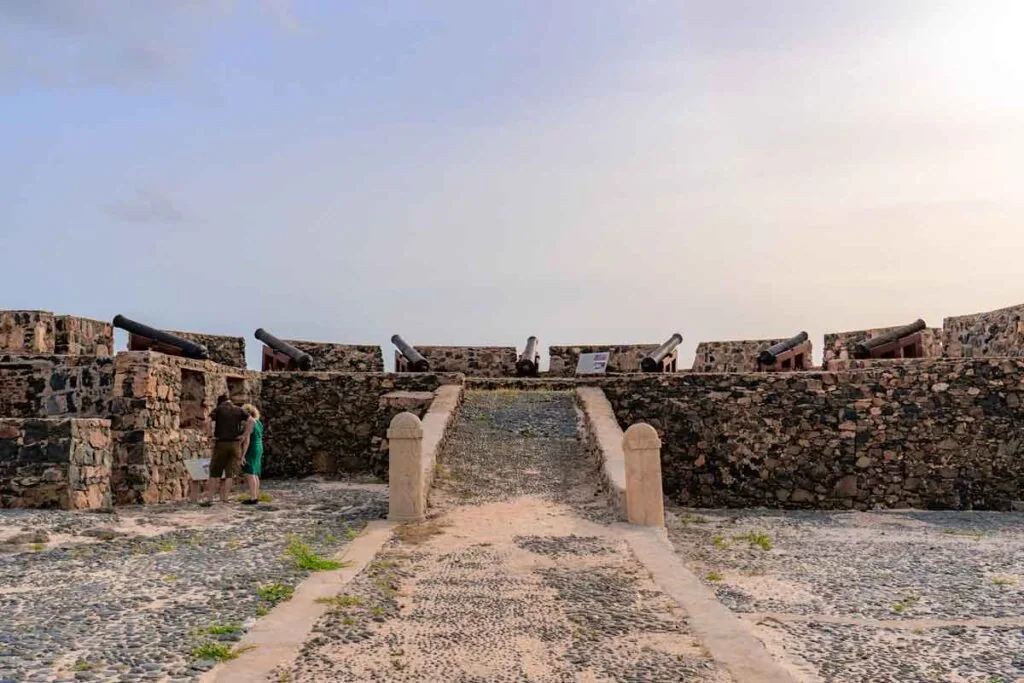
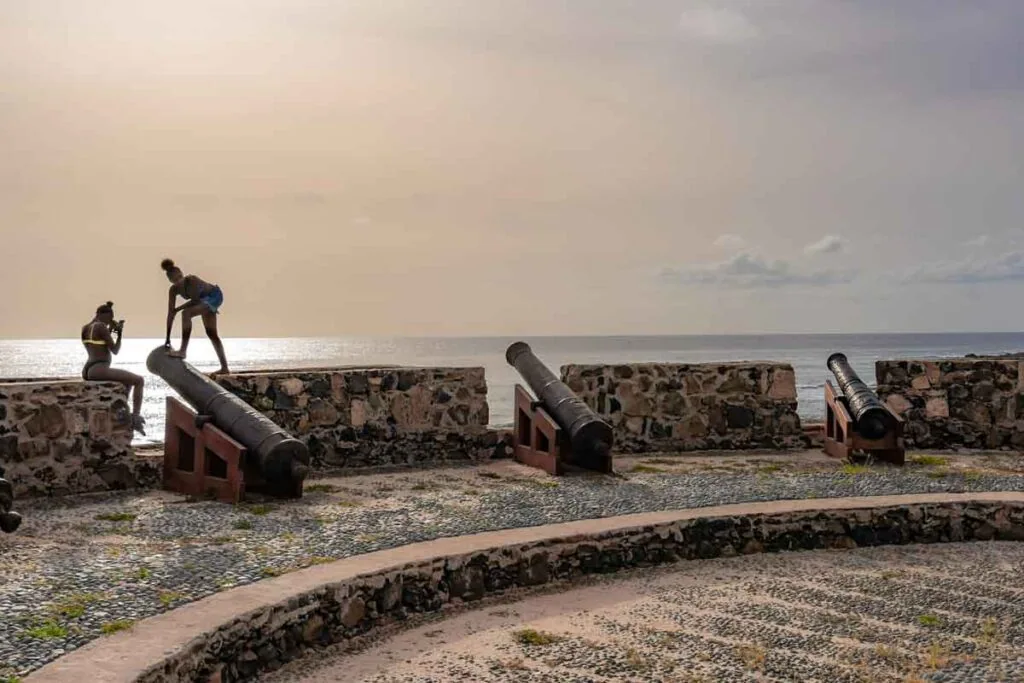
I take the opportunity for a short walk and discover a Portuguese fortification dating from the 16th century.
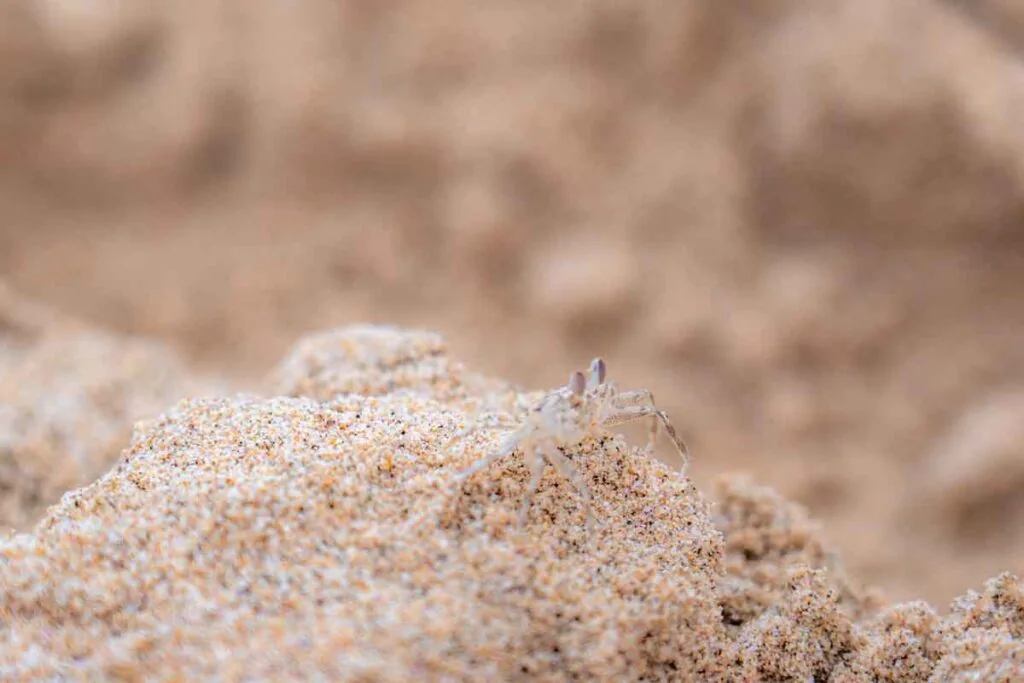
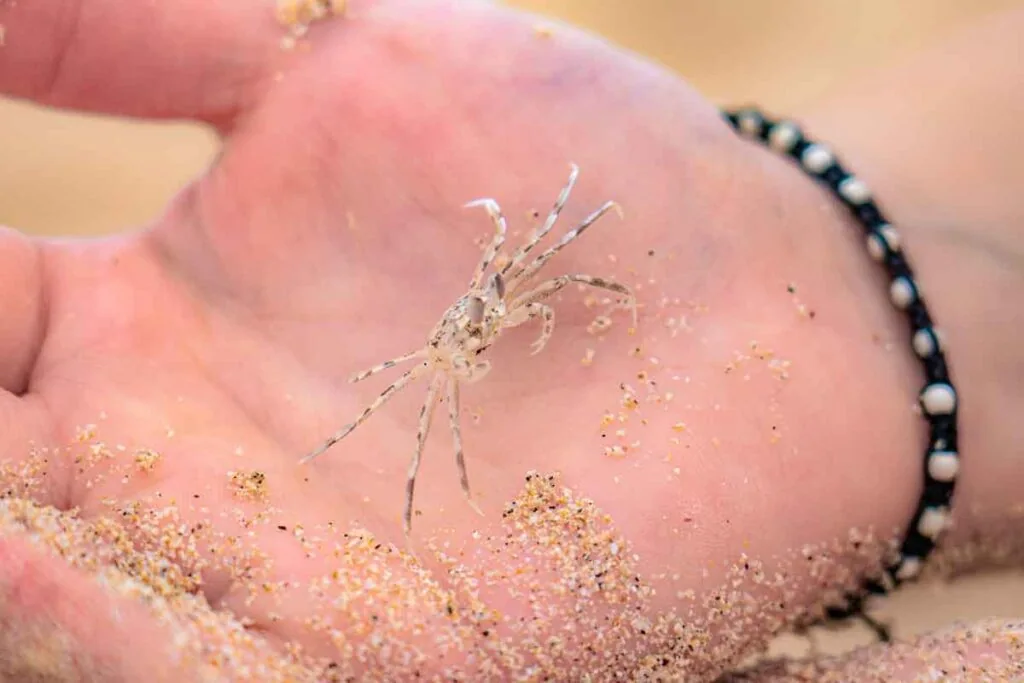
There are also a few small island residents to discover, hiding in the sand and only making themselves known when they tickle your feet as they scuttle over them.
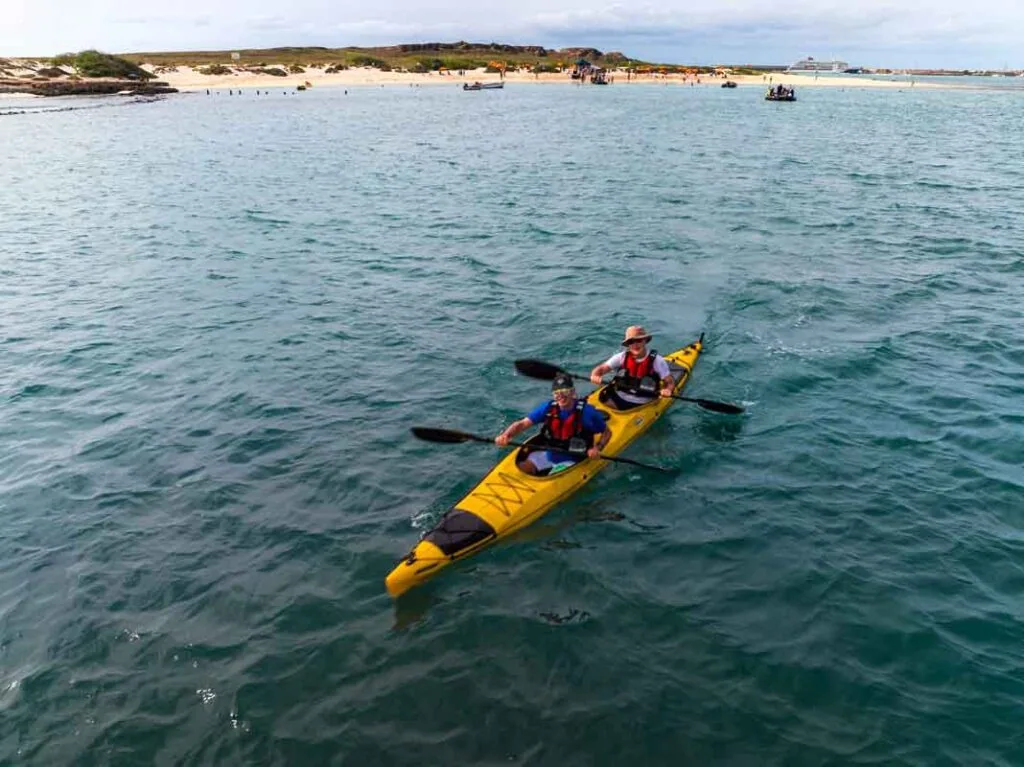
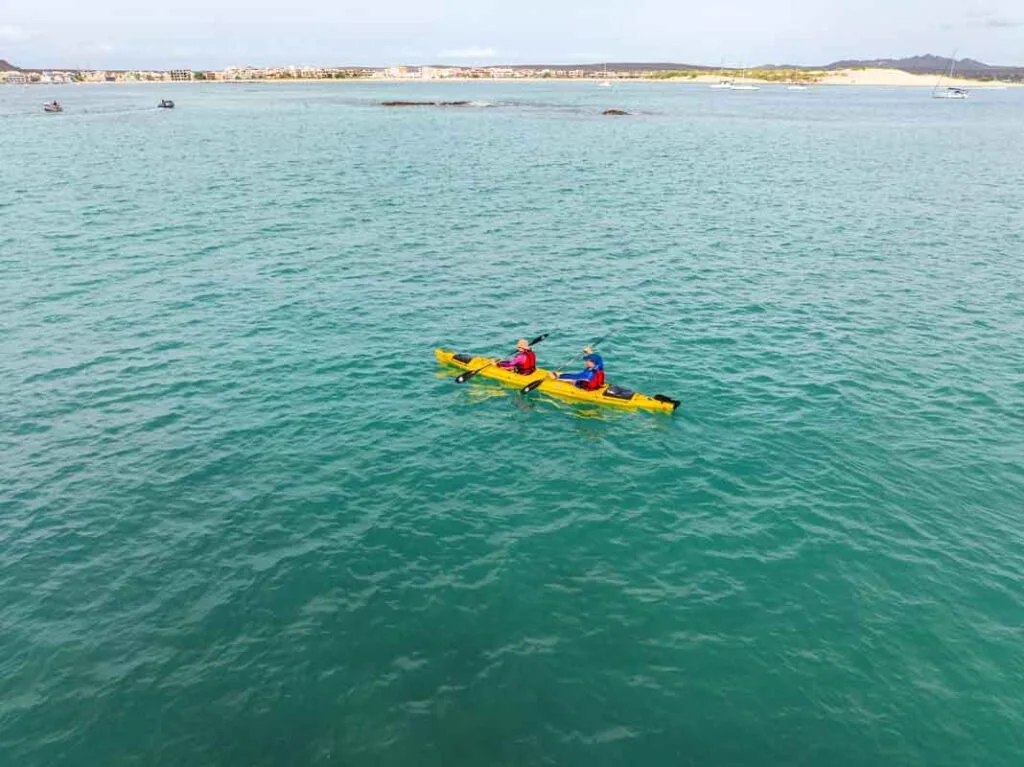
A successful day should include some exercise, so I finish by grabbing a kayak and paddling a few laps of the bay with one of the passengers.
Fogo, Cape Verde / 30 October 2023
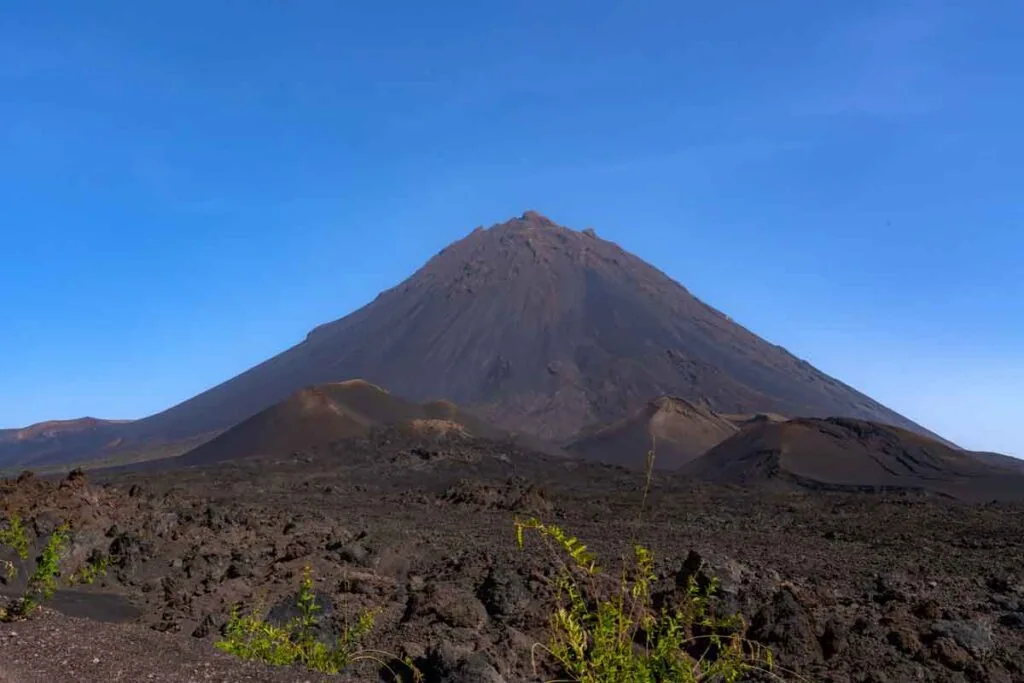
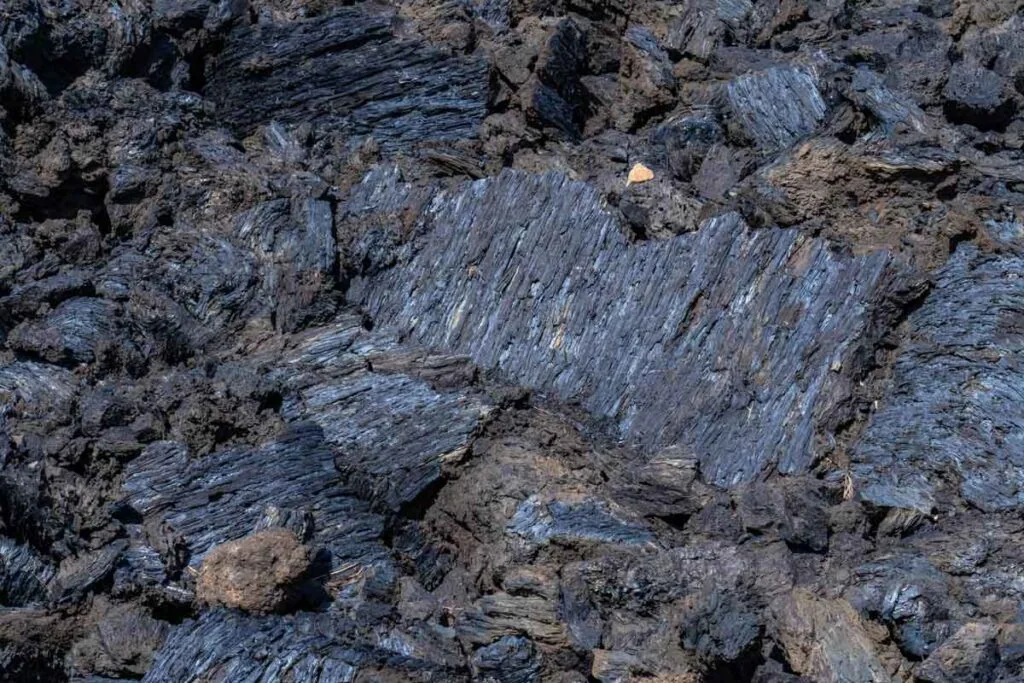
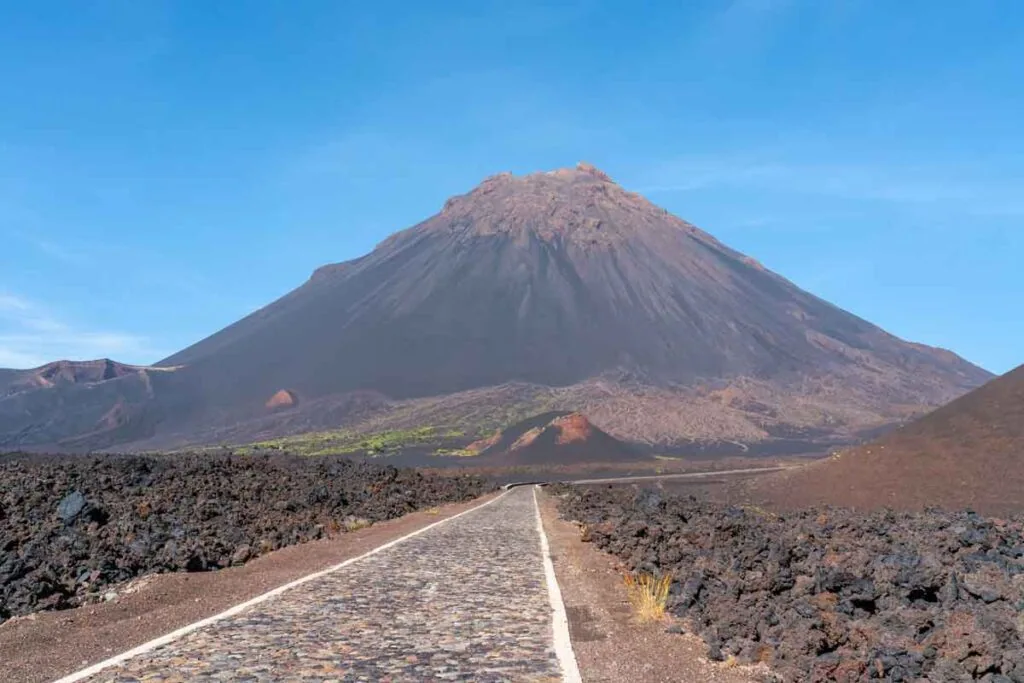
Today, we are on the volcanic island of Fogo in Cape Verde. Pico do Fogo is the island's youngest, largest and most active volcano; it last erupted in late 2014. We travel by minibus into a crater at the foot of Pico do Fogo. This area is also known as the caldera.
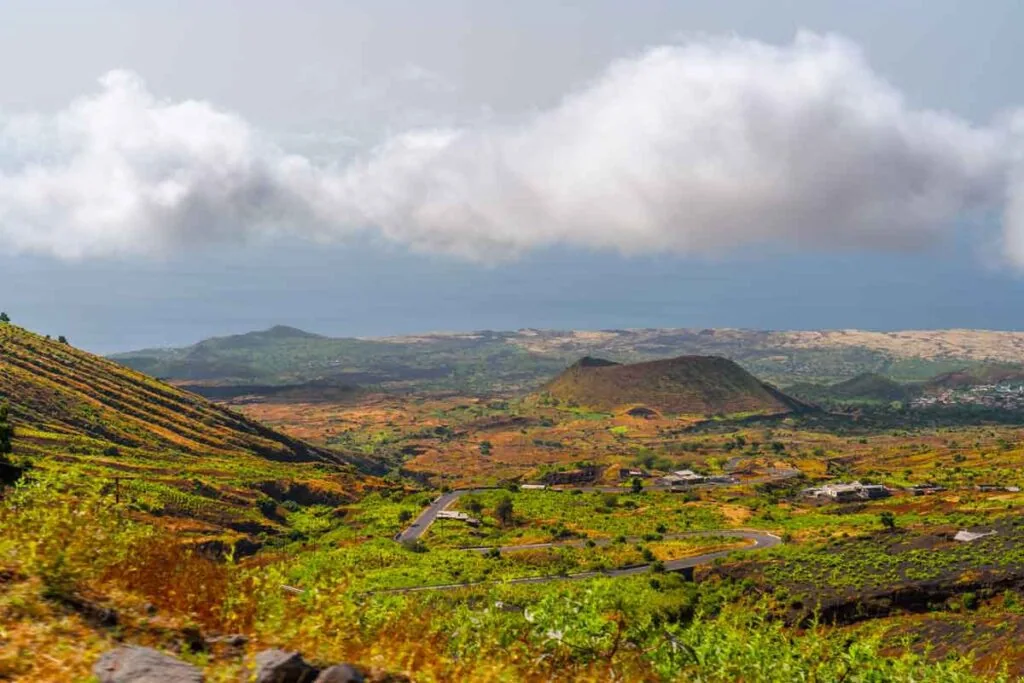
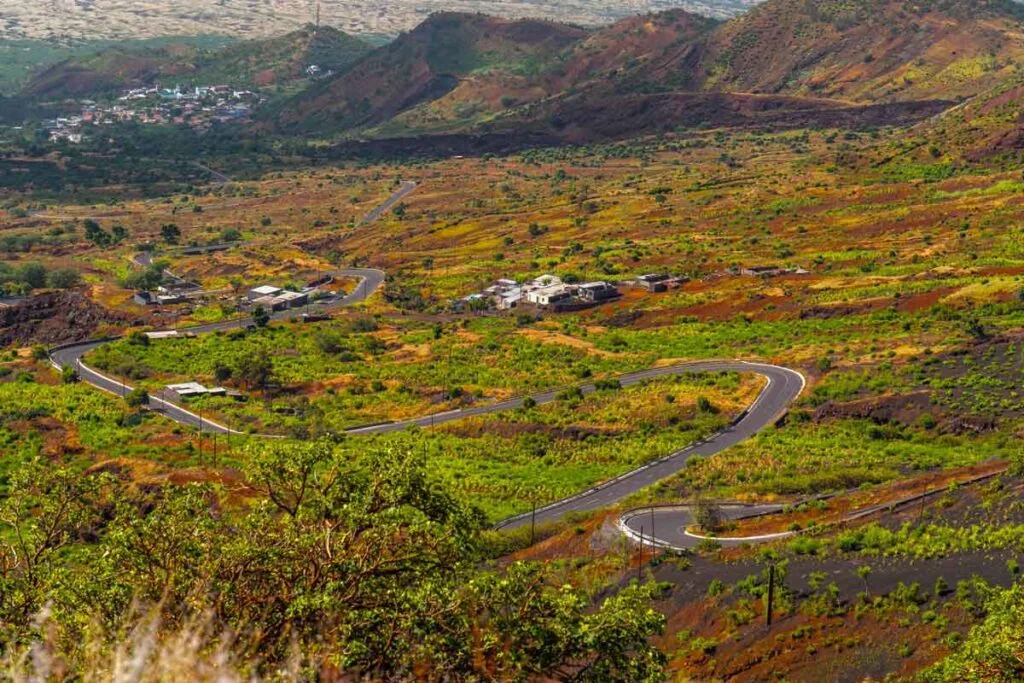
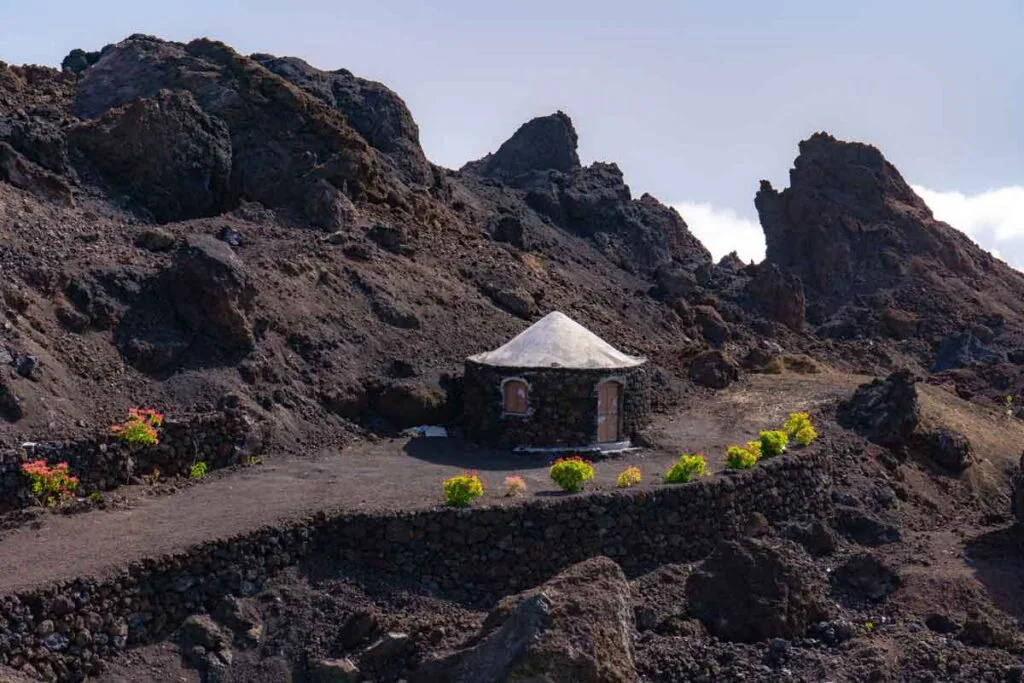
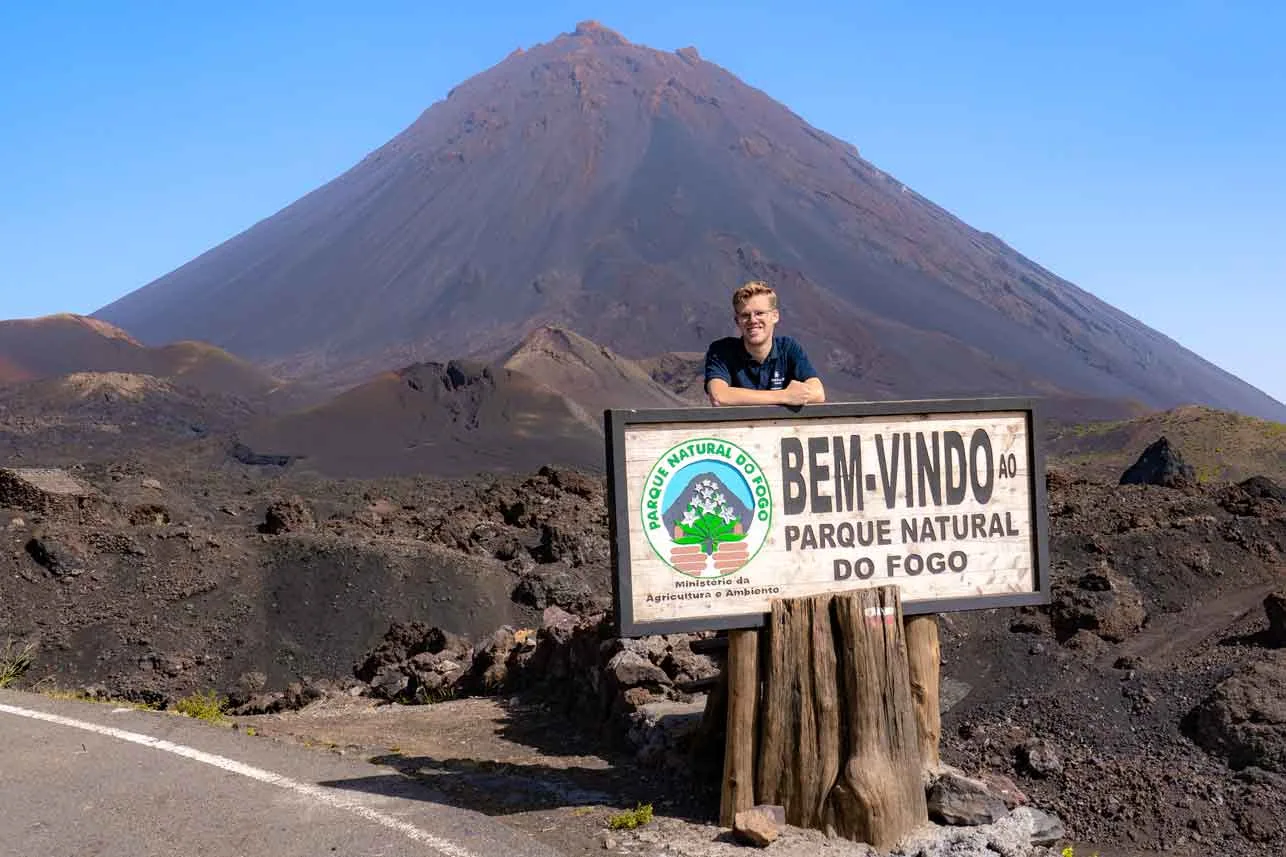
There is plenty of farming around the volcano, as the soil is well suited to it. At its foot, we find a small hut made of lava rock, a typical building style here. Its round shape and sturdy roof offer some protection against direct damage during an eruption. This is also the start of Bem-Vindo National Park, where we are hiking today.
On our walk, we repeatedly find holes in the ground dug by local people. Adding compost material, such as food scraps, improves soil fertility: the rich minerals and warmth of the volcanic ground accelerate decomposition. This quickly and efficiently creates nutrient-rich soil for farming.
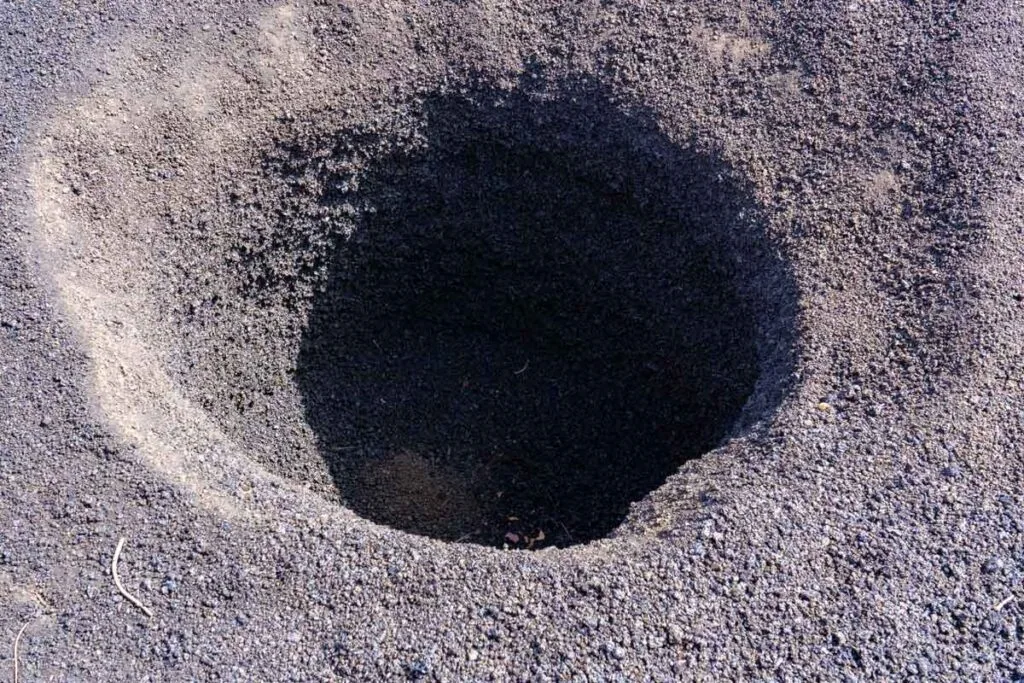
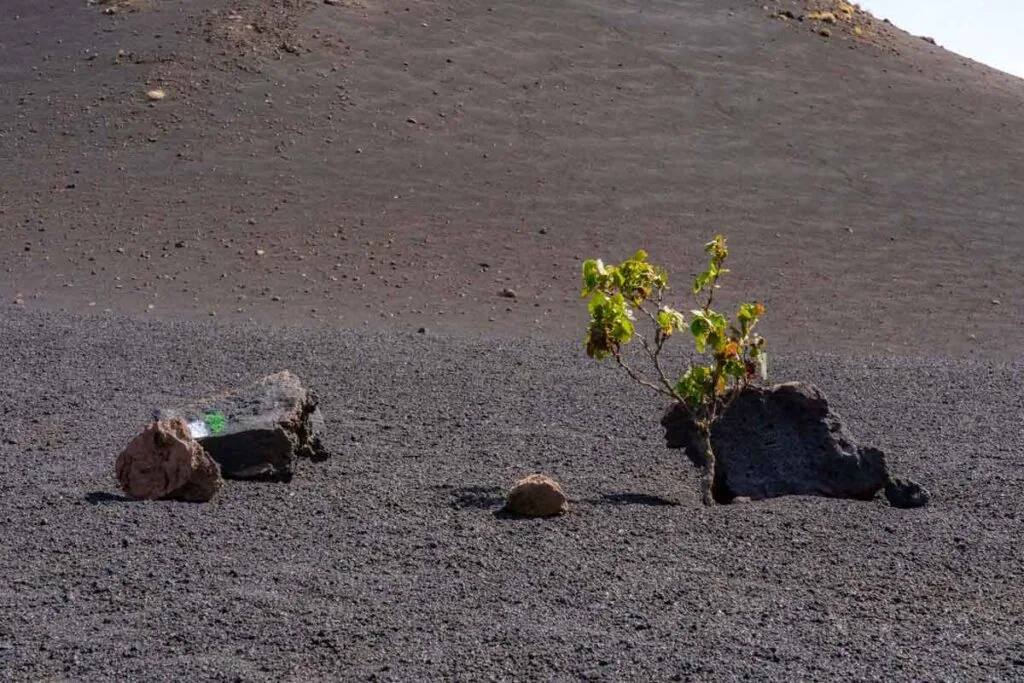
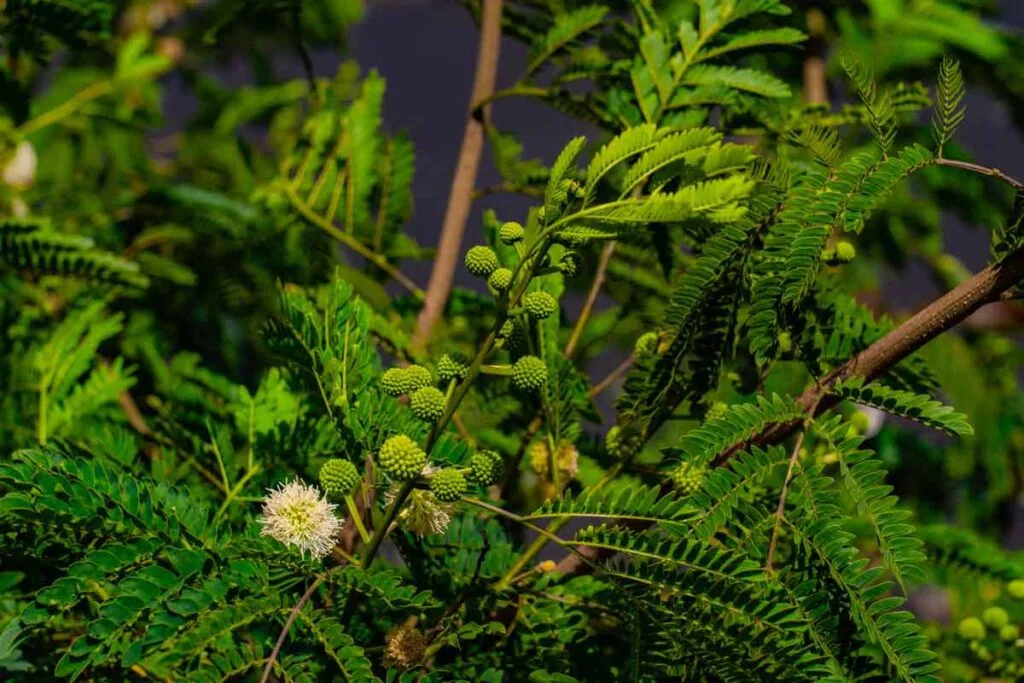
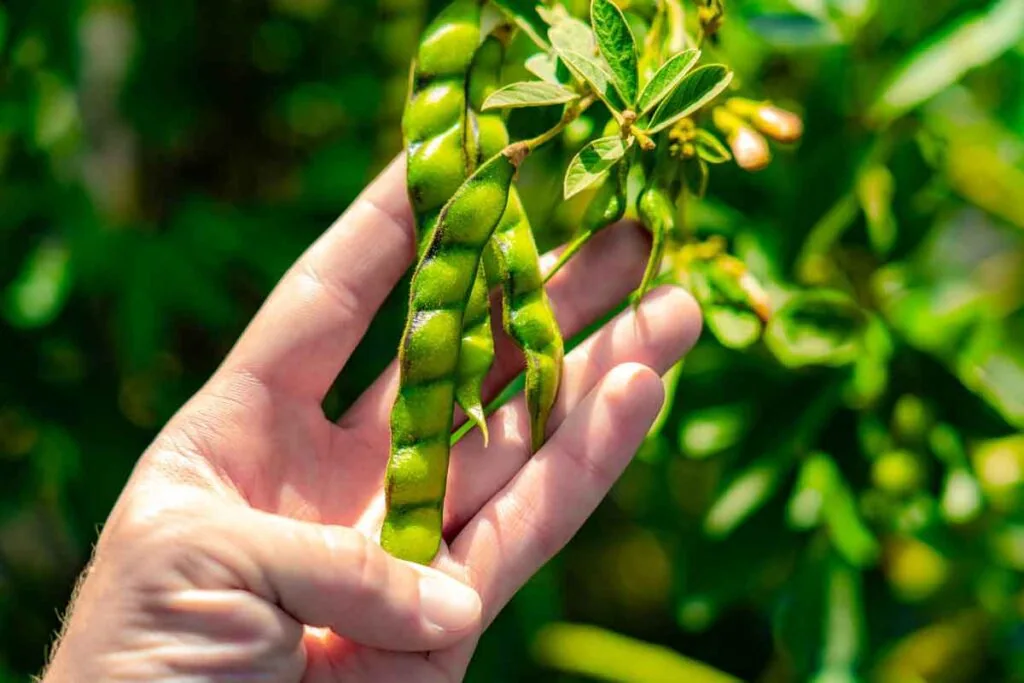
After only a few years, all kinds of plants grow in these holes, including beans, berries and vines.
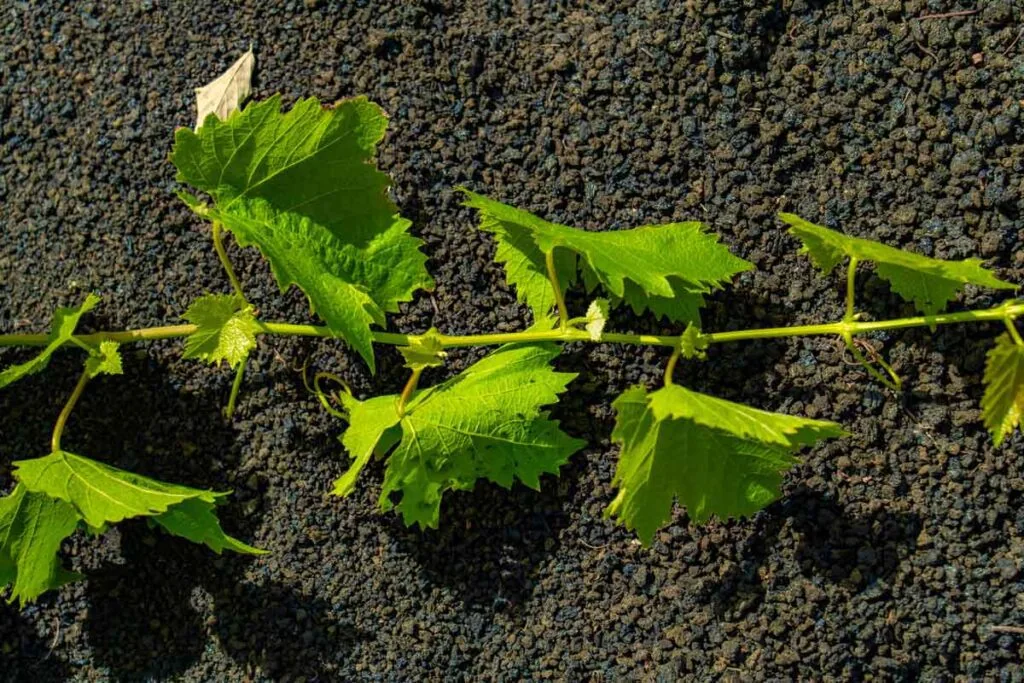
We also keep finding rocks with a yellow deposit on our walk. These are pieces of volcanic rock coated with sulphur. The deposits form when gases escape from the volcano, settle on the rock and cool. The sulphur then crystallises, forming bright yellow crystals.
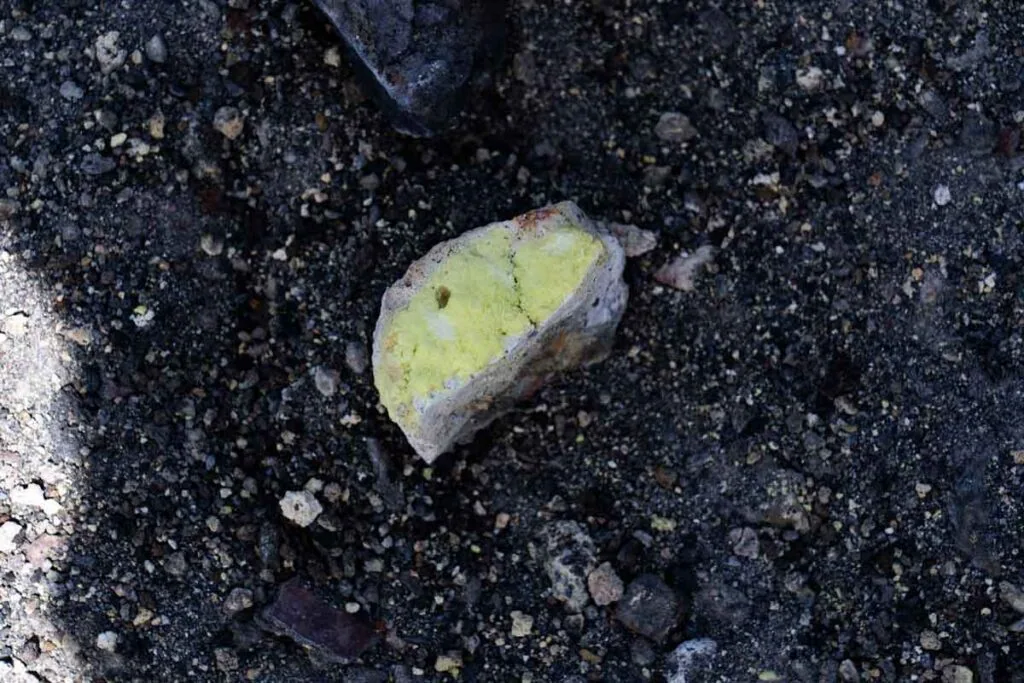
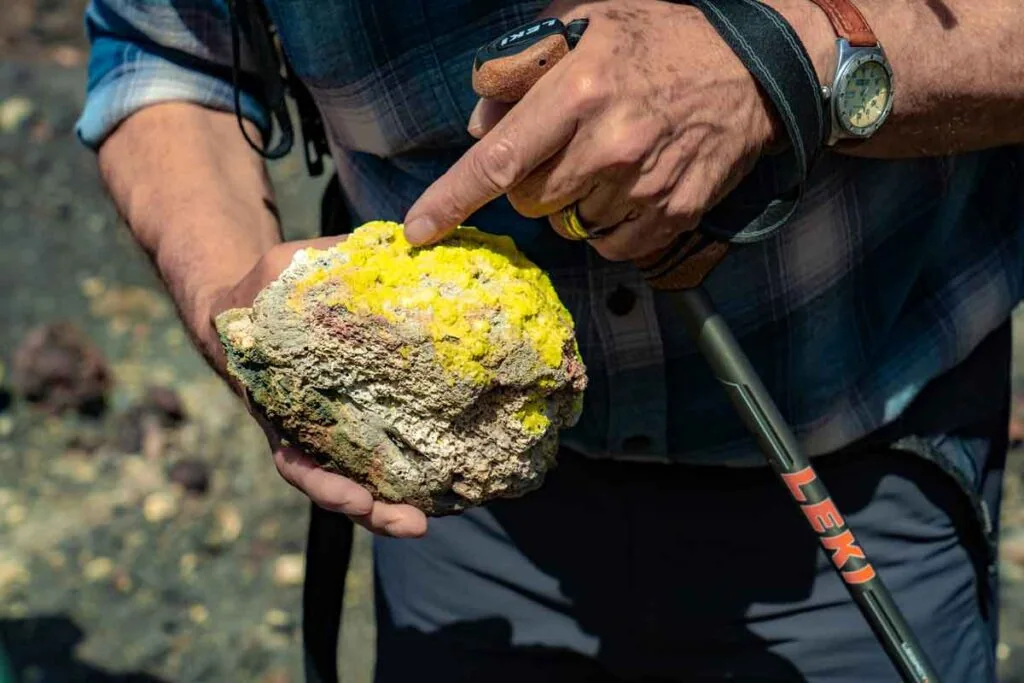
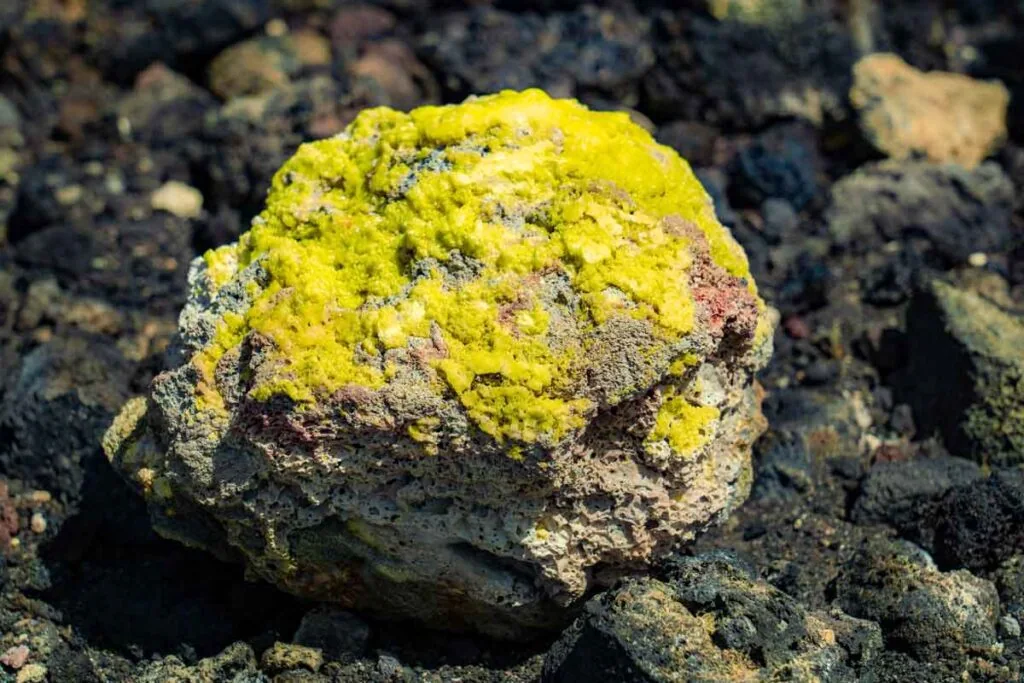
We cover 280 metres of elevation, loose scree and three hours at the foot of Pico do Fogo before reaching the village of Portela.
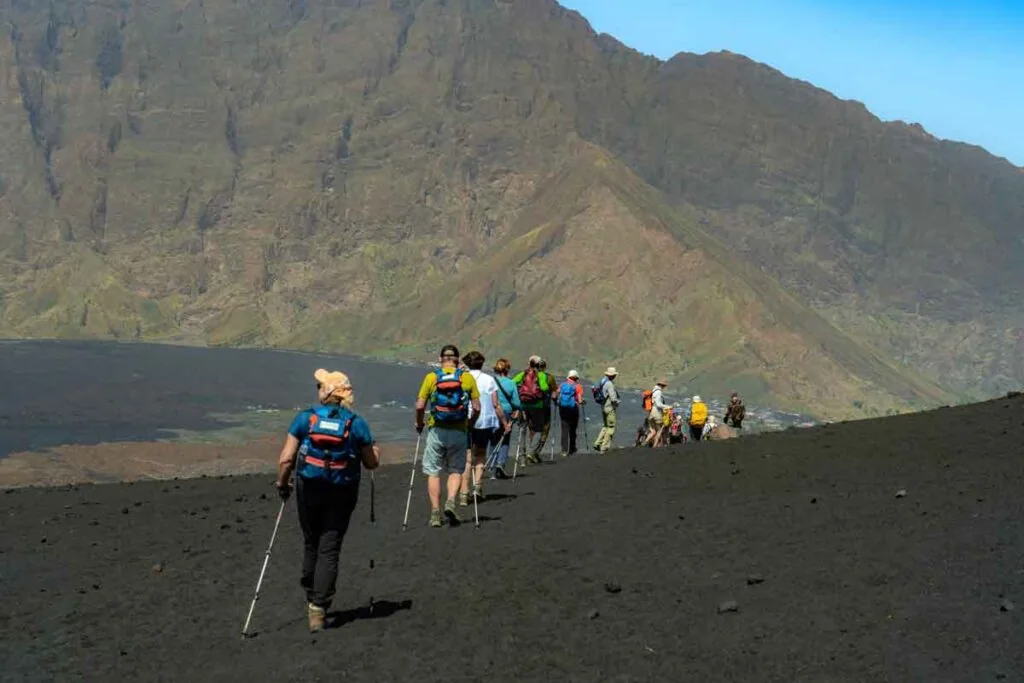
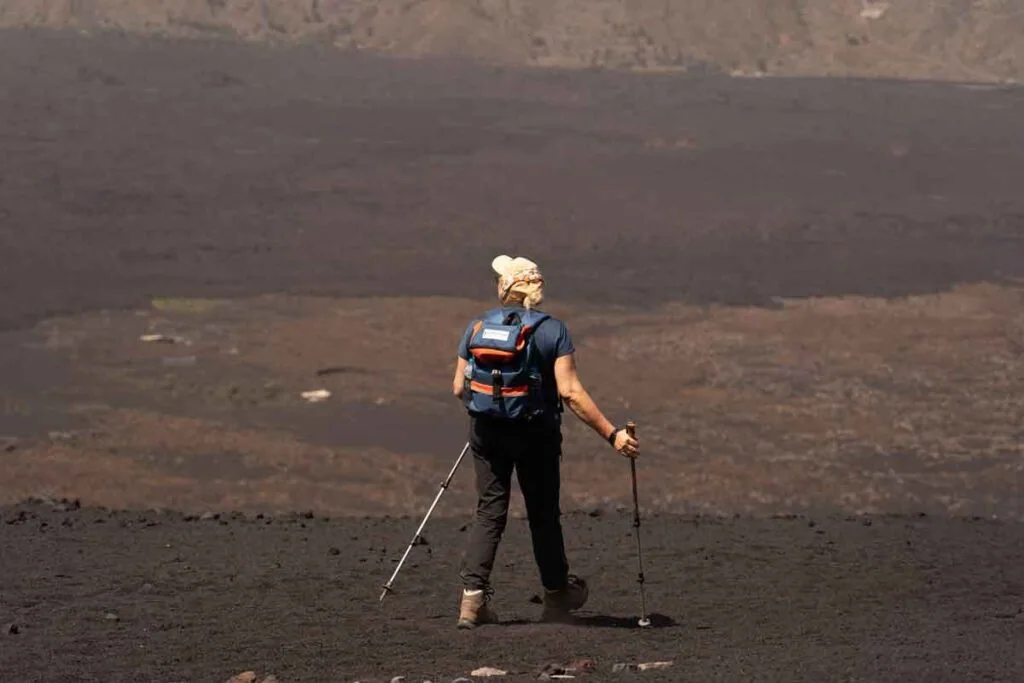
Portela lies inside the caldera and was badly affected by the 2014 eruption. Afterwards, lava advanced towards the village at only a few metres per day. Until the very last moment, residents hoped it would cool and stop before reaching their homes. That hope did not come true: three months after the eruption, the village had to be evacuated because the lava was still flowing.
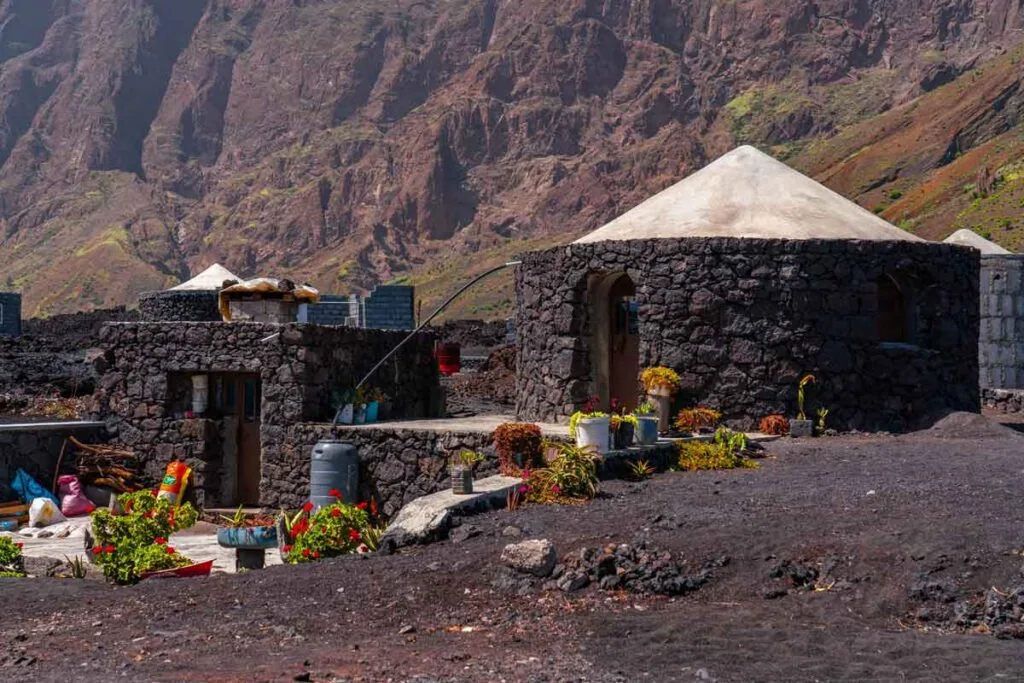
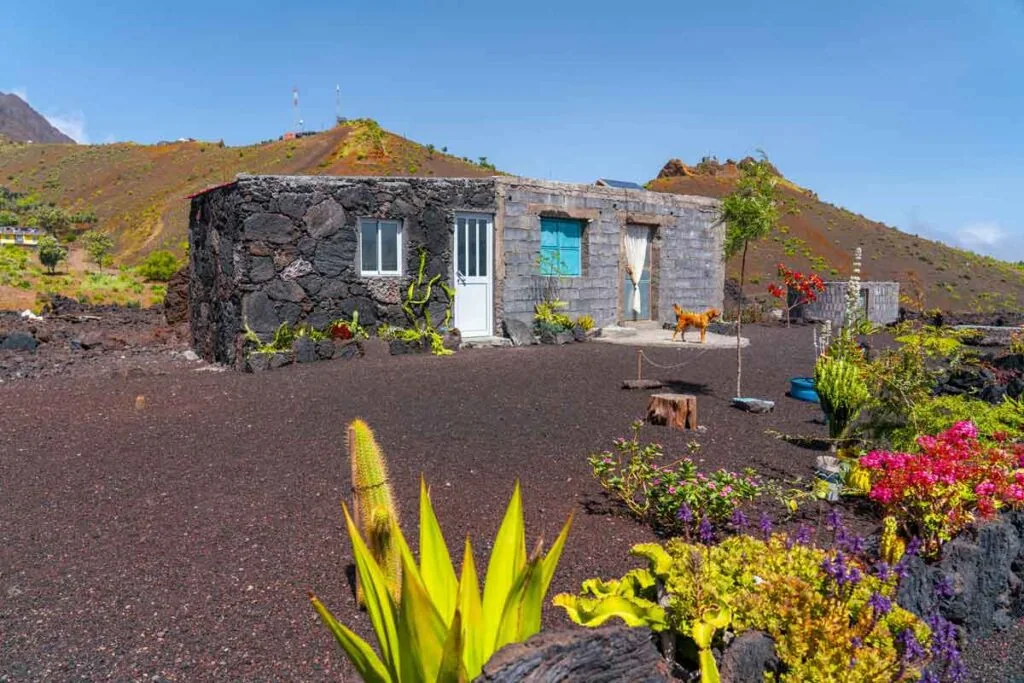
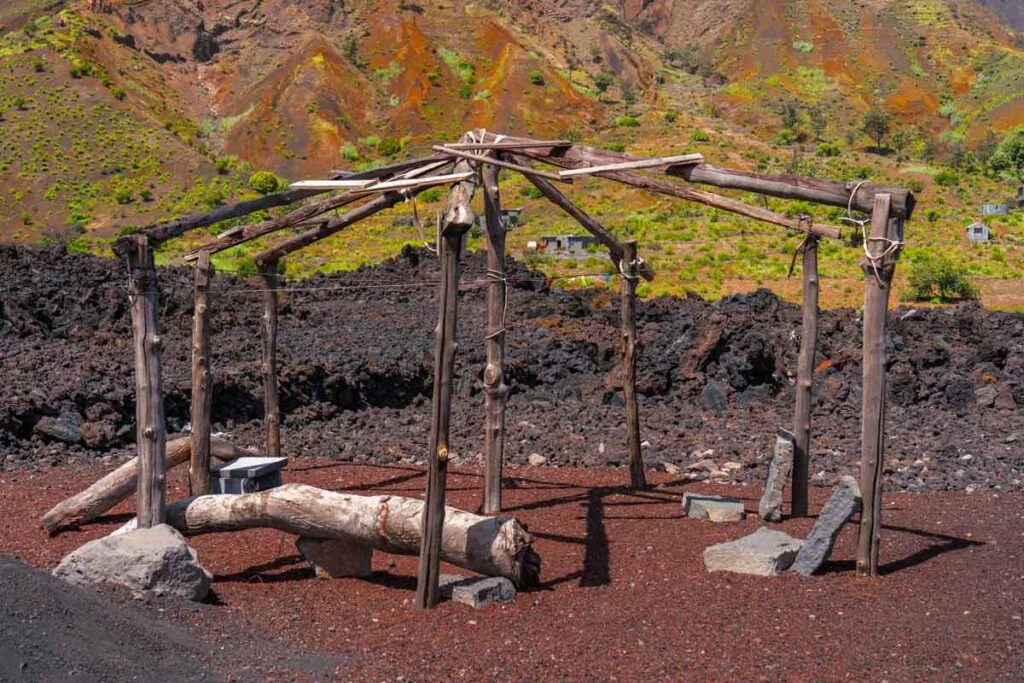
This did not stop residents from returning once it had cooled and rebuilding everything. As the village had been covered by lava rather than swept away, in most cases people simply built another storey on top of their old house's footprint.
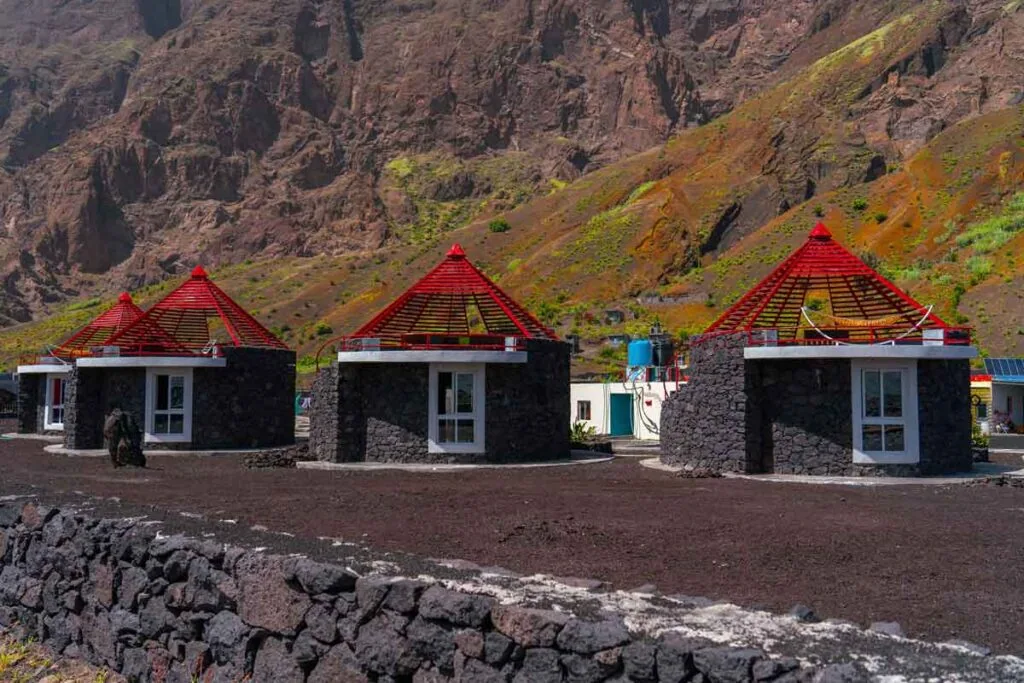
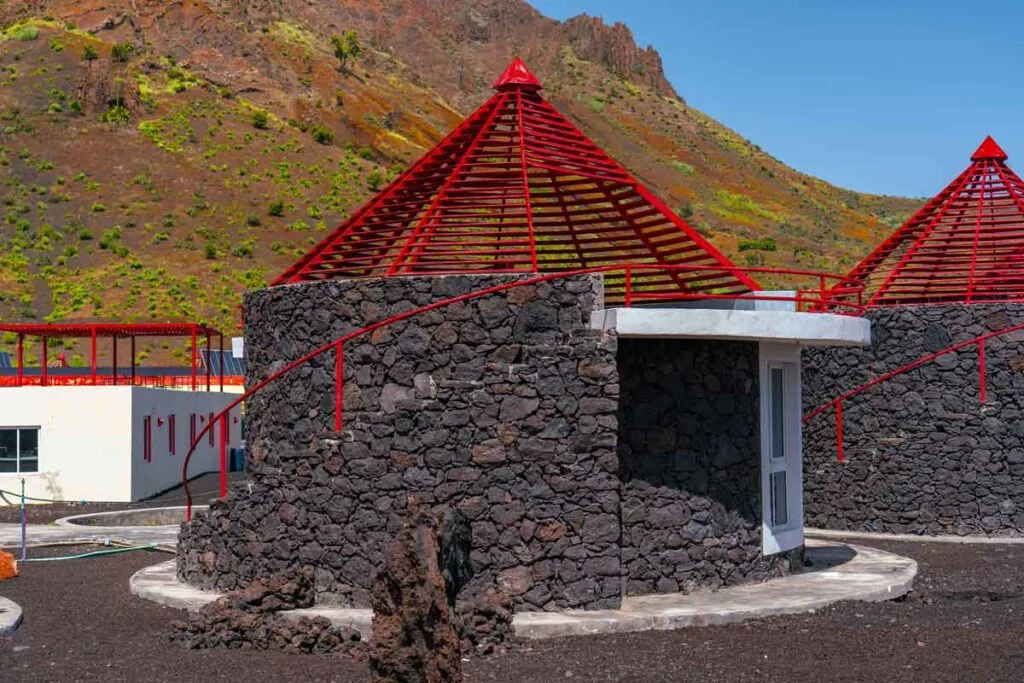
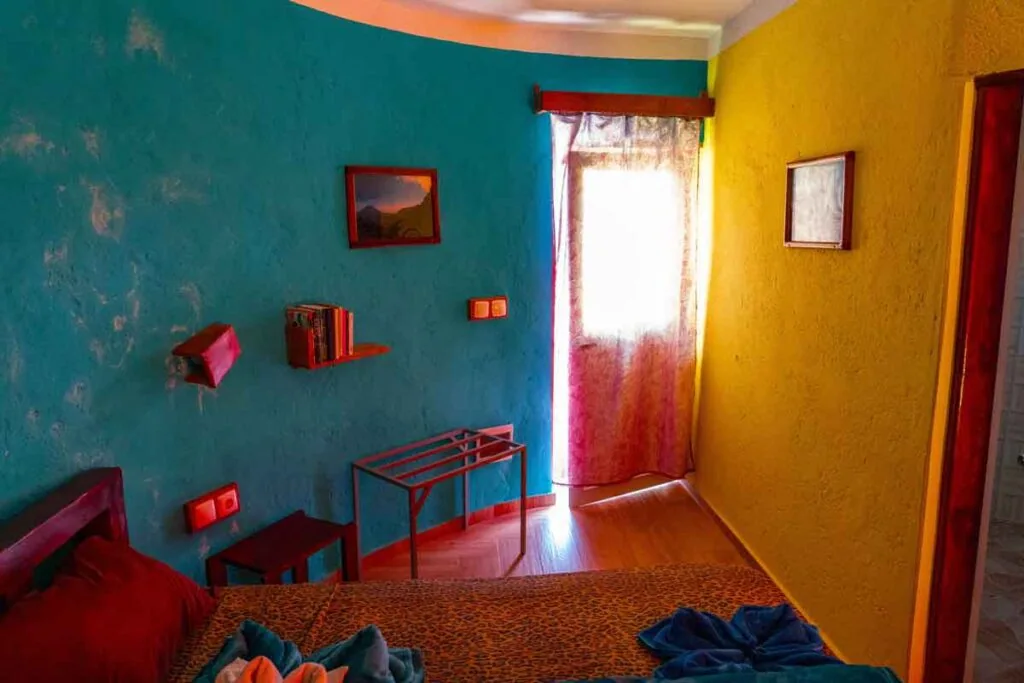
Today, the village mainly lives from tourism and wine growing. Its small, round houses made of volcanic rock are a real tourist attraction and cost €35 per night.
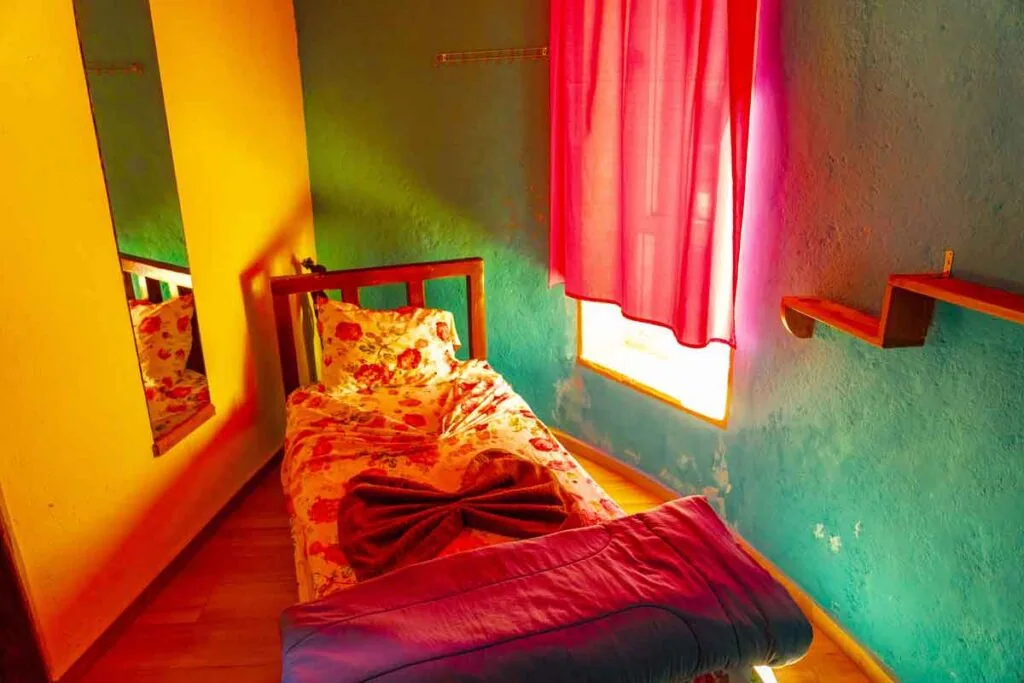
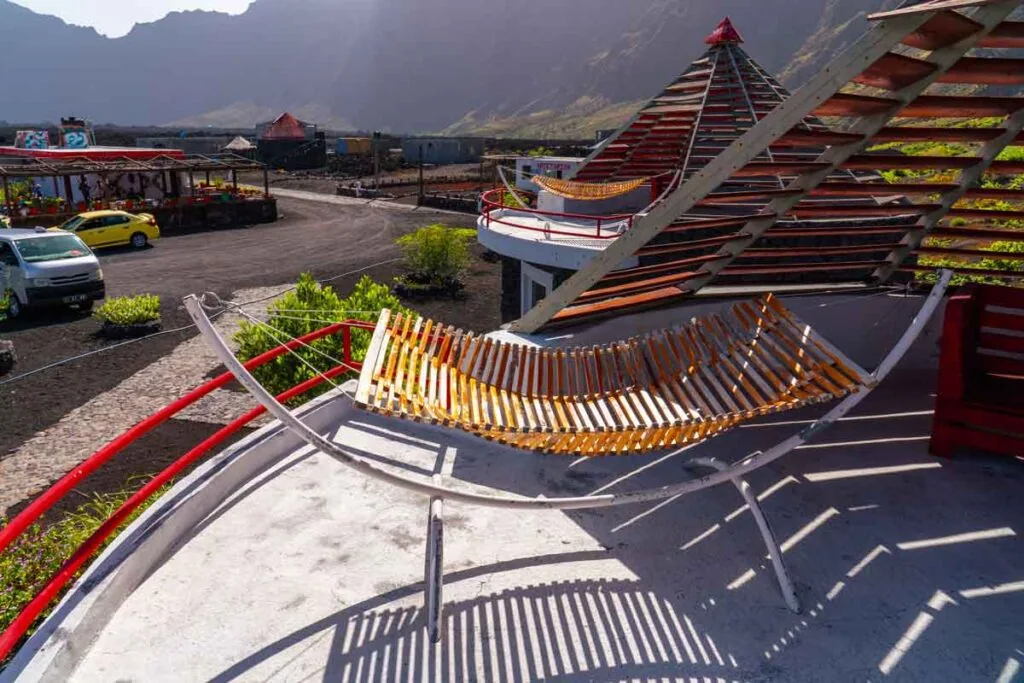
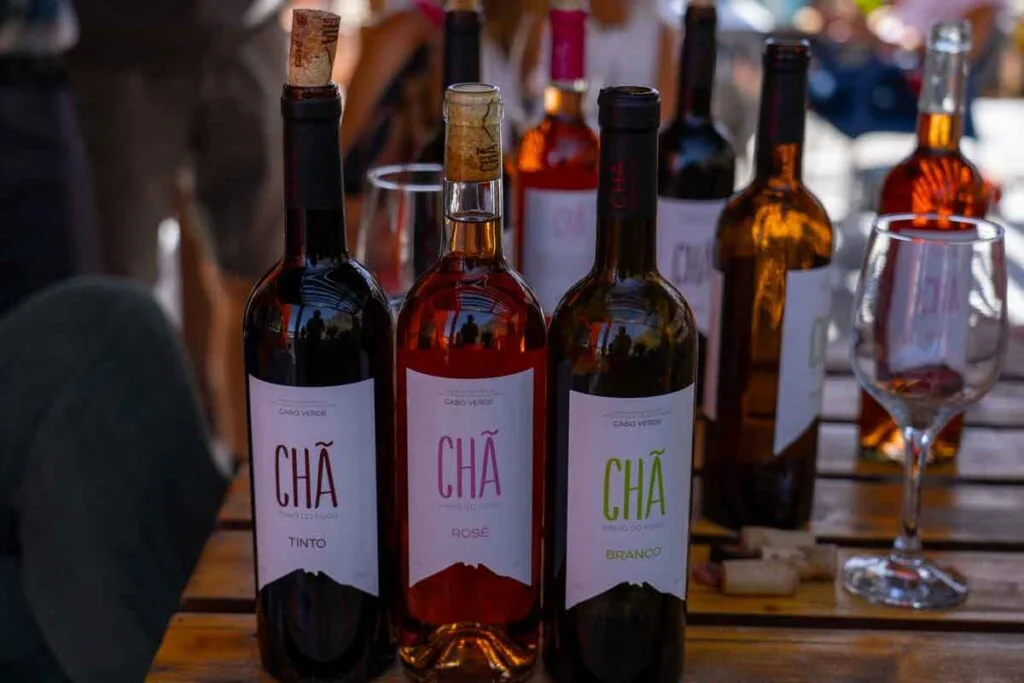
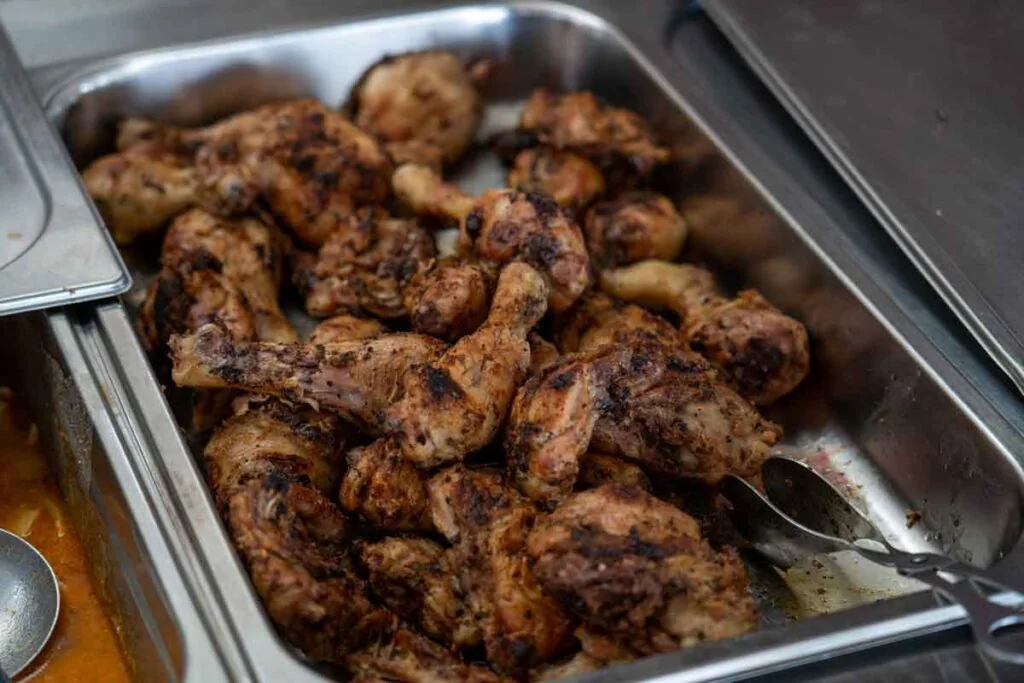
To round off today's excursion, we have a typical lunch in a local restaurant, accompanied by a tasting of wines made from grapes grown in the caldera. In my view, the taste is comparable to retsina: an acquired taste, with pronounced mineral notes.
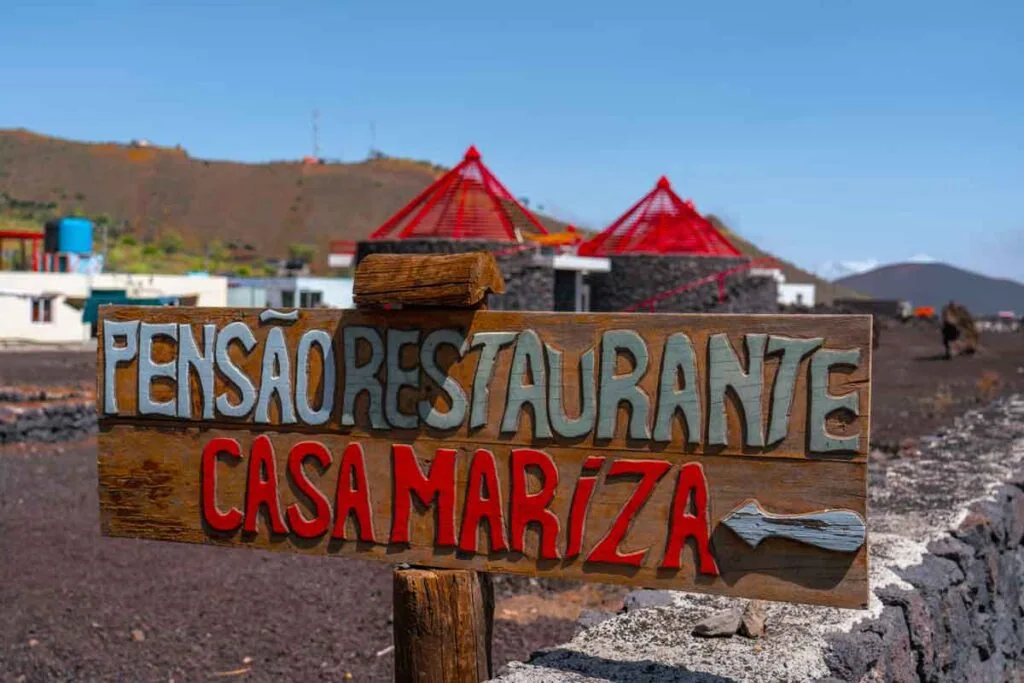
Now there is only one thing left: back to the ship!
Santiago, Cape Verde / 31 October 2023
We have already reached the final port of this voyage: Praia. Located on the island of Santiago, Praia is also Cape Verde's capital. Today, we are taking a short tour of the island. Our first stop is Praia's old town.
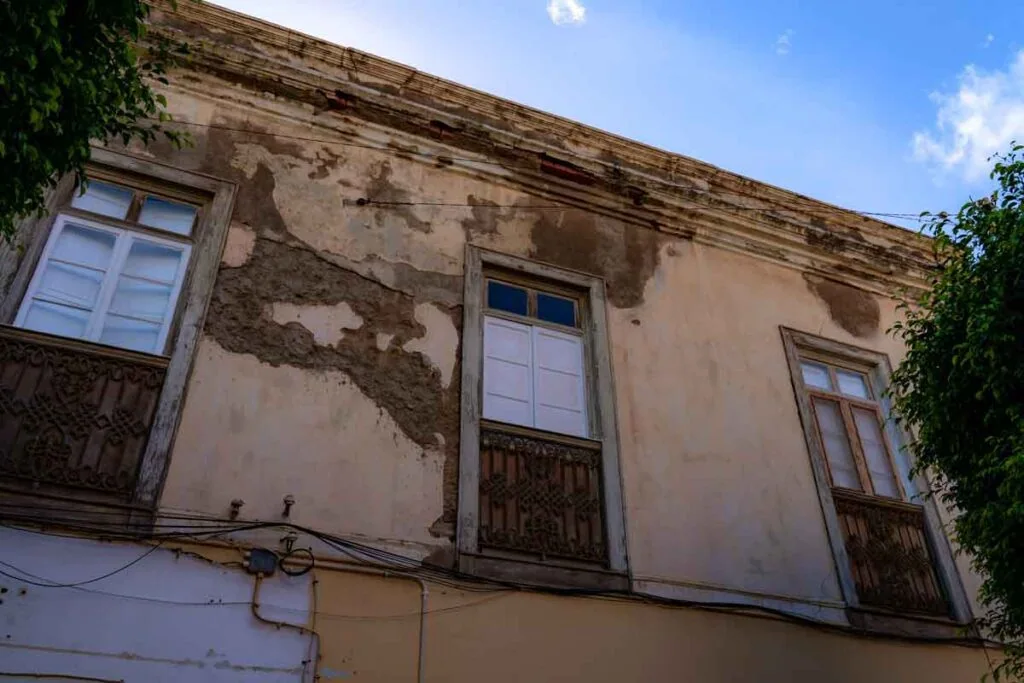
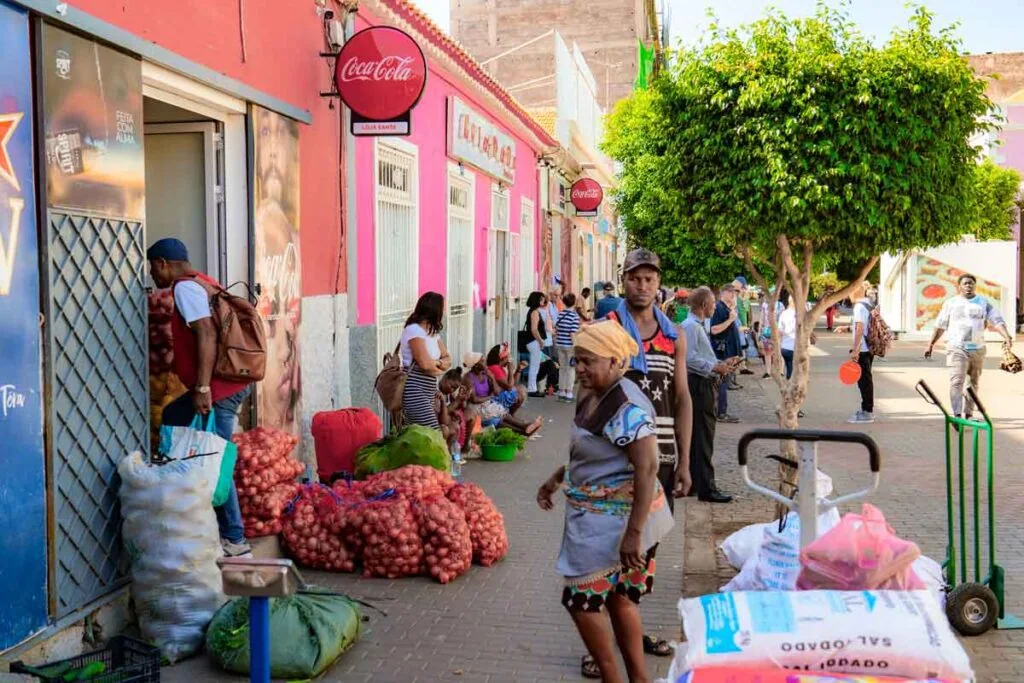
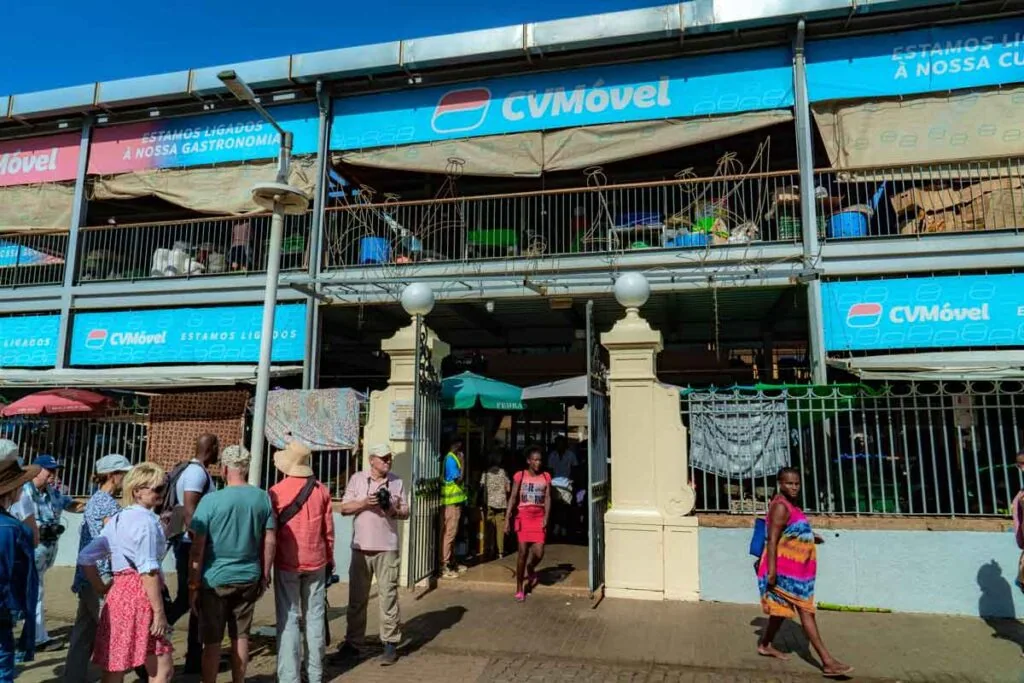
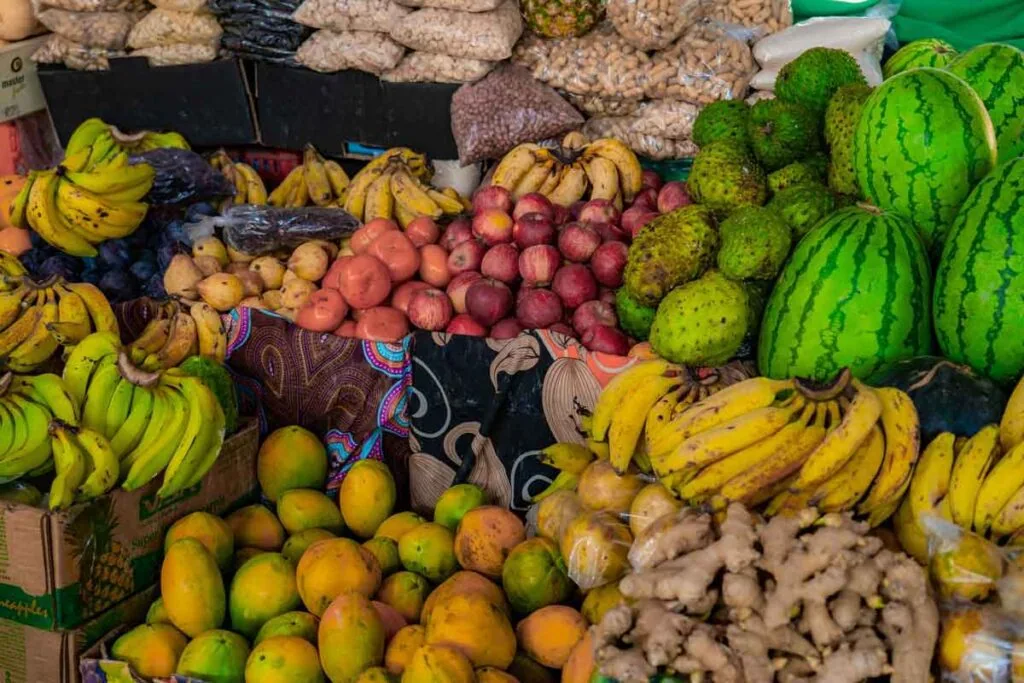
First, we visit a market. It mainly sells local food, with a small food court in the centre.
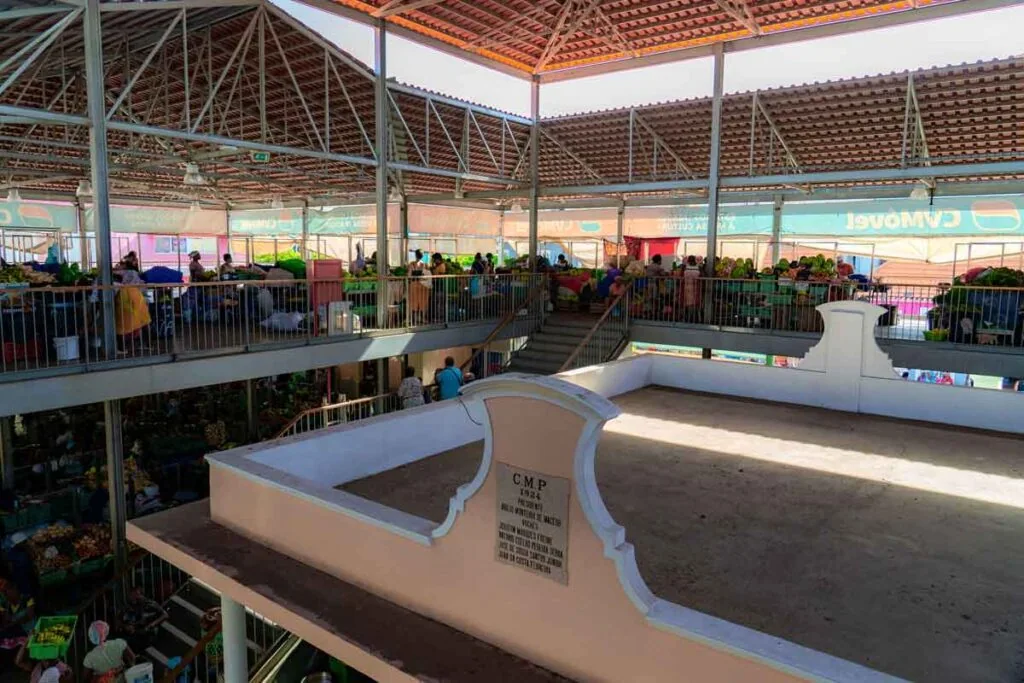
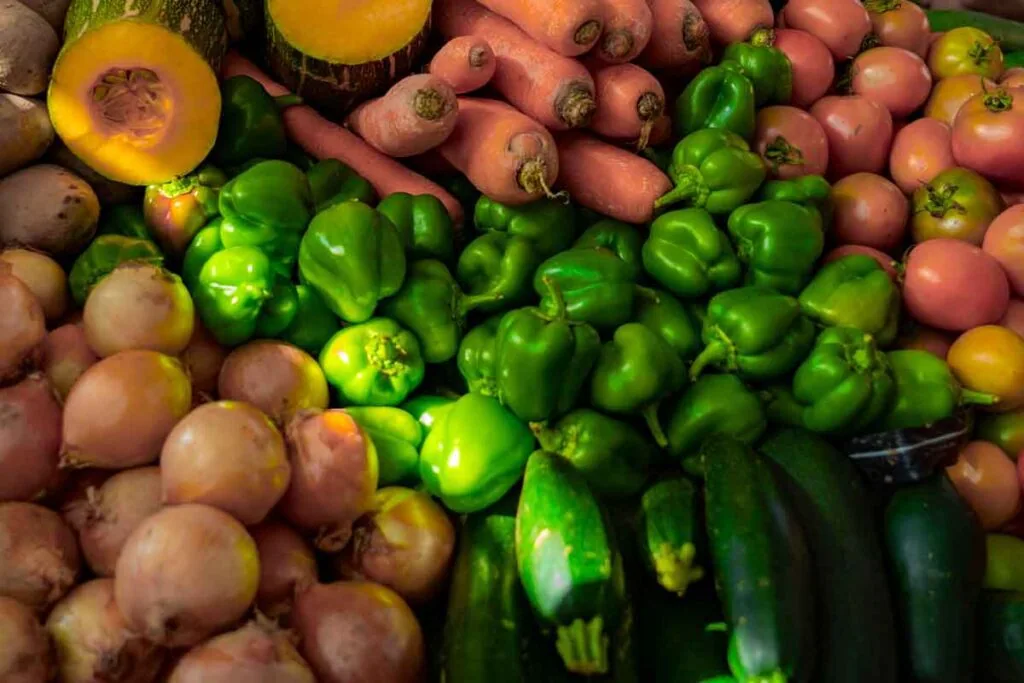
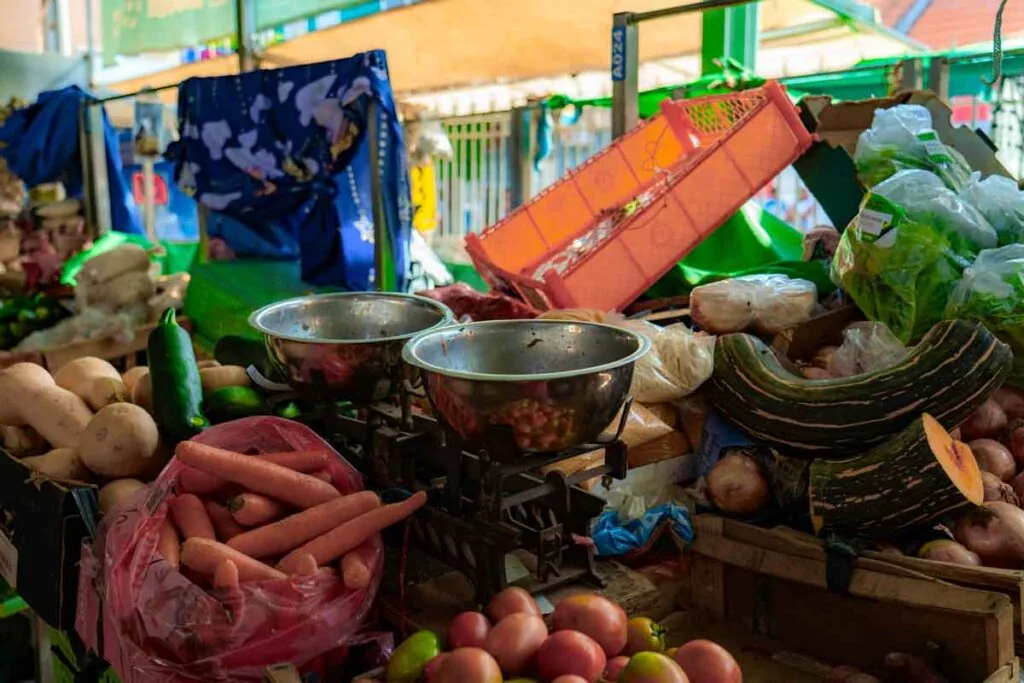
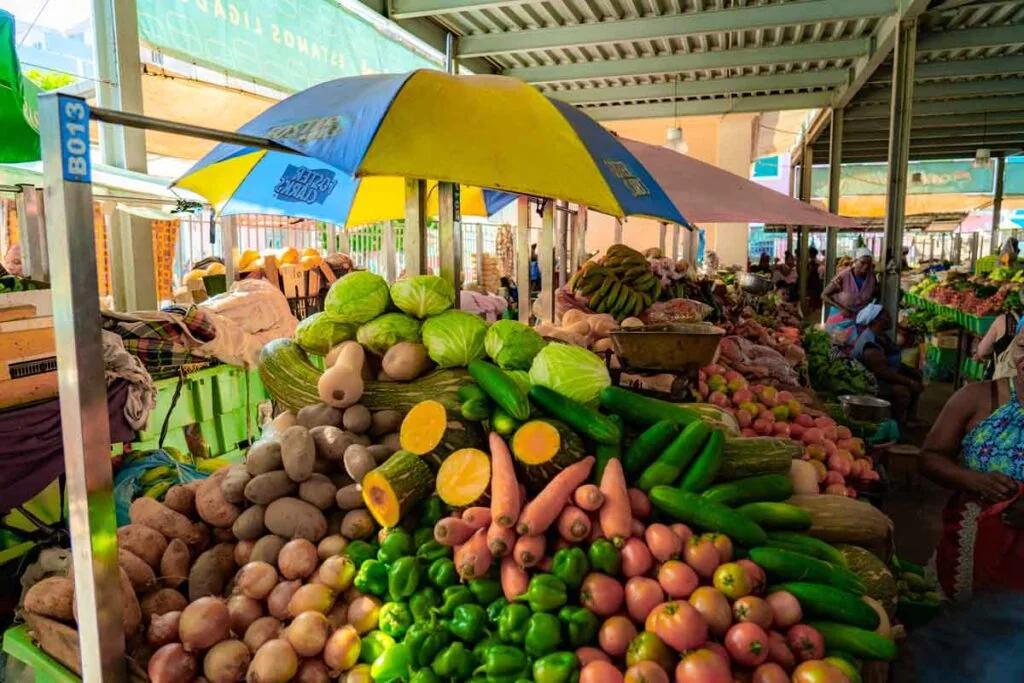
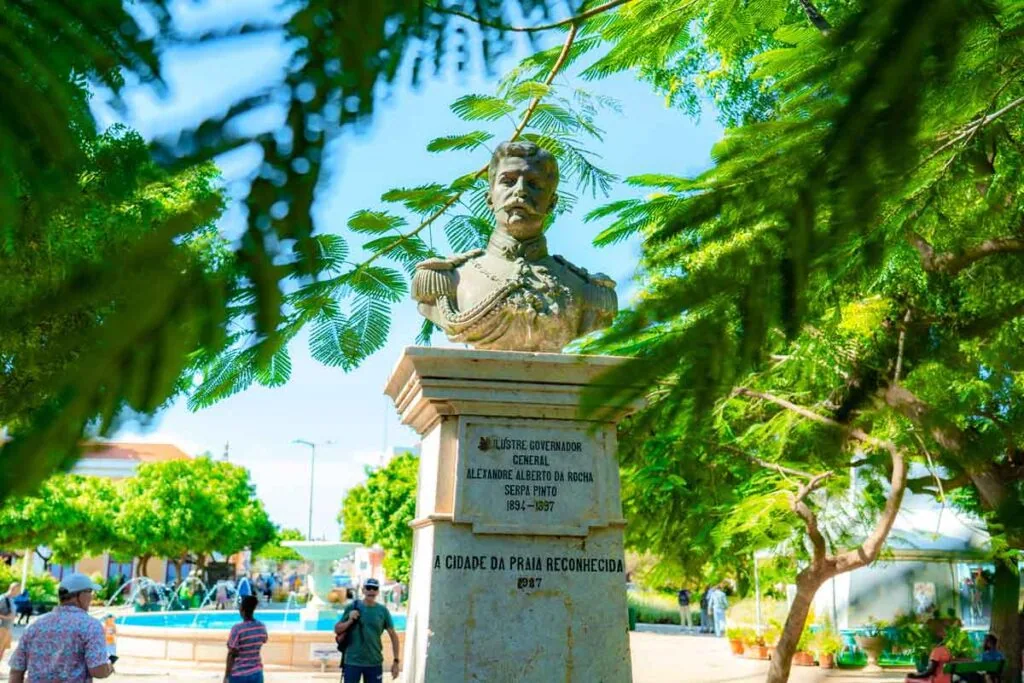
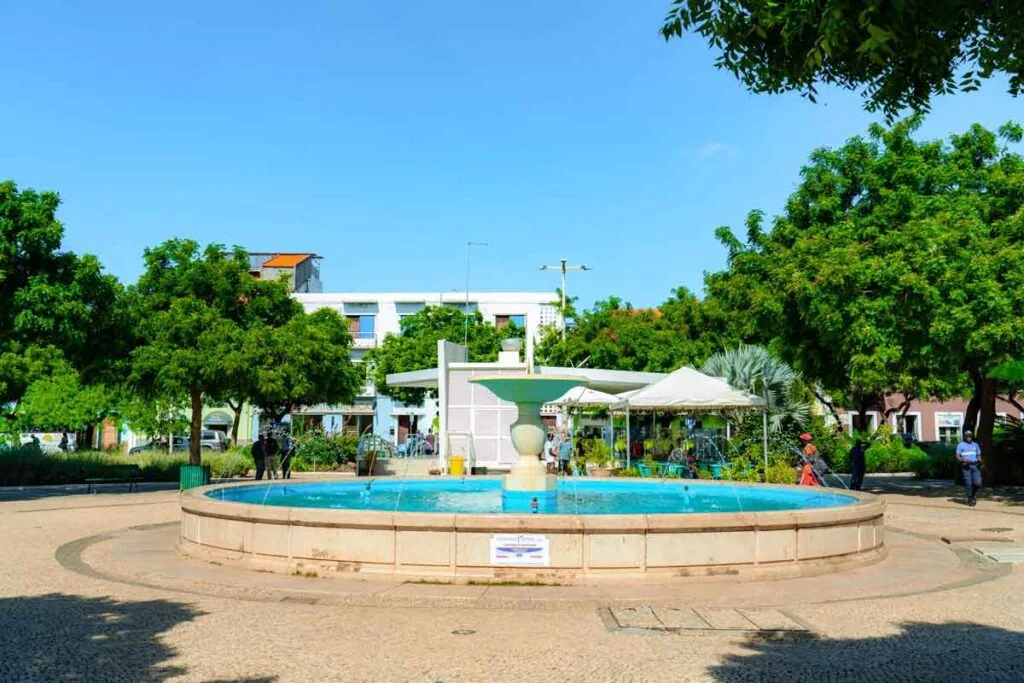
In a square with a fountain, we find a statue of Alexandre Alberto da Rocha. It honours an important Portuguese explorer and colonial administrator best known for his explorations in southern Africa. He never visited Cape Verde himself, but was considered an important explorer by the Portuguese when the statue was erected.
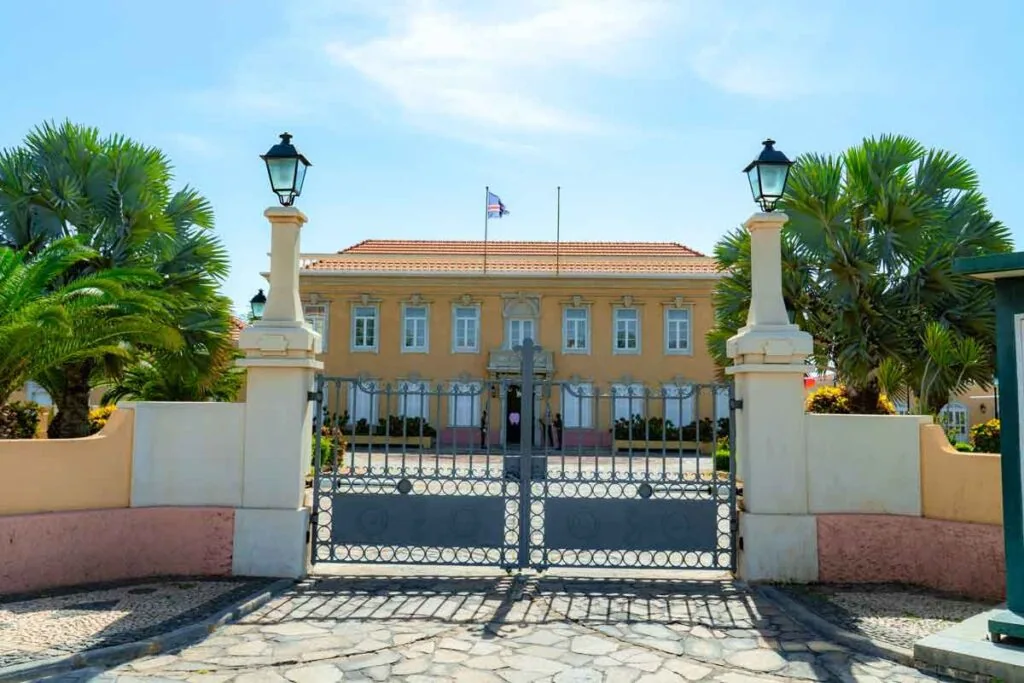
We then take a detour to the Presidential Palace. No president has lived here since 1970, however; the building mainly serves a ceremonial function. It is still used for special occasions and state receptions.
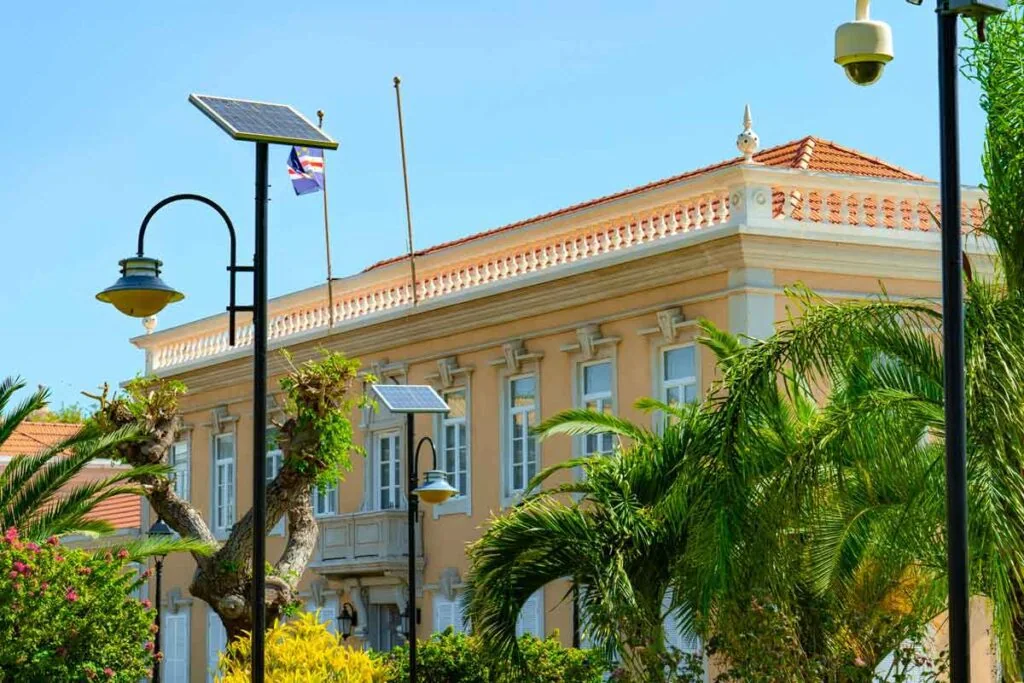
Next, we head to Fort São Filipe, a Portuguese fortress above the town of Cidade Velha. As well as cannons, it offers a wonderful view of the sea.
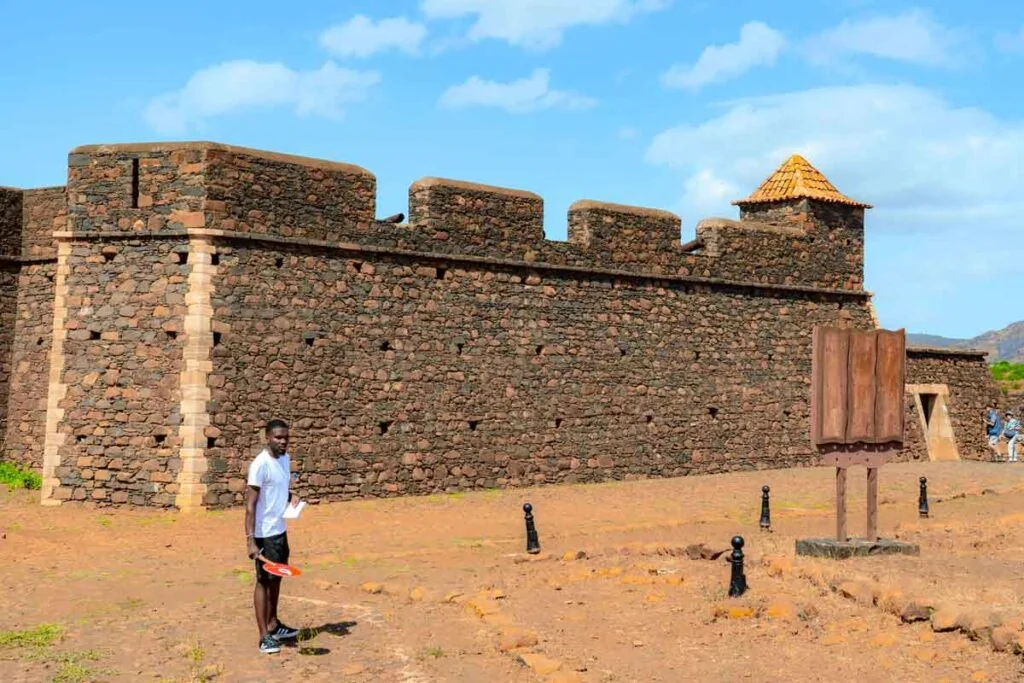
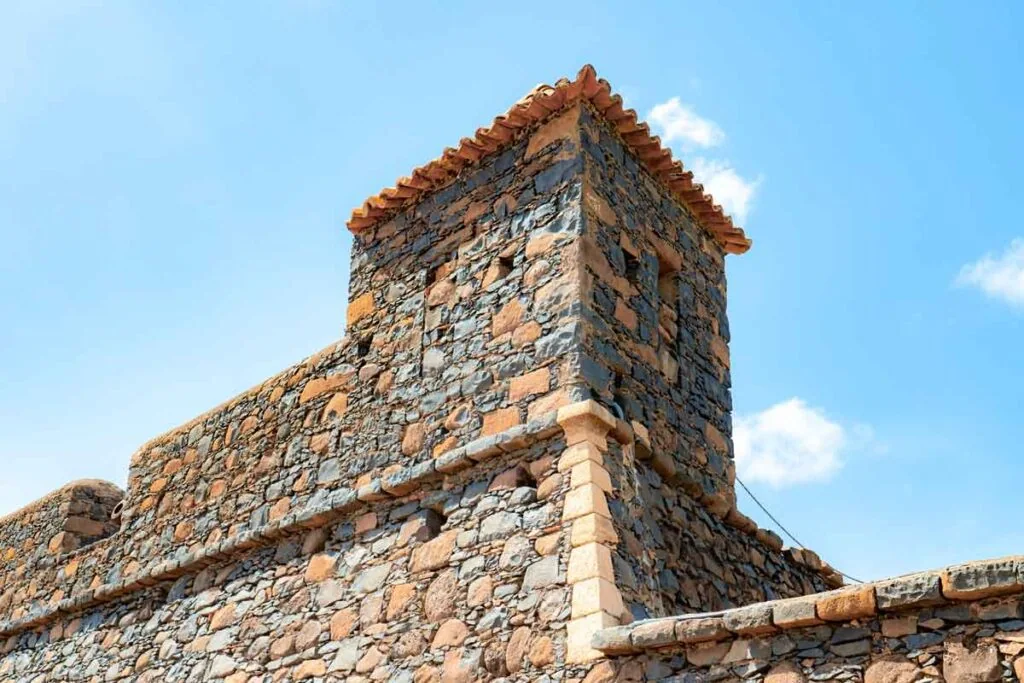
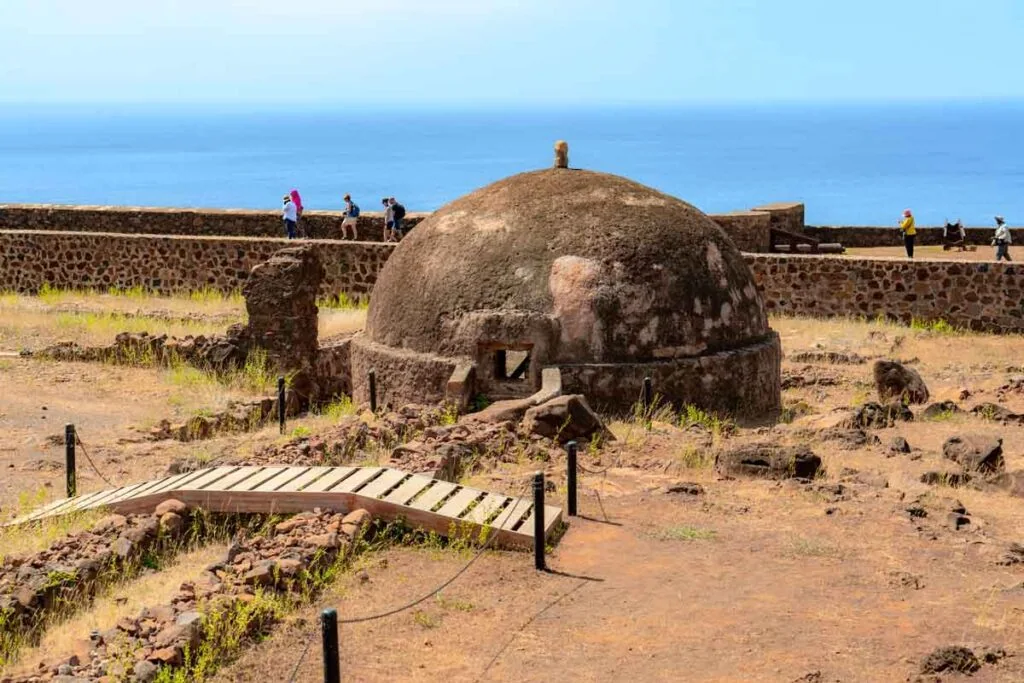
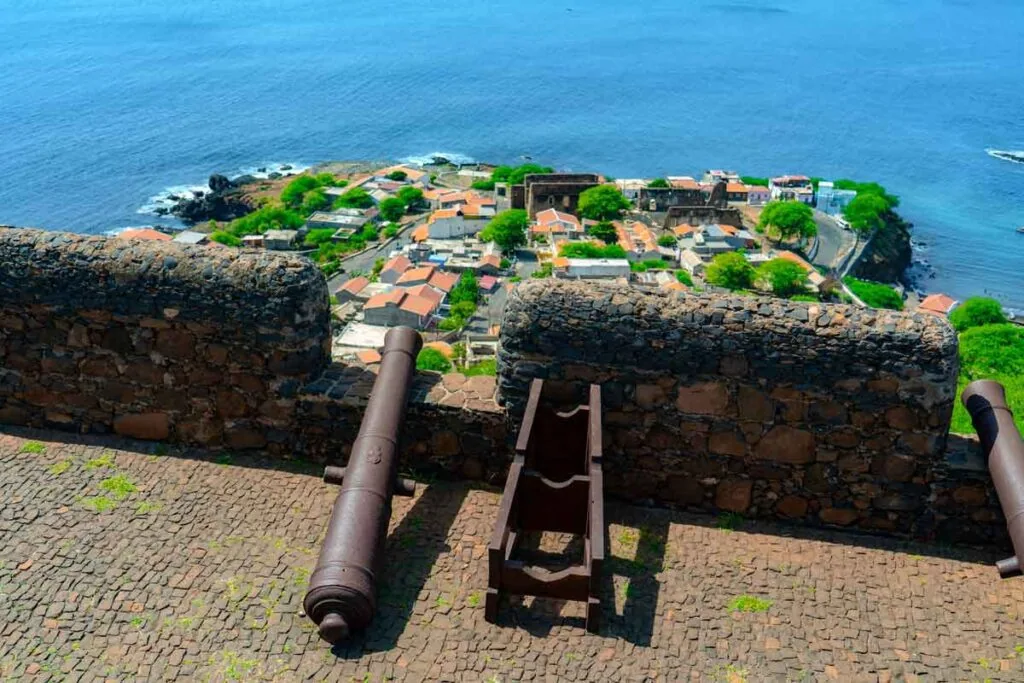
We continue to Cidade Velha, a UNESCO World Heritage Site. This is also home to the famous Banana Street, where the wealthiest colonial settlers once lived. All the houses here have thatched roofs.
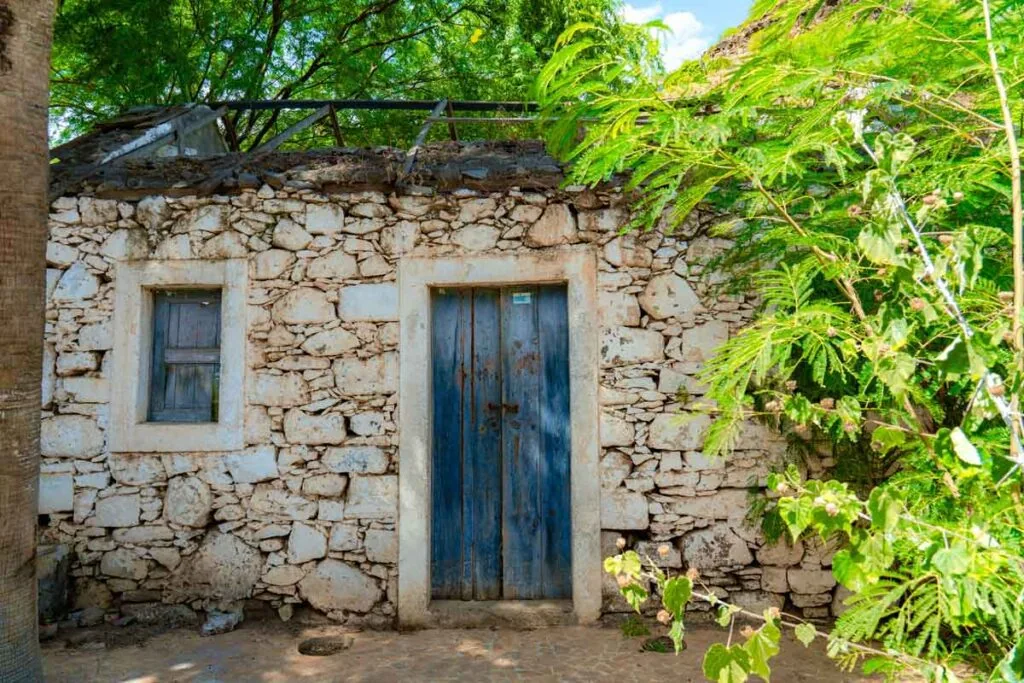
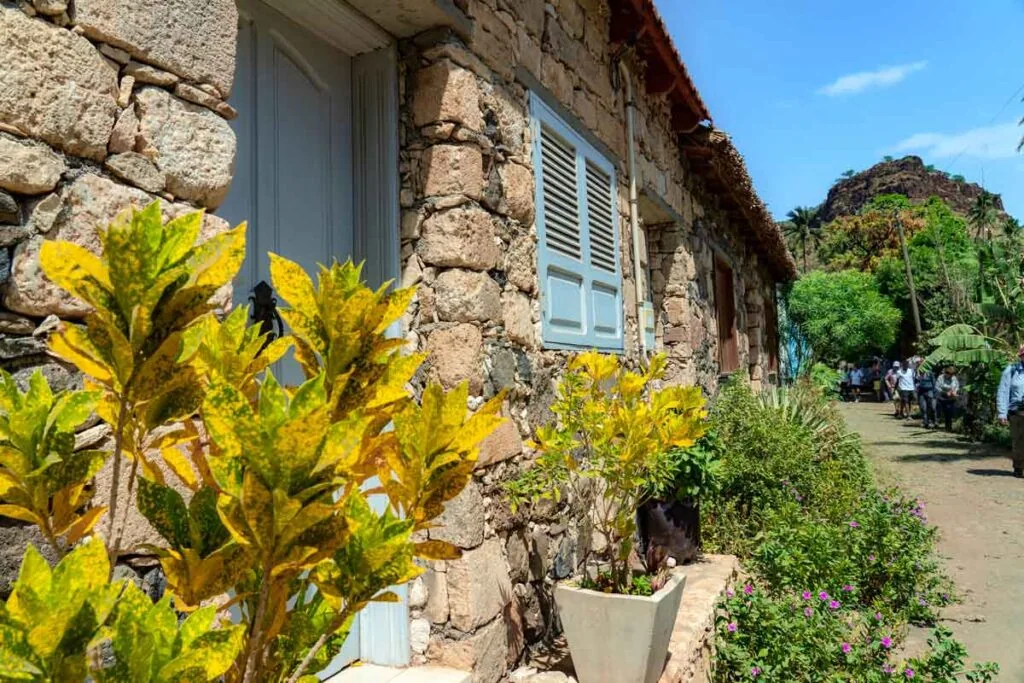
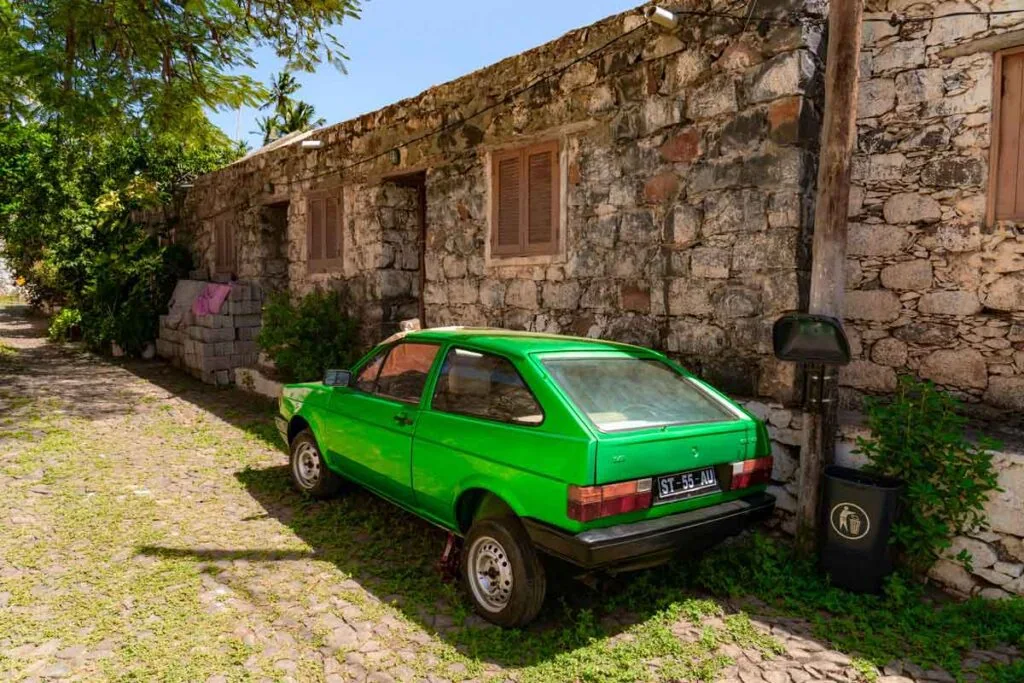
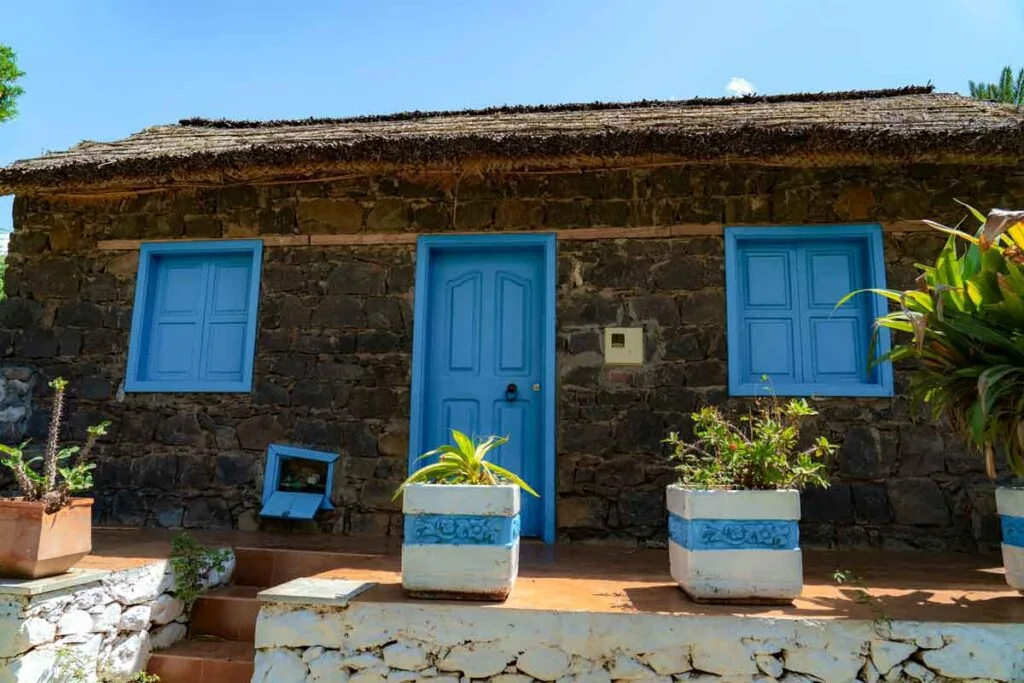
In the town centre, many inviting little cafés have sprung up around the old slave market. This one is in a side street off Banana Street.
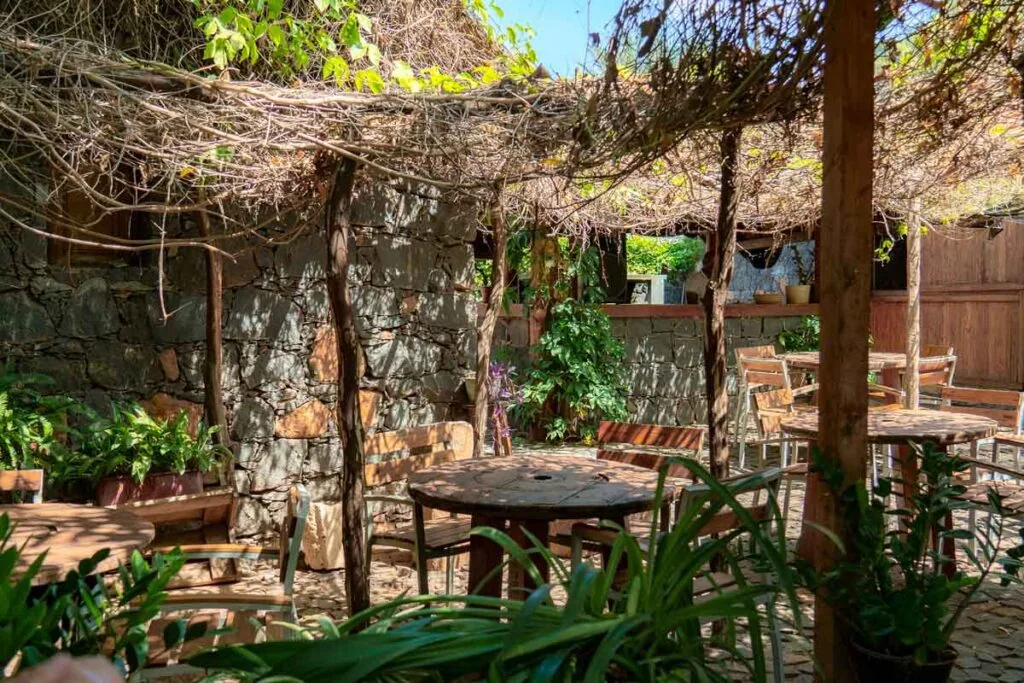
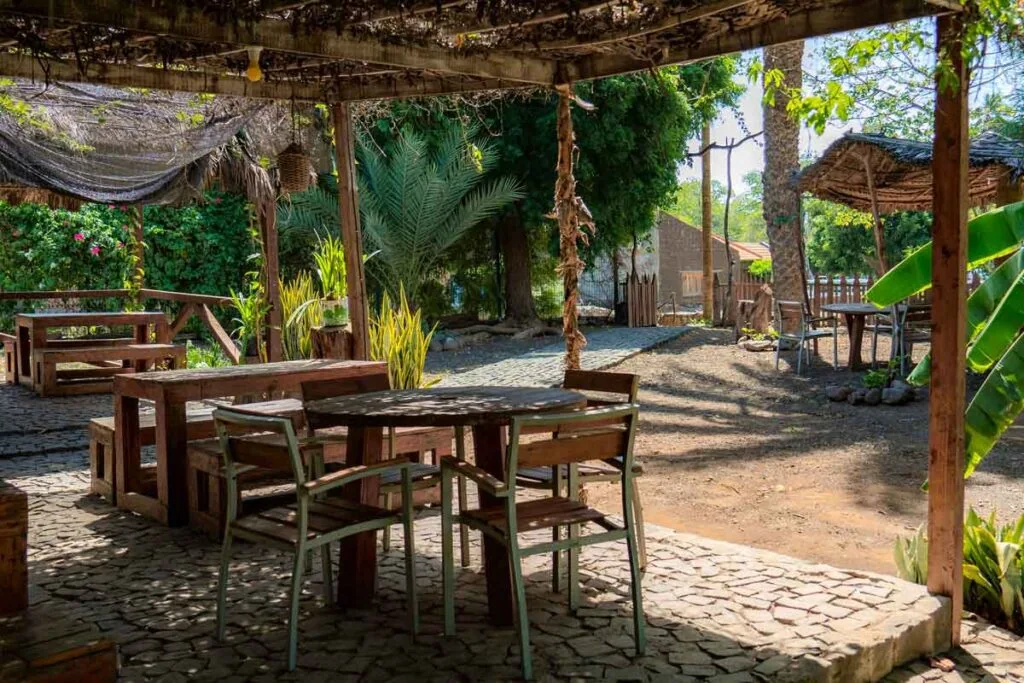
We now travel to the mountain hotel Quinta da Montanha, climbing more than 1,000 metres over 30 kilometres. Up here, the climate is completely different, with a temperature difference of more than ten degrees.
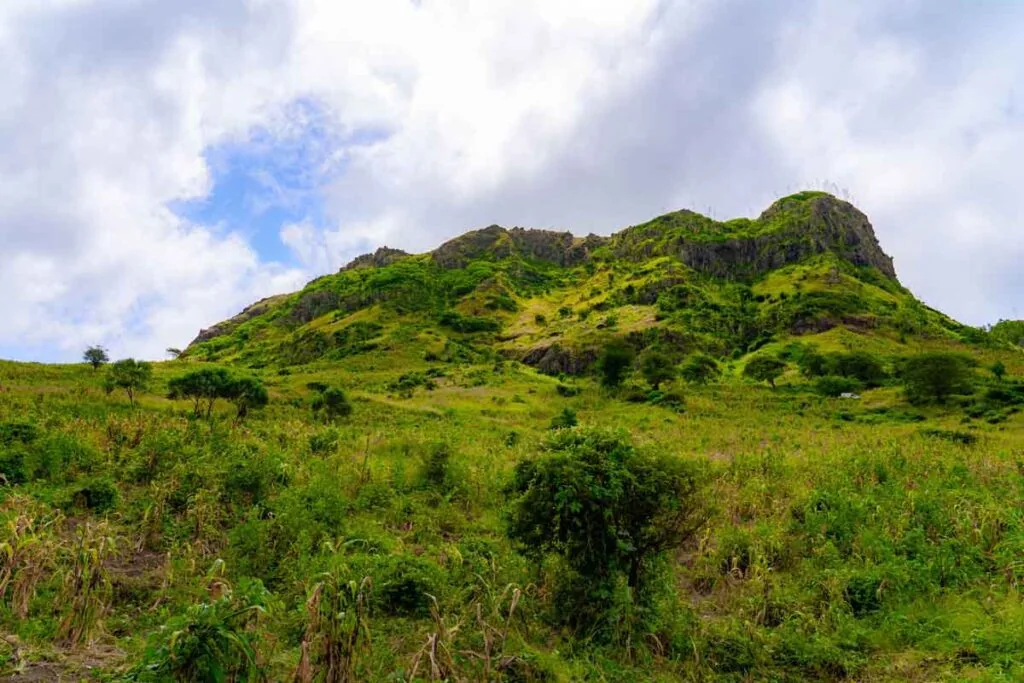
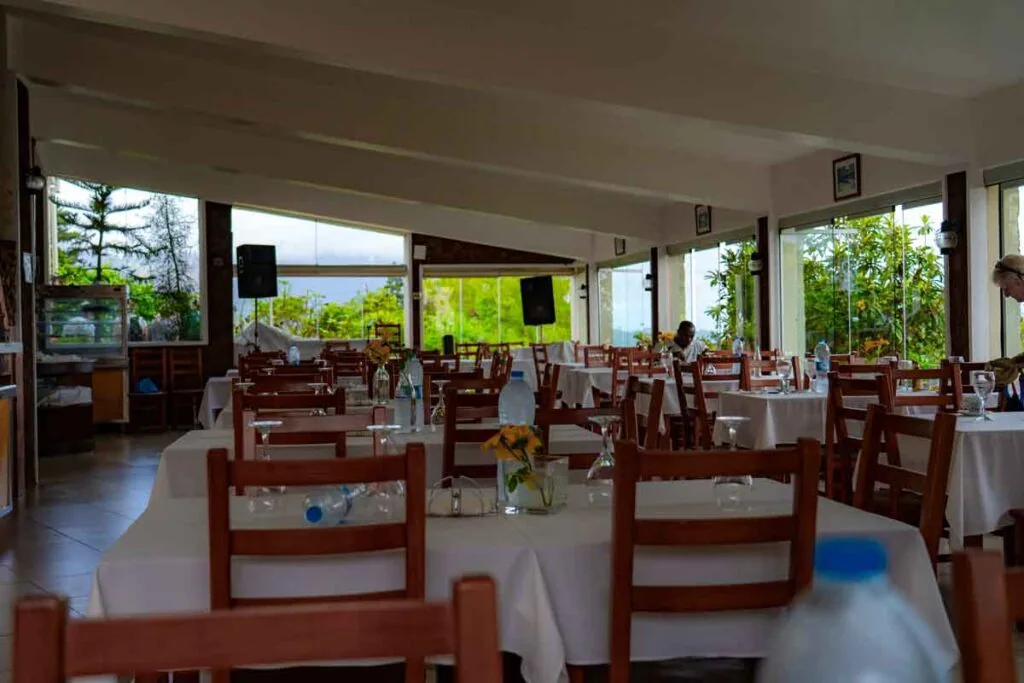
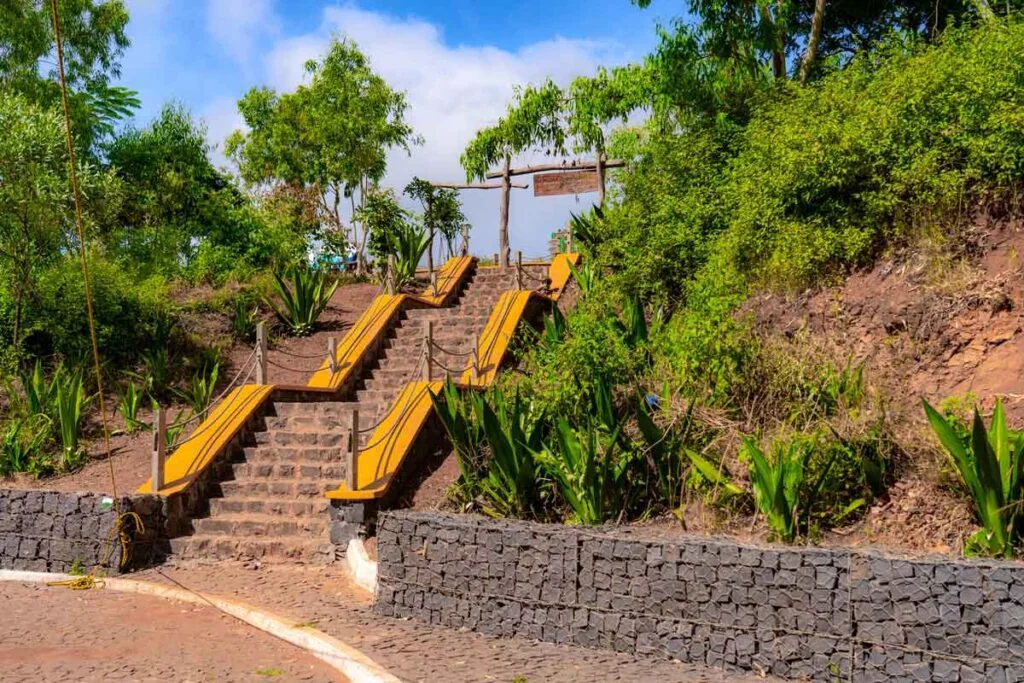
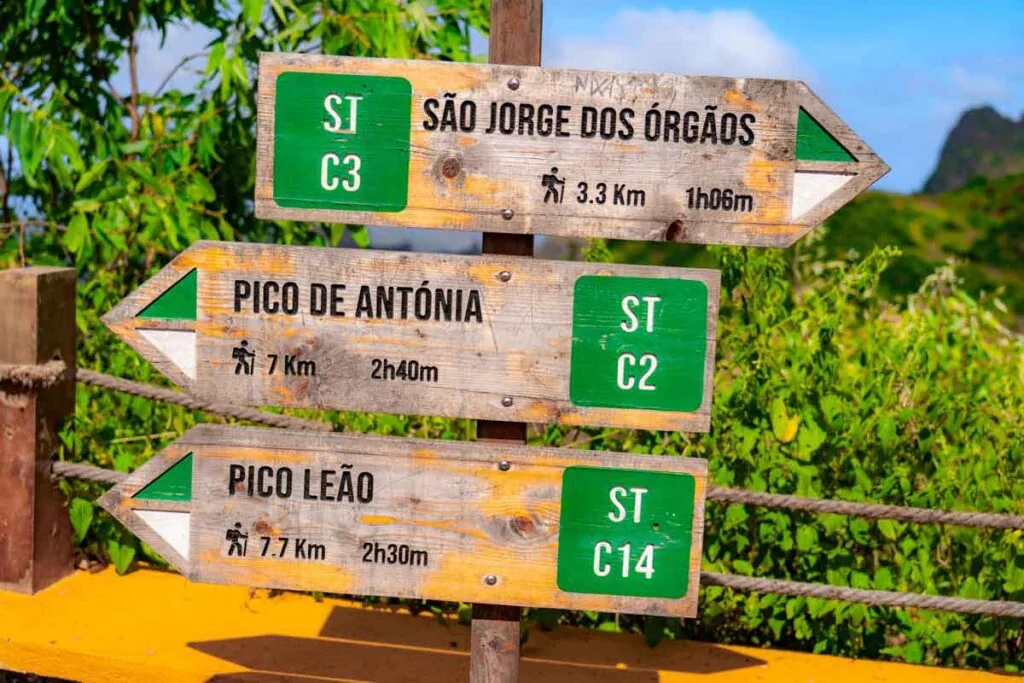
The Rui Vaz viewpoint is just a three-minute drive from the restaurant. Its green landscape invites you to go hiking, and to fly a drone.
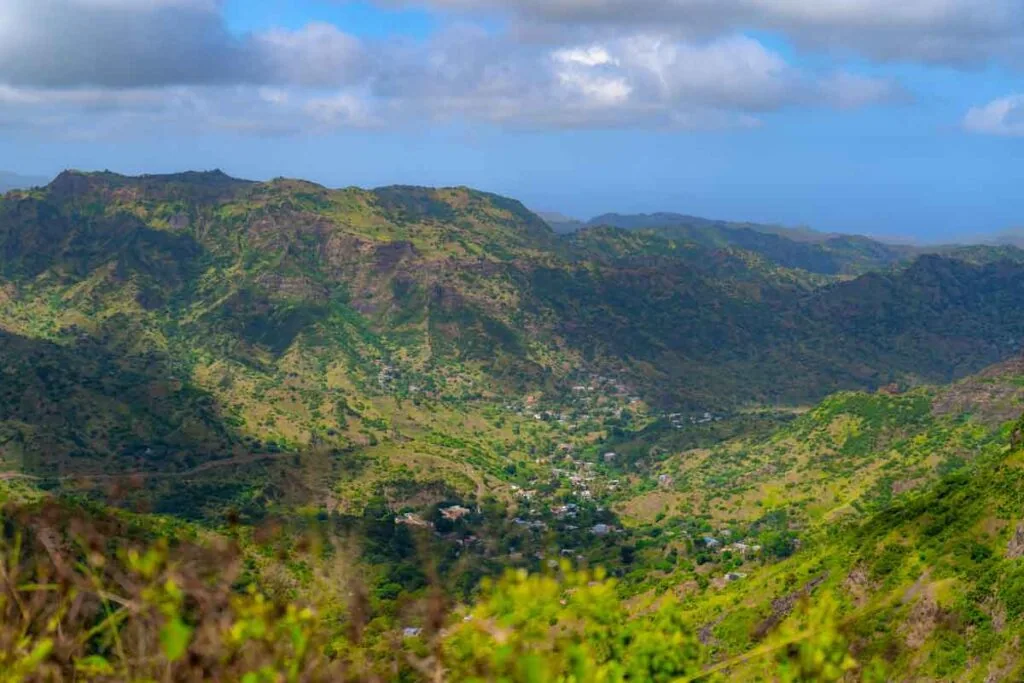
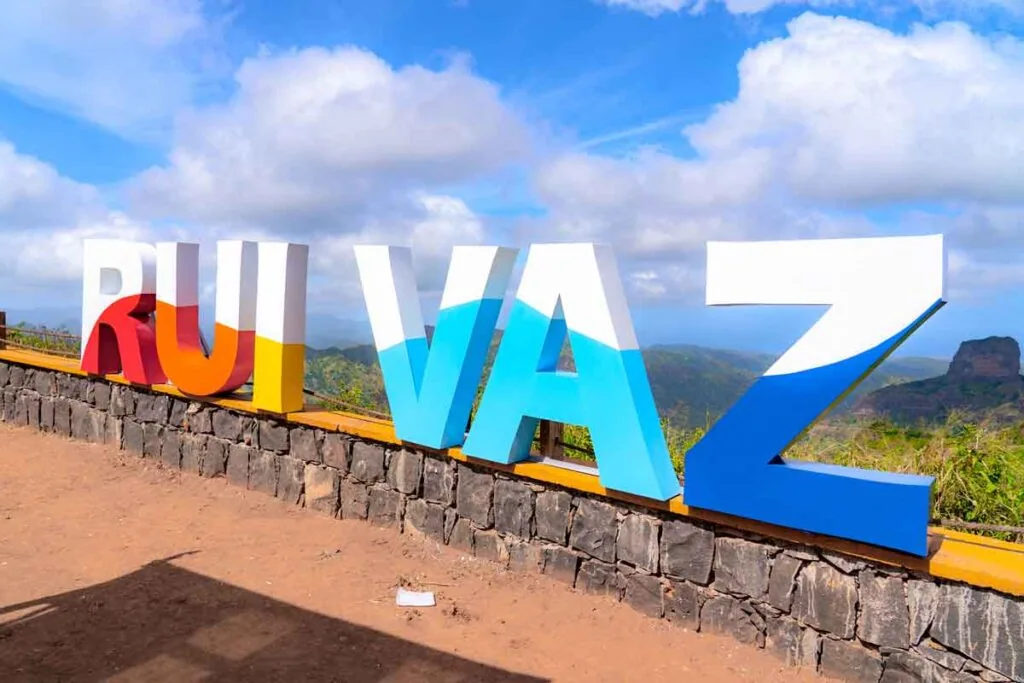
Unexpectedly, we make an unscheduled visit to the island's botanical garden. It mainly displays endemic plants, such as Campanula jacobaea, a bellflower that grows only here.
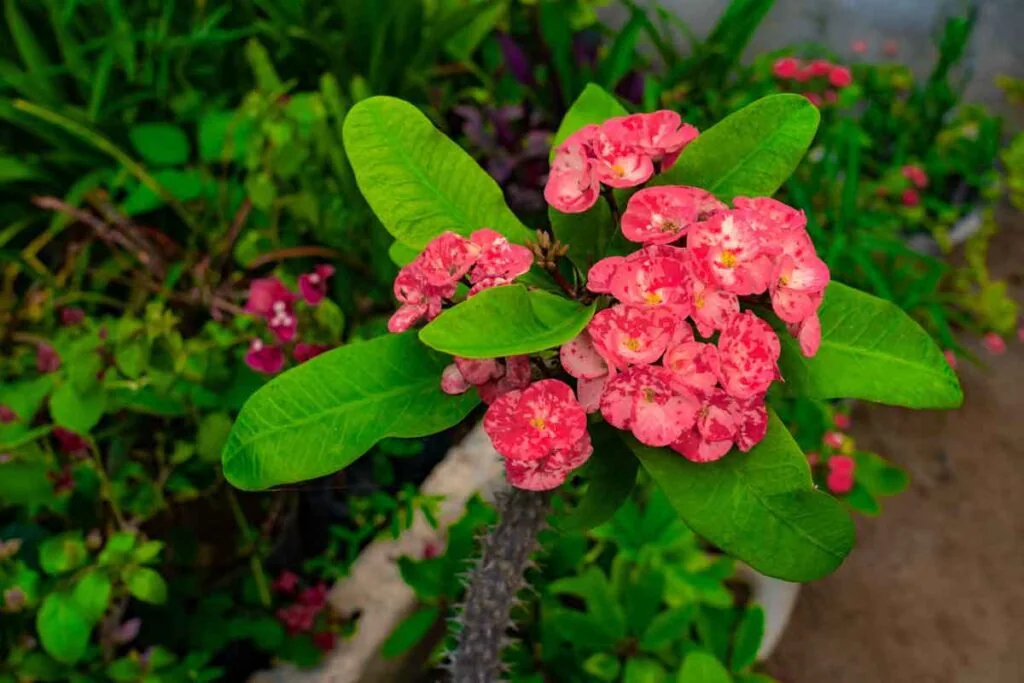
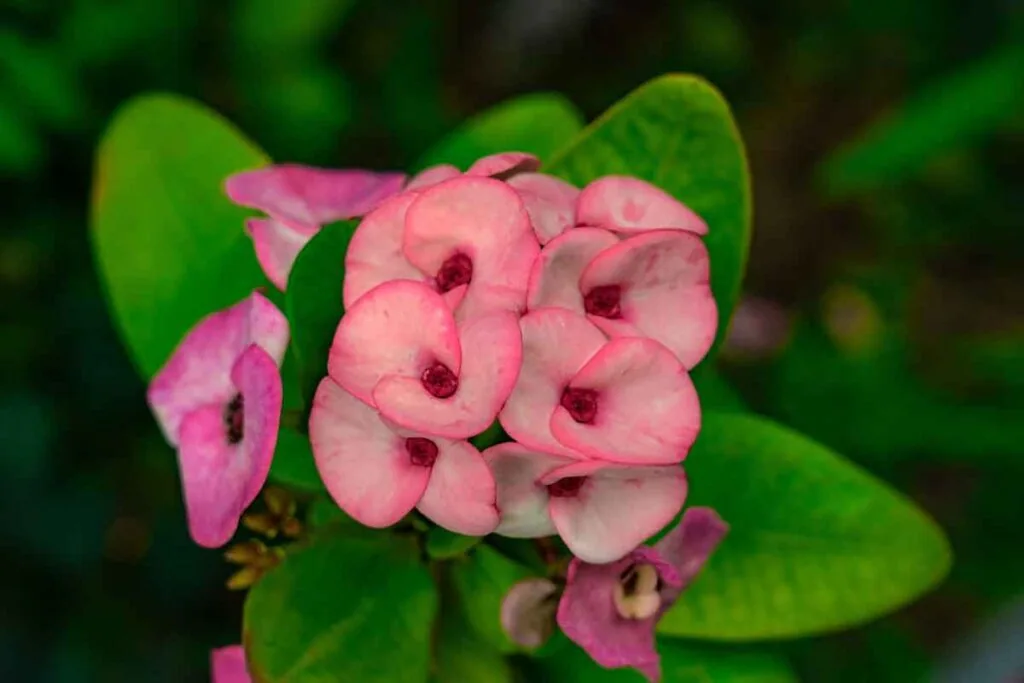
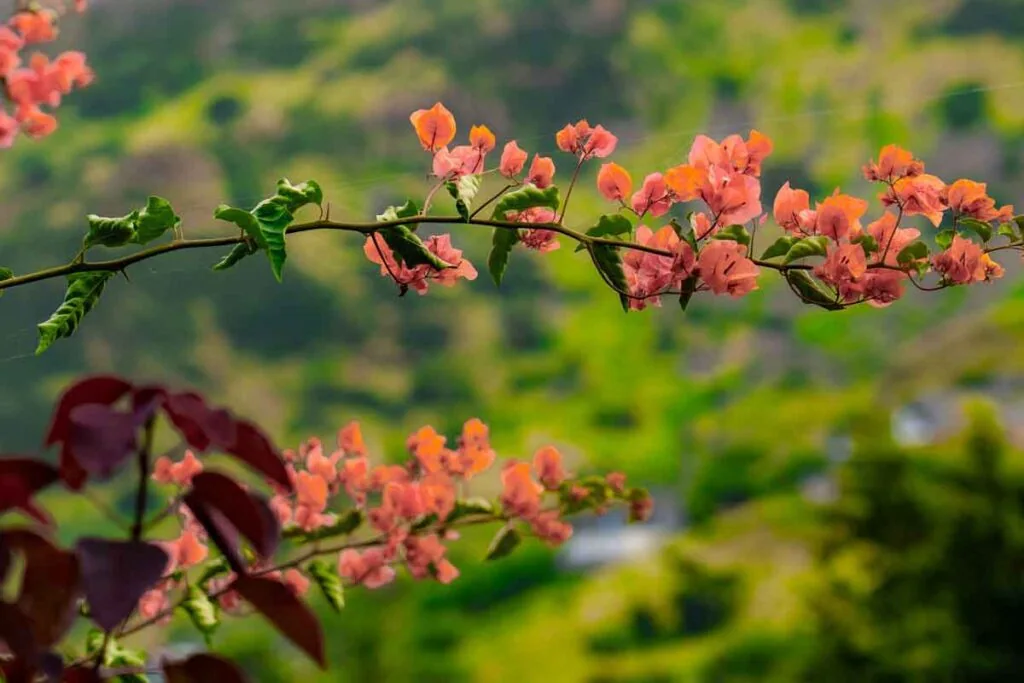
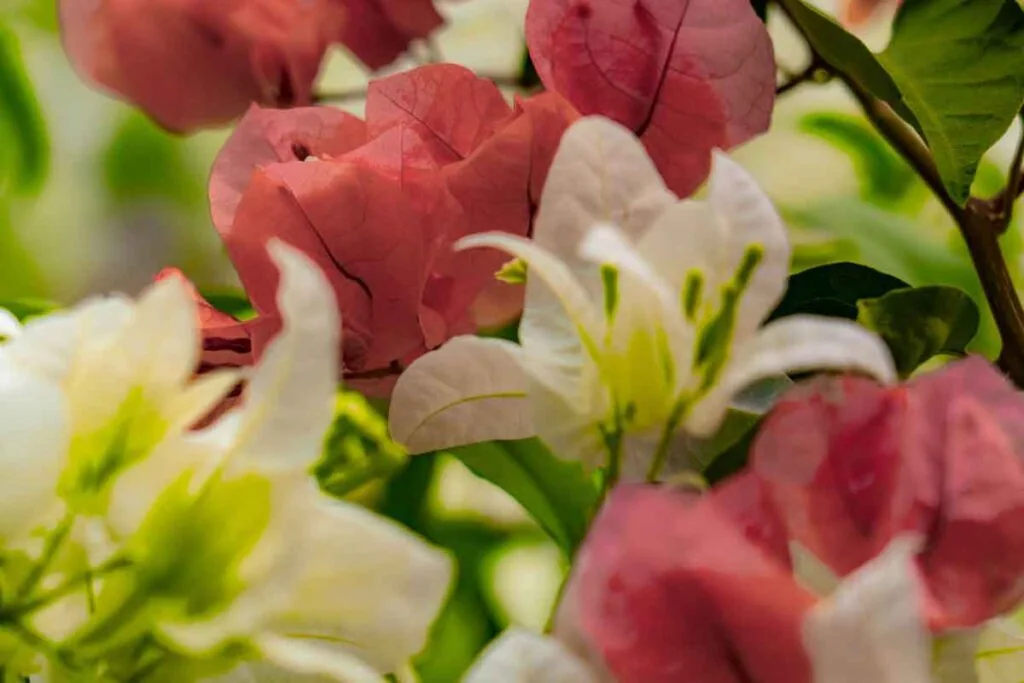
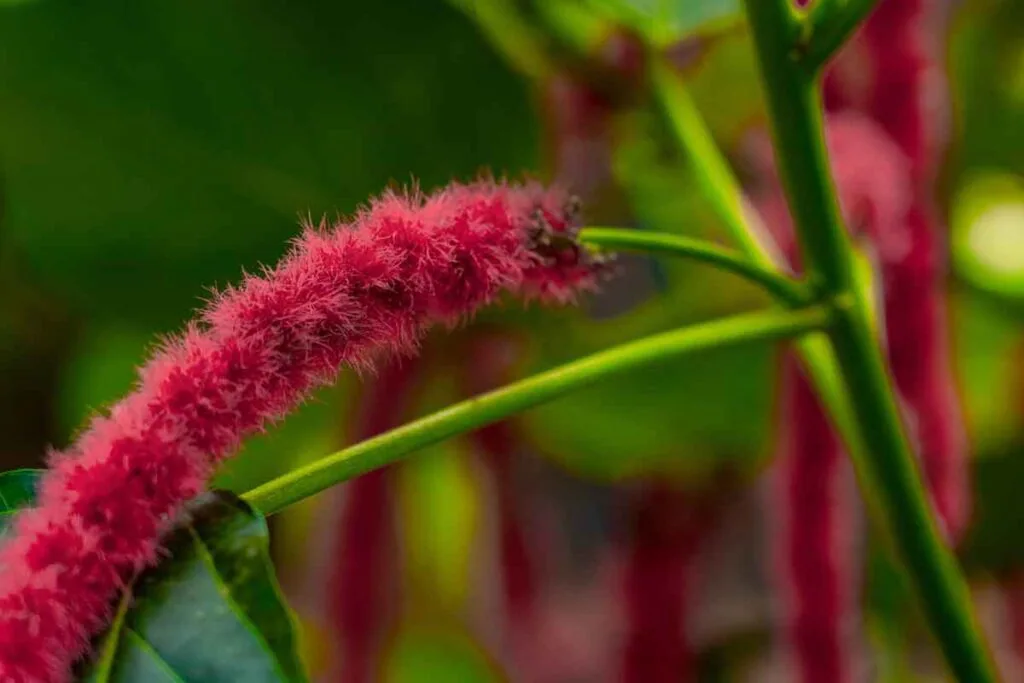
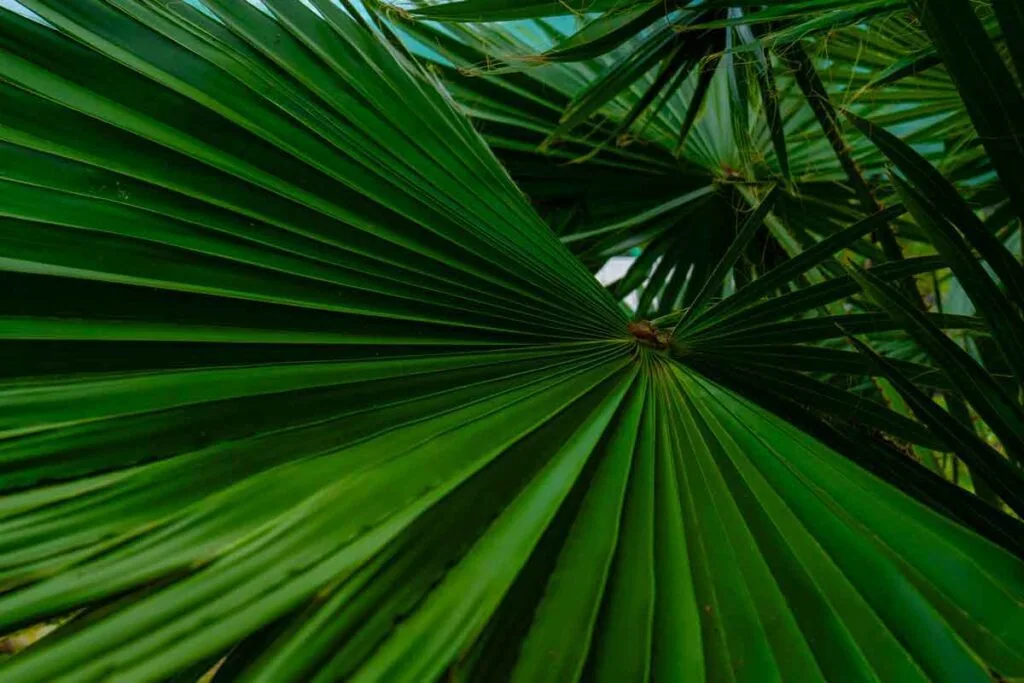
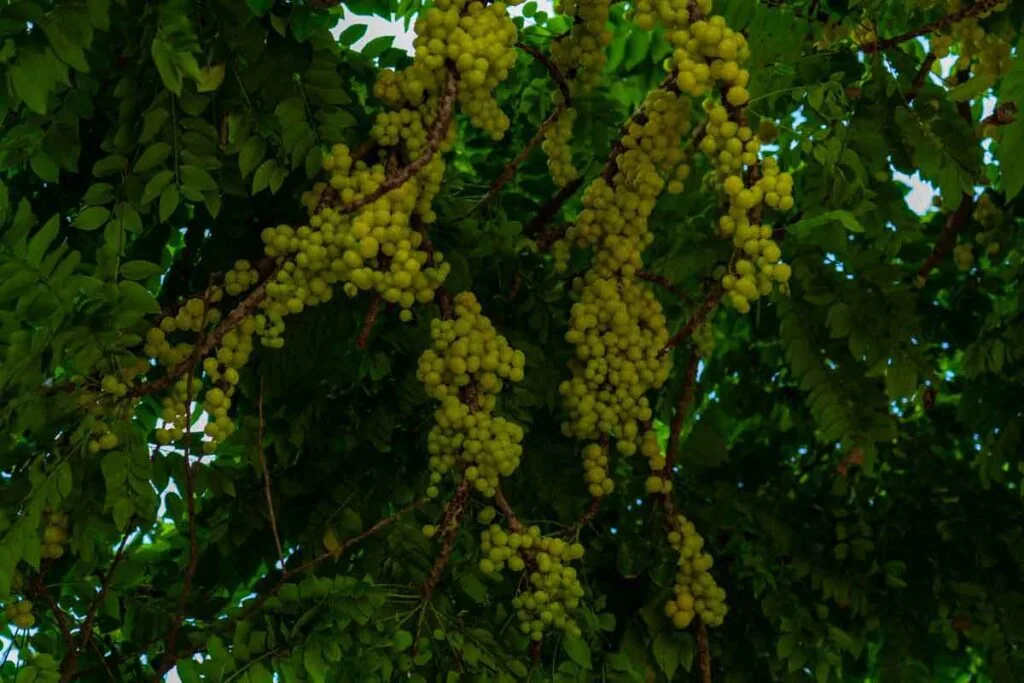
Our last official stop is the town of Assomada. Located inland, it is the island's main transport hub and trading centre. It is also home to Cape Verde's largest market.
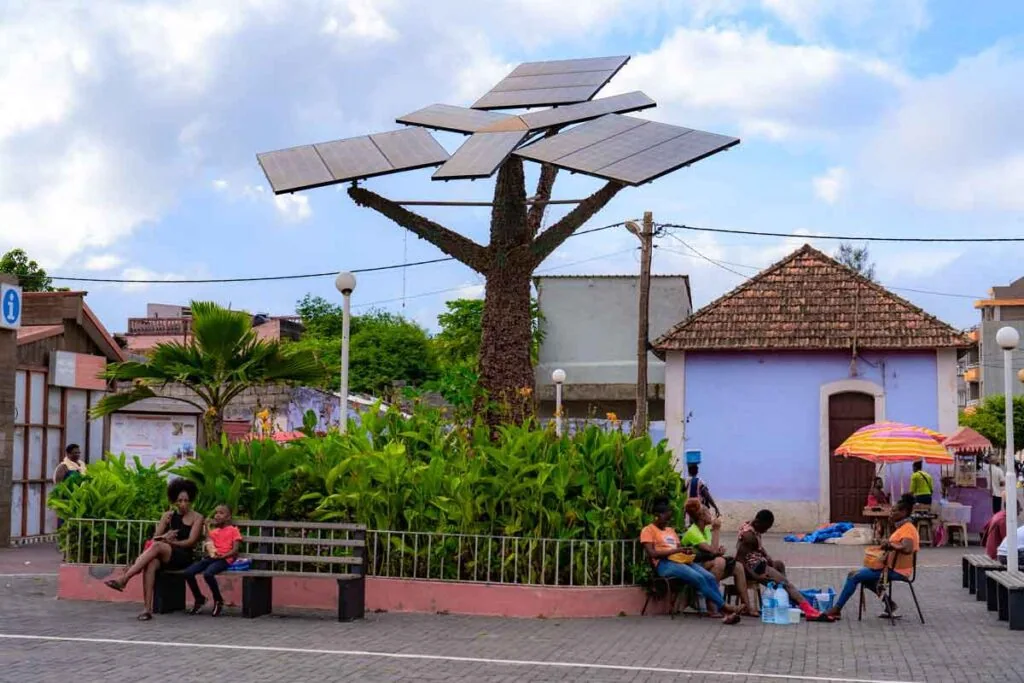
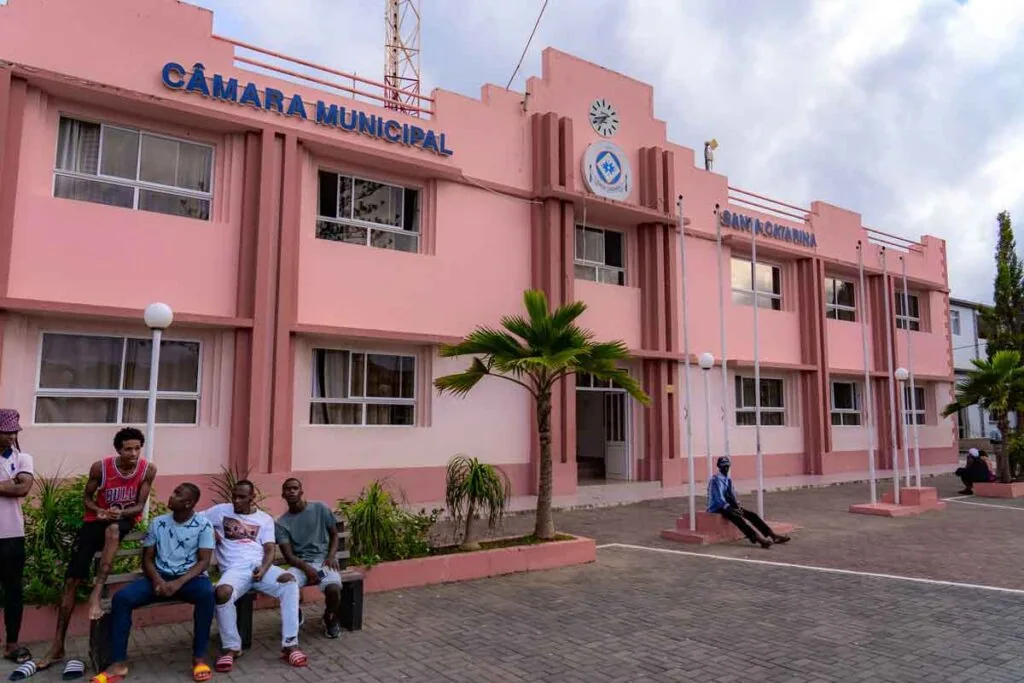
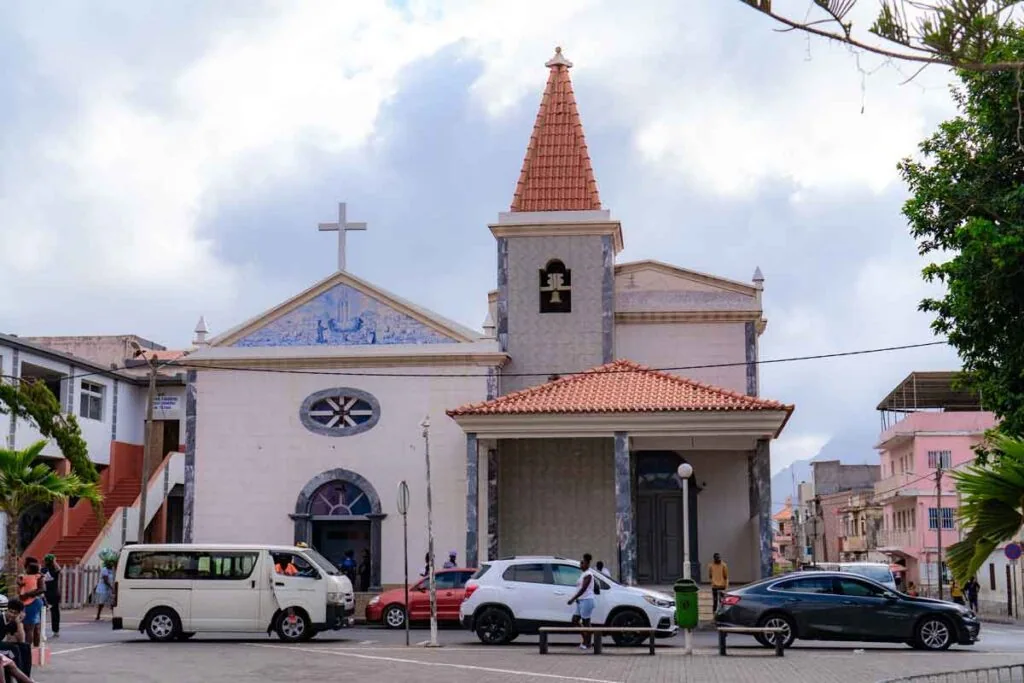
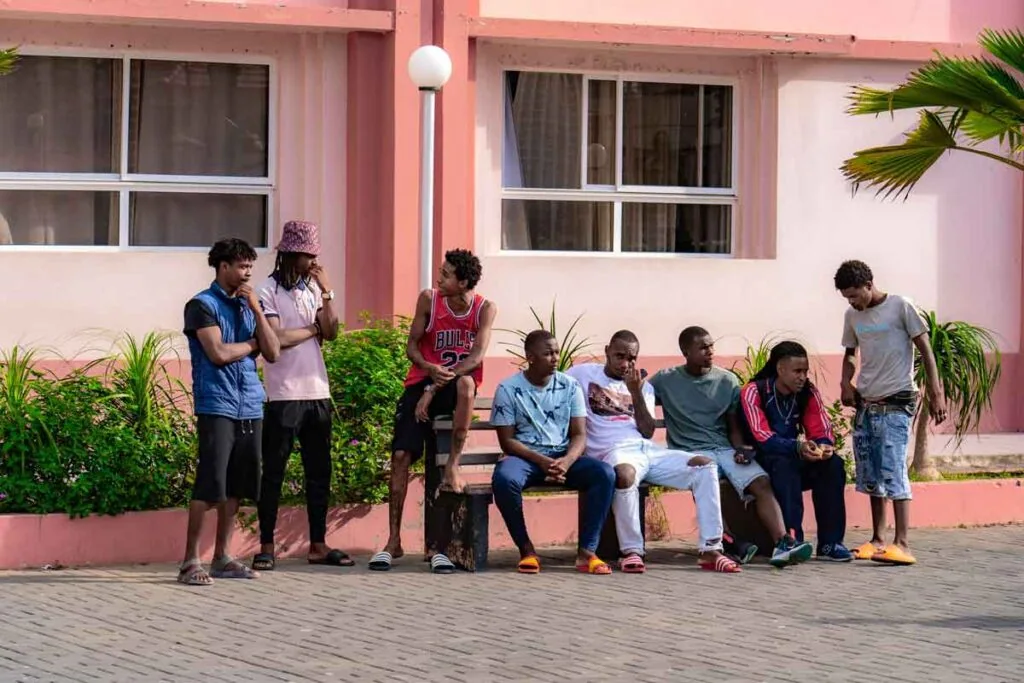
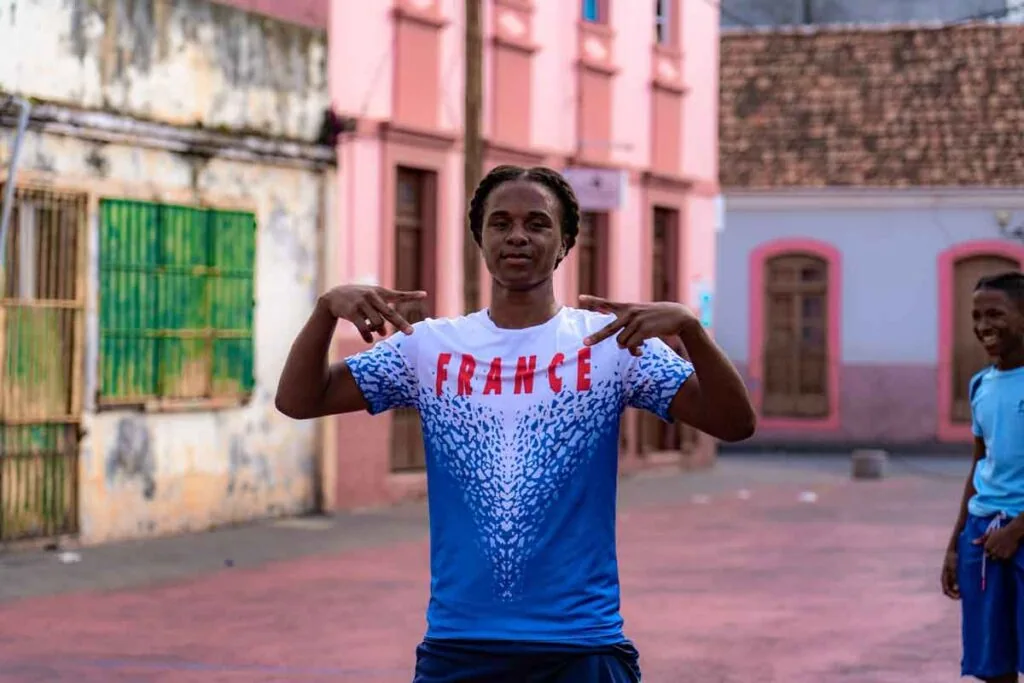
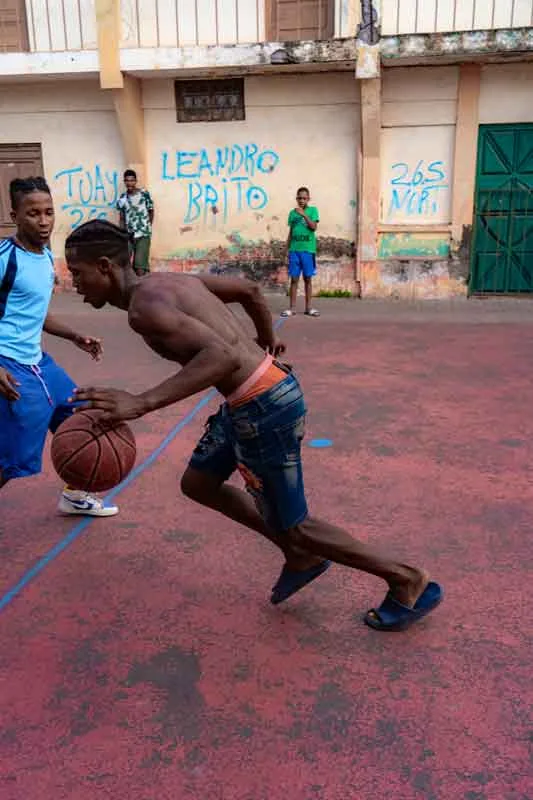
By chance, I find a basketball court down a side street. Many teenagers are playing at a high level. As soon as I appear with my camera, they show off their best tricks and happily pose for photographs. Of course, I send them the pictures afterwards.
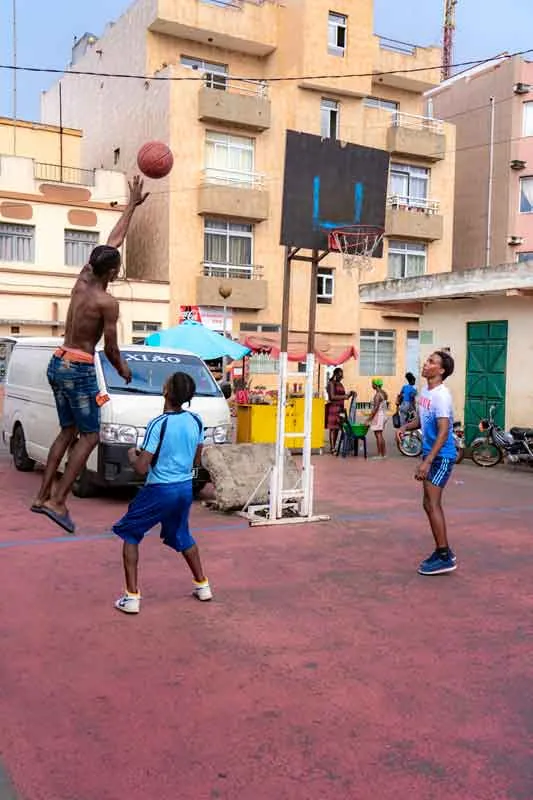
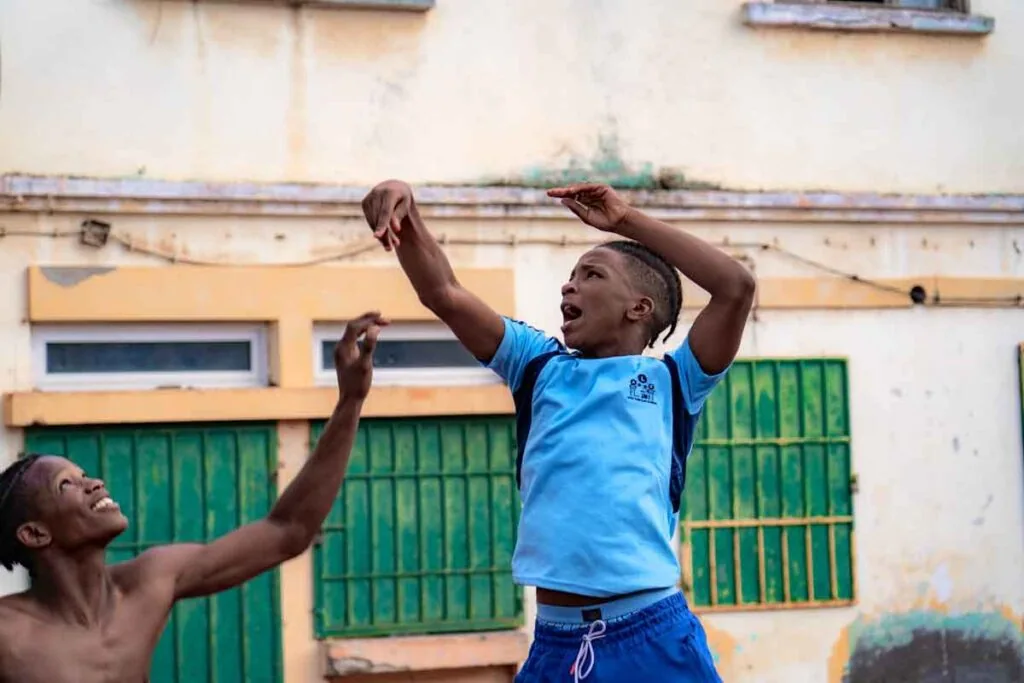
We are now on our way back to the ship. Through the bus window, I manage to take a few more photographs of a landscape that still looks untouched and idyllic in many places.
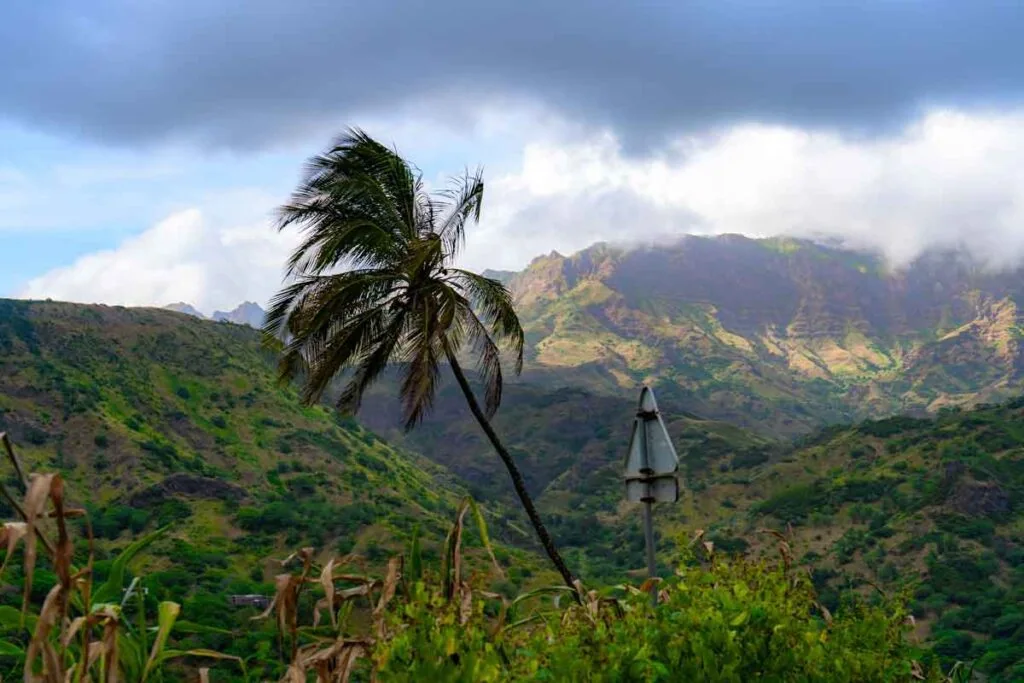
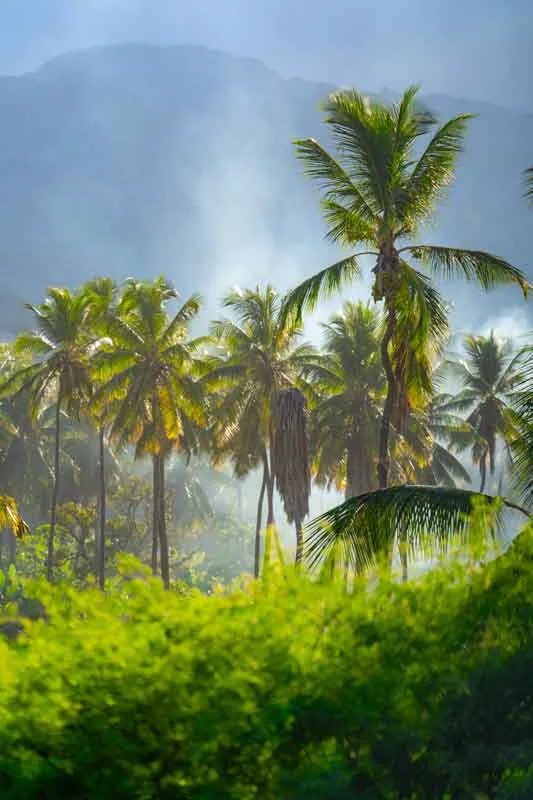
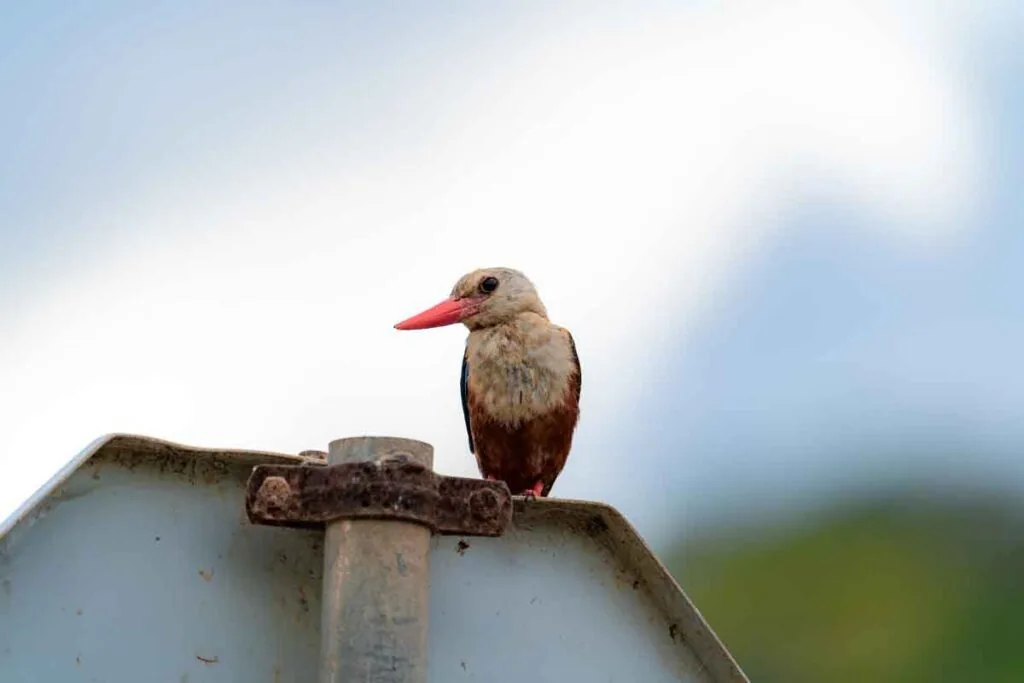
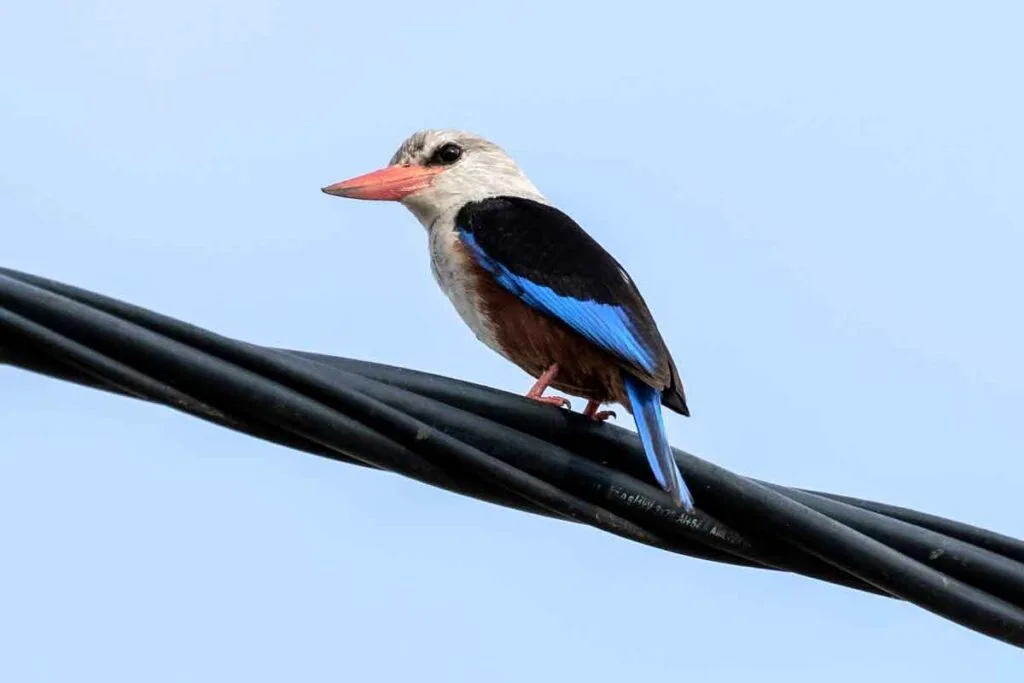
Finally, a highlight I have been waiting for all voyage: a grey-headed kingfisher. This bird belongs to the kingfisher family and is found only here in Cape Verde. I had searched for it, and of course tried to photograph it, throughout the trip without success. It makes for a fitting end to today's excursion.
And with that, my report on the Canary Islands and Cape Verde with Hapag-Lloyd Cruises and Hanseatic Spirit comes to an end. I hope you enjoyed the article, and I would be delighted to hear your feedback. It was also my first article of this kind, and I am sure there is still plenty to learn about writing style. Ahoy, and see you soon!